Reading the pattern
Direction, width, where a crack starts and where it stops are all information. Cracks that fan out from one corner of the house point somewhere very different from cracks spread evenly around it.
A crack is a symptom, and the useful question is what put it there and whether it is still opening. Pflugerville Foundation Repairs reads the crack pattern, measures the floor it sits above, and tells you whether the right answer is to fill it, to watch it, or to support the foundation under it first.
Width matters less than pattern and change. A hairline that has sat still for a decade is a different thing from a narrow crack that has grown since spring, and the same crack means one thing in drywall, another in brick and another in the concrete itself. Before anyone arrives, mark each end with a pencil, write the date beside it and photograph it. That record is worth more than any description over the phone.
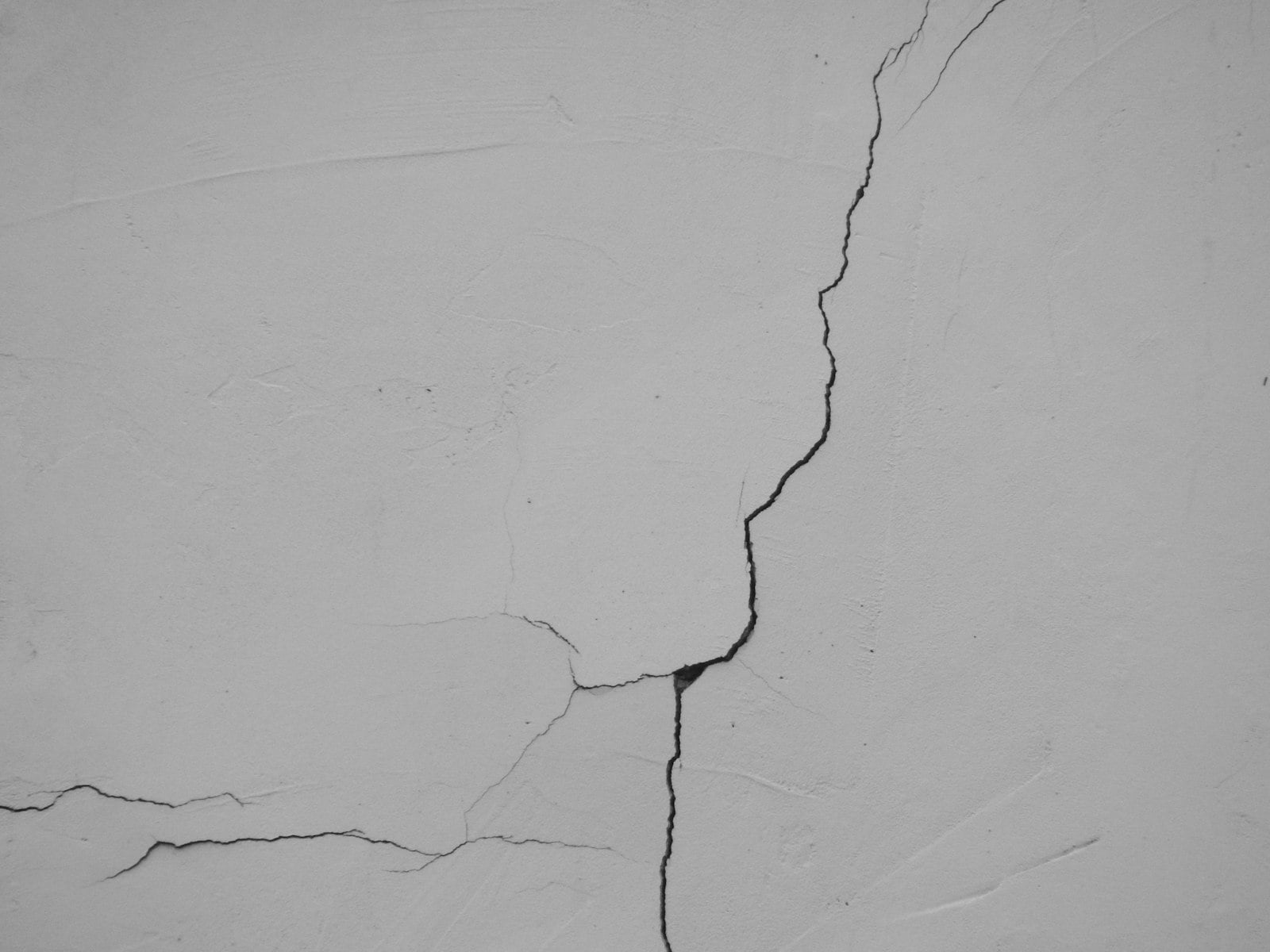
Filling a crack is the last step, not the first. Everything before it is about working out what the crack is reporting.
Direction, width, where a crack starts and where it stops are all information. Cracks that fan out from one corner of the house point somewhere very different from cracks spread evenly around it.
The crack is judged against what the floor measures. If the readings show one part of the house sitting low, the crack is a consequence and the foundation is the job.
Some cracks deserve a season of watching rather than a repair. Marking, measuring and re-checking after a dry summer and a wet winter answers the question that one visit cannot.
Used on structural concrete cracks that are stable. The resin bonds the two faces back together so the concrete carries load across the crack again, which also means it cannot flex there afterward.
A flexible fill used where the priority is closing a water path and where slight seasonal movement is expected. It seals rather than bonds, and it tolerates a crack that still breathes a little.
Drywall, mortar joints, tile and paint are put right after the structure has settled into its new position, not before. Done in the wrong order, the same repair gets paid for twice.
There are really three outcomes. The crack is cosmetic and gets filled and painted. The crack is stable but lets water through, so it is injected and the drainage around that wall is corrected. Or the readings show the foundation is still dropping under it, in which case injecting the crack achieves nothing until the support underneath is fixed.
On Blackland clay the third case is common enough to be worth ruling out properly. Soil that swells after a wet winter and shrinks in a drought summer moves the edge of a slab, and the cracks that appear, close and reopen on that rhythm are the ones homeowners patch over and over. Steadying the moisture around the house with drainage correction and root barriers often does more for those cracks than any filler.
If support is what is needed, see how slab repair works and compare pressed concrete and steel piers before approving anything. If you are not sure yet, a foundation inspection with floor readings is the place to start, our guide to which cracks matter explains what to look for in the meantime, and there are local notes for Round Rock and the other towns we cover.
The length and number of cracks, whether they are being injected or simply filled, and above all whether any structural work is needed first. Injection on a stable wall is a small job; the same crack over a corner that has dropped is part of a much larger one. Pflugerville Foundation Repairs measures before quoting so the price reflects the actual cause, and you get the quote in writing whether or not you proceed.
The ones that are changing. A crack wider at one end, edges that have shifted out of plane, stair-step cracking through brick mortar and cracks that keep returning after patching all deserve a proper look. Fine hairlines above a door frame in a newer house are usually the concrete and the drywall doing what they always do. The way to tell them apart is elevation readings, not crack width. See which cracks matter.
You can fill a cosmetic drywall crack safely enough, and nothing about that is dangerous. The risk is not the filler, it is the false reassurance: a crack that is hidden stops telling you what the house is doing. If you patch, note the date and check the same spot after the next dry summer. If it comes back, have the floor measured rather than patching again.
It can, if the reason it appeared has not been dealt with. No repair stops clay soil moving, and Pflugerville Foundation Repairs will not tell you otherwise. What a properly planned job does is remove the cause of that particular movement and steady the moisture around the house, which is why drainage and watering advice usually come with the repair. Ask any contractor what their warranty covers, for how long and what voids it, and expect the answer to be on the quote.
Tell us what the house is doing and we will plan the right inspection.