A report from under the house
Clearance, pad condition, beam bearing, joist span, moisture and any previous repairs are written down with photographs, so you see the same thing the quote is based on.
The crawl space under an older house is doing a great deal of work: pads, piers, beams, joists and the bare ground they all stand on. Pflugerville Foundation Repairs goes under, reports what is actually down there, and treats the structural repair and the water problem that caused it as one job.
Crawl space problems build quietly, and most people live with a springy floor for years before something forces the issue. The advantage of a crawl space is that the cause is usually visible: a settled pad, a beam that has lost its bearing, a sill that has been damp for a decade because water drains under the house. Nobody has to guess.
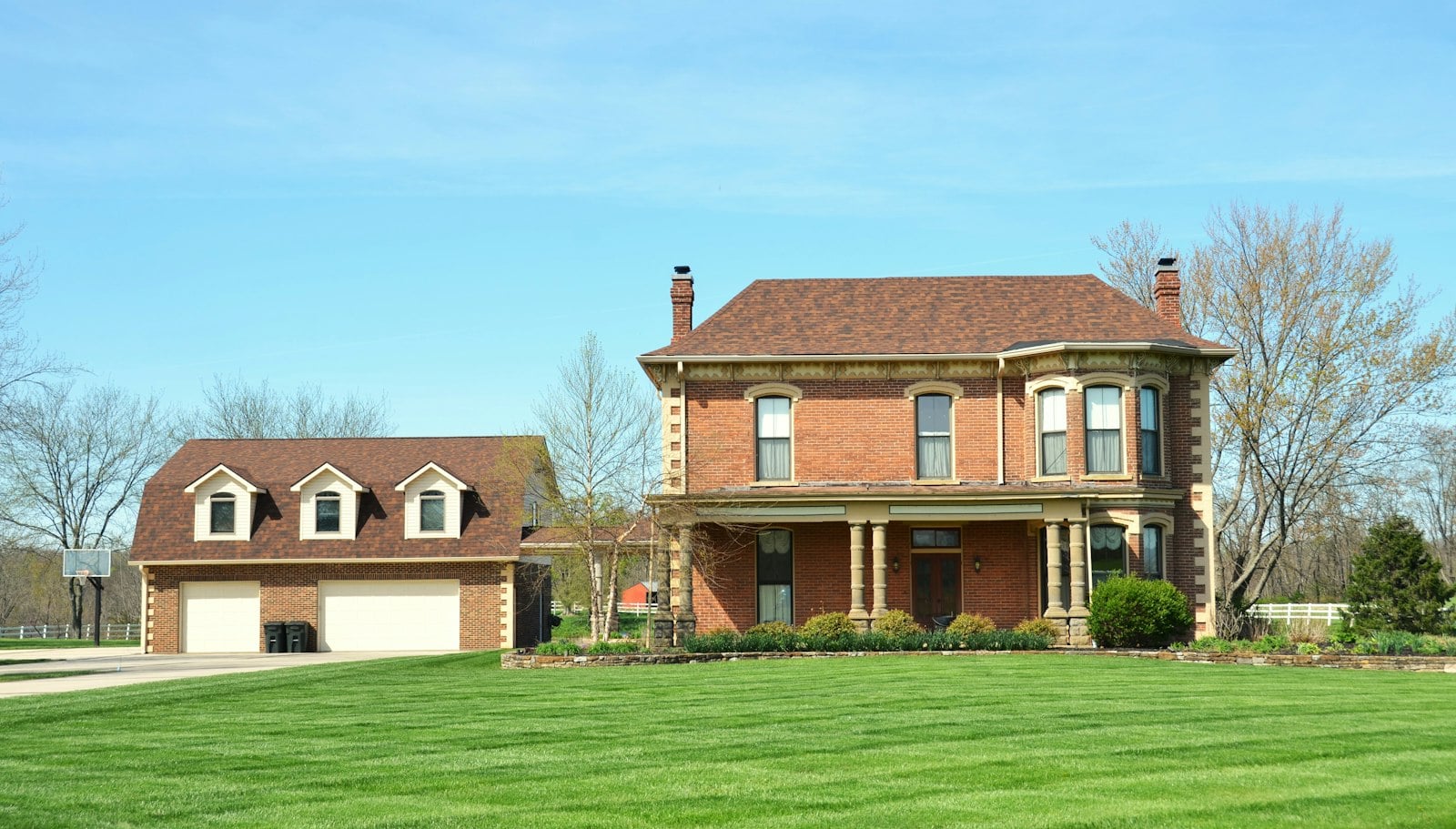
The order matters. Wood is repaired, support is corrected, then the ground and the drainage are dealt with so the new work lasts longer than the old work did.
Clearance, pad condition, beam bearing, joist span, moisture and any previous repairs are written down with photographs, so you see the same thing the quote is based on.
Settled interior supports are shimmed or rebuilt on new concrete pads sized for the load they carry, rather than propped on whatever was stacked there before.
Split or rotted members are sistered or replaced. Wood that has been wet for years does not dry back into a structural member, and boxing it in only delays the same call.
Bare dirt releases moisture into the crawl space all summer. A sheet barrier across the ground is one of the cheapest things that measurably changes conditions down there.
Grading, downspout runs and a drain line keep rain from running under the house in the first place. Without that step, the new wood ends up like the old wood.
Blocked vents, buried skirting and debris piled against the beams all keep a crawl space damp. Clearing them is unglamorous and it is often half the fix.
Most houses fall into one of two groups. Either a few supports under one room have settled, which is a contained job that can be done in a day or two, or the whole structure has never been touched and several spans are sagging at once. In the second case it is better planned as a single lift so the floors end up in the same plane instead of being chased one room at a time.
Additions complicate things. A slab room built onto a house with a crawl space behaves differently from the original structure, and the joint between them is where cracks show up first. Where that is the case, both systems are assessed and slab repair may belong in the same plan. Where new support piers are going in under the perimeter, the comparison of pressed concrete and steel piers explains what you are being quoted.
The structural side of the same work is covered on our pier and beam repair page, the lifting side on foundation leveling, and the water side on drainage and root barriers. If you do not yet know how far it has gone, start with a foundation inspection. Older housing stock is common in Taylor, and there are local notes for Cedar Park and every other town we cover.
How many supports need work, how much timber has to be replaced, and how much room there is to work in. A crawl space you can move around in costs far less in labor than one with a tight hatch and knee-height clearance. Pflugerville Foundation Repairs reports what is under the house before quoting, so the figure reflects the real condition rather than a rate per pier.
In this soil it is usually worth it. Bare clay gives off moisture continuously, and that moisture ends up in the joists, the insulation and the air inside the house. A barrier over the ground is inexpensive next to replacing wood, and it works best alongside the grading and downspout work described on our drainage page.
No. The load sitting on those beams is easy to underestimate, a bottle jack on soft clay can kick out sideways, and lifting one point quickly is how plaster, tile and door frames get destroyed. Recording the problem is safe. Lifting is not. Keep a note of which rooms have changed and call Pflugerville Foundation Repairs instead.
Both approaches are used in Texas and the right one depends on the house, the drainage and what is already there. What is never right is a crawl space that is closed up while water still runs under it. Fix the water first, then decide. Pflugerville Foundation Repairs will tell you what condition yours is in and what the options cost before you commit to either.
Tell us what the house is doing and we will plan the right inspection.