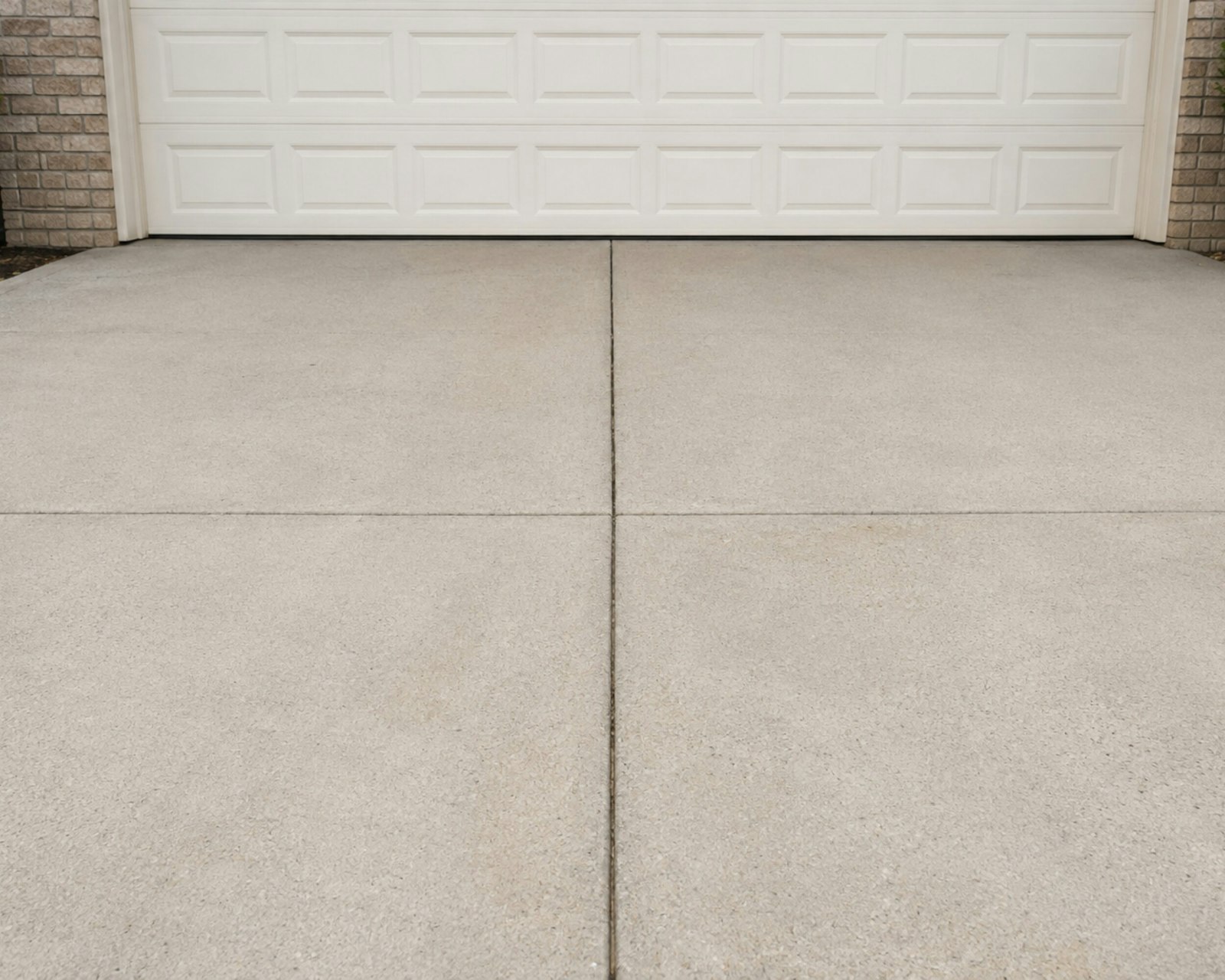
Slab Foundation Repair
Almost every Round Rock subdivision built since the 1990s is slab-on-grade, and the perimeter is where movement usually shows first.
Slab Foundation RepairRound Rock spread out across the line where Blackland Prairie clay to the east gives way to limestone closer to the hills, and most of its houses went up on slabs between the 1990s and the 2010s. That combination means two houses a few miles apart can move for completely different reasons. Pflugerville Foundation Repairs measures before saying which yours is.
Almost every Round Rock subdivision built since the 1990s is slab-on-grade, and the perimeter is where movement usually shows first.
Slab Foundation Repair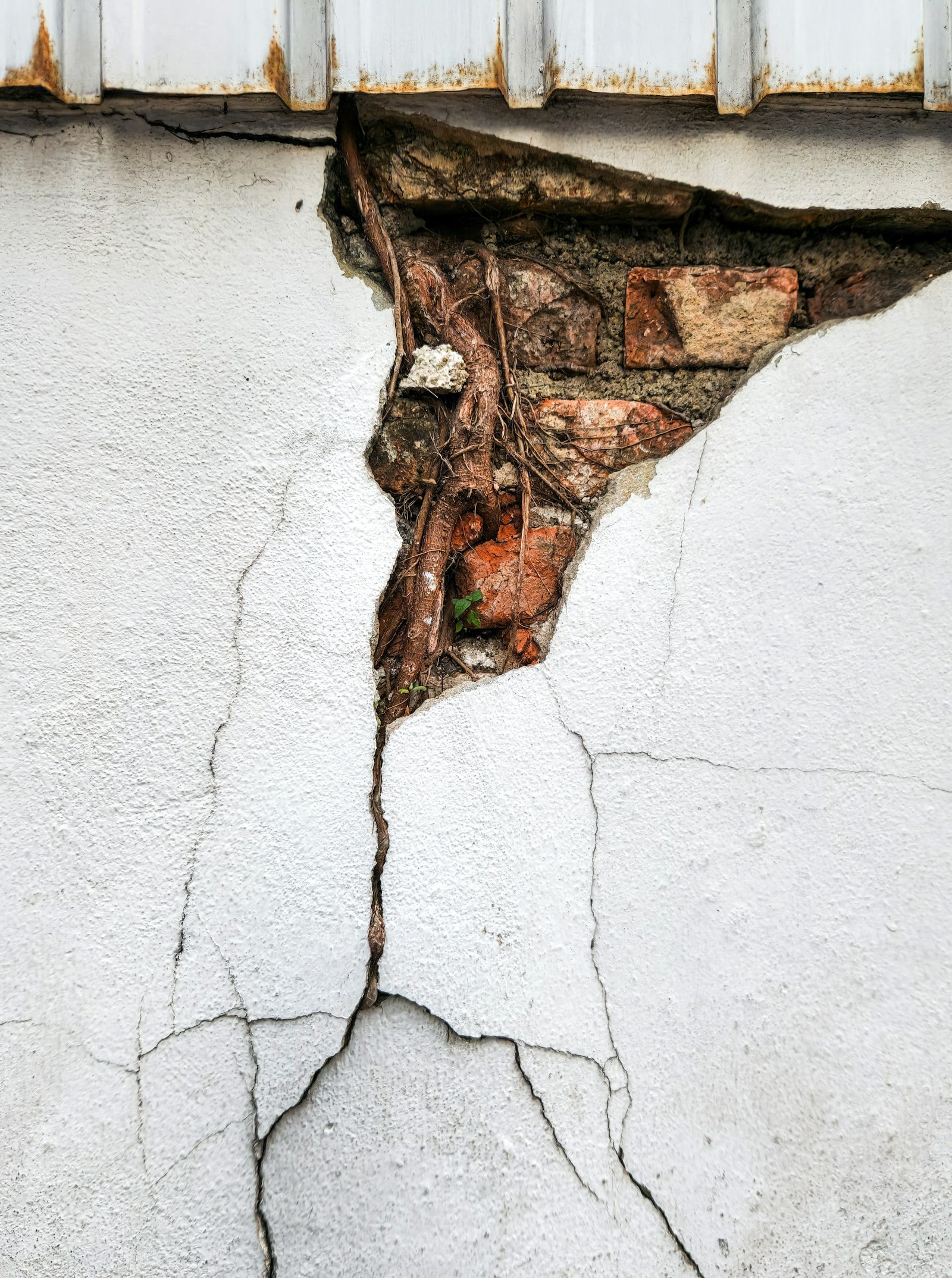
Brick and drywall cracks in a thirty-year-old house need reading before they get filled. Some are finished moving and some are not.
Foundation Crack Repair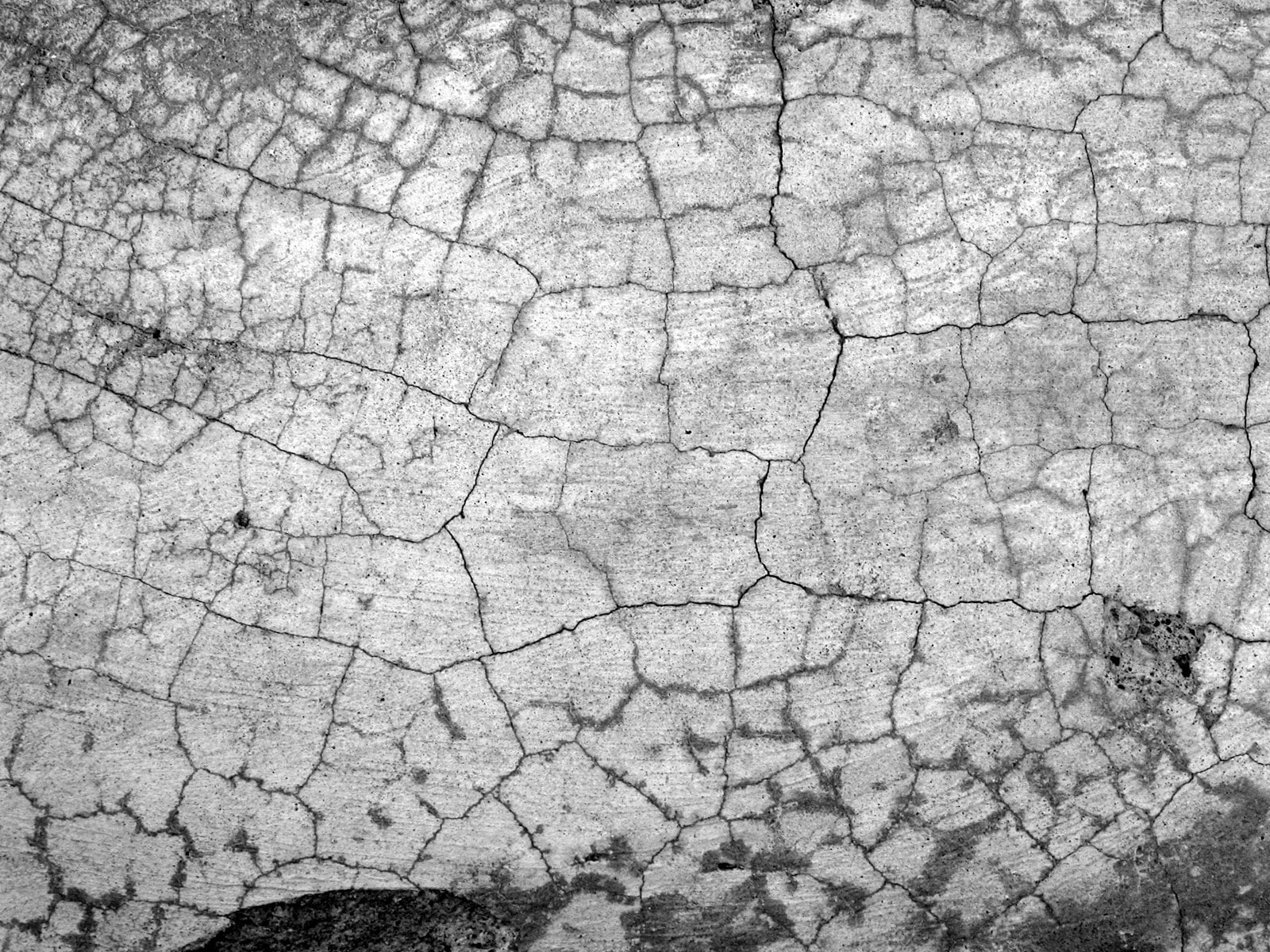
Mature trees and a lot that slopes toward the house both change the moisture under the slab, and both can be dealt with.
Drainage and Root BarriersSoil is the first question here. East of I-35 the Blackland clay is deep and highly reactive, so a drought summer pulls the ground away from the slab edge and a wet winter pushes it back. Toward the west, closer to the hills, limestone sits nearer the surface with pockets of clay above and between it. A house sitting partly on rock and partly on clay can drop on one side only, and the crack pattern that produces is often mistaken for something more dramatic than it is.
The second question is age. A neighborhood built in the mid-1990s is now carrying thirty-year-old trees close to the walls, original irrigation and downspouts that may never have been extended. A subdivision from the 2010s still has settling backfill, thin landscaping and, very often, a post-tension slab. Tell us the build year, which way the lot drains, how close the largest tree is to the house and whether your irrigation runs on a timer. Brushy Creek, I-35, SH-45 and SH-130 are useful for describing where you are, but the appointment is confirmed against the address.
Deep clay to the east behaves seasonally. Shallow soil over rock to the west tends to move unevenly rather than everywhere at once.
Where a builder cut and filled to make a flat pad on sloping ground, the filled side is the side that settles. Worth knowing before piers are priced.
Standard in newer construction. The cables have to be located before anything is cored or cut, which changes how interior work is approached.
Plenty of Round Rock inspections end with no repair recommended. A hairline over a door frame, one sticking door and a gap at a patio slab are not by themselves evidence of a failing foundation. What counts is a pattern that keeps developing in the same part of the house across two dry seasons, backed by elevation readings that show a genuine difference between rooms.
When piers are recommended, make sure you understand which kind and why. Our comparison of pressed concrete versus steel piers covers how each behaves where clay is deep and where rock is shallow, which is exactly the choice this town presents. Before that, read whether to repair now or wait, and if you are northwest along US-183 the notes for Cedar Park cover the limestone side in more detail. You can request an inspection whenever you are ready.
It comes down to the pier count, the pier type and how hard each location is to reach, which is why no honest figure exists before someone measures your floor. Pflugerville Foundation Repairs gives an upfront written quote after the inspection, itemized by pier location, and you keep it whether or not you go ahead. A fair number of Round Rock visits end with watering and drainage advice instead of a repair.
Pflugerville Foundation Repairs covers Round Rock for inspections and repairs on slabs and on older houses with a crawl space. Have the build year and the address ready when you get in touch, and see what the visit includes on our foundation inspection page.
Inspection appointments are usually arranged within a few days, subject to availability and the weather, since heavy rain changes what can be judged outside. Pflugerville Foundation Repairs confirms a time against your Round Rock address rather than promising a slot before you call.
No. Lifting any part of a house puts several tons onto equipment that has to be placed and supported correctly, and a jack that slips on wet clay is genuinely dangerous. On a post-tension slab there is the extra risk of cutting a tensioned cable. Watching, photographing and recording the problem is safe. Lifting is not. Call Pflugerville Foundation Repairs and let the readings decide.
If the readings show modest movement and there is an obvious water problem, correcting the drainage and watching through one dry summer is often the better order. If a corner has already dropped significantly, waiting usually adds cracks and cost rather than clarity. Pflugerville Foundation Repairs will tell you which situation you are in, and crack repair alone is only worth doing once the structure underneath is stable.
Because the ground changes. Toward the hills there is less clay over limestone, so instead of a whole slab edge rising and falling with the seasons, you get movement concentrated where a pocket of clay or builder's fill happens to sit. That usually means fewer piers in more specific places. See piers and underpinning for how those locations are chosen, or the service areas page for the towns either side.
Tell us what the house is doing and we will plan the right inspection.