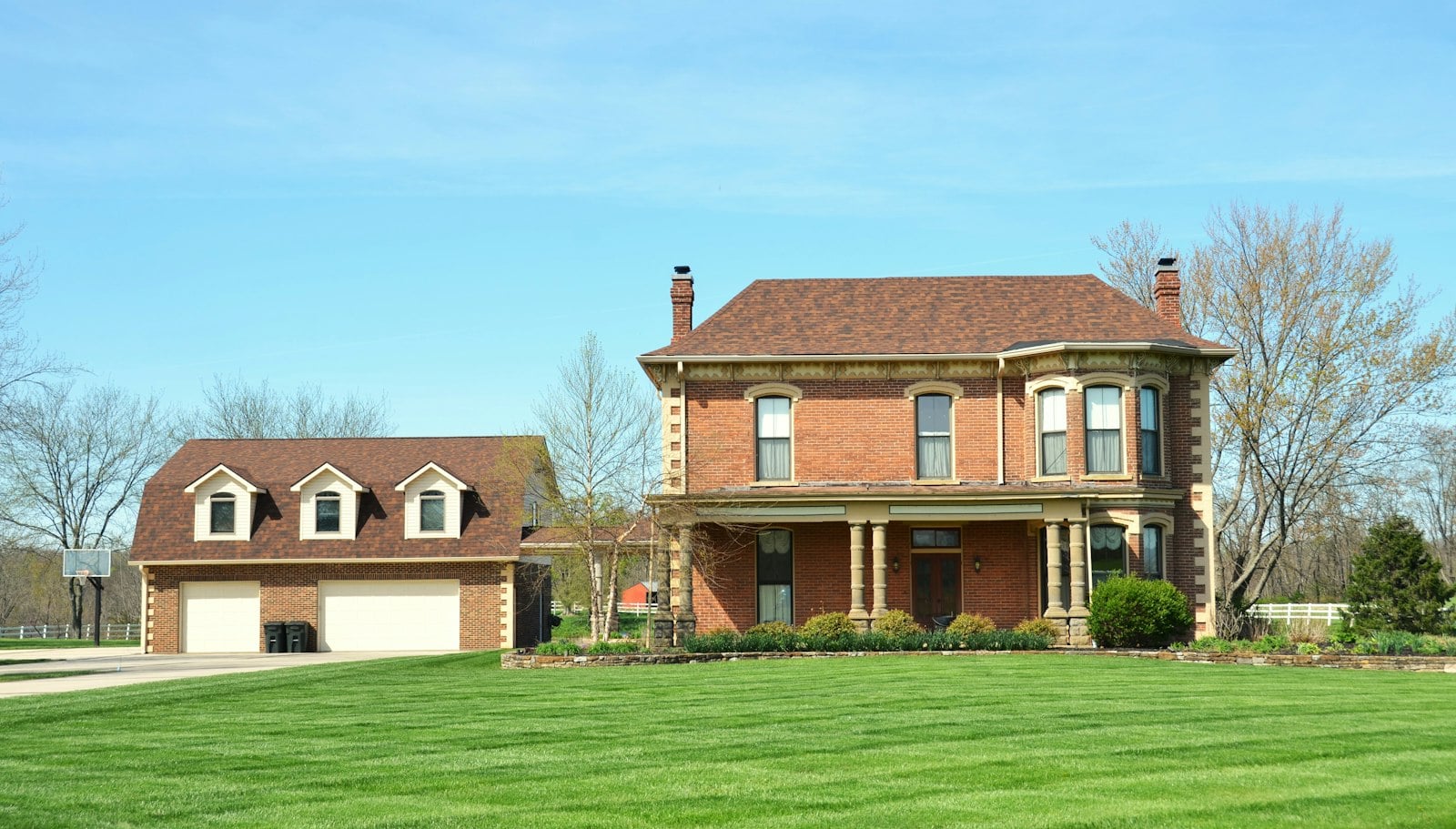
Slab Foundation Repair
The great majority of Manor housing is slab-on-grade, much of it built in the last twenty years on ground with very little fall.
Slab Foundation RepairManor has added subdivisions along US-290 faster than almost anywhere in Travis County, on flat Blackland clay that drains slowly and moves a lot. Pflugerville Foundation Repairs works on both the new slabs out by the highway and the much older houses near the original town center.
The great majority of Manor housing is slab-on-grade, much of it built in the last twenty years on ground with very little fall.
Slab Foundation Repair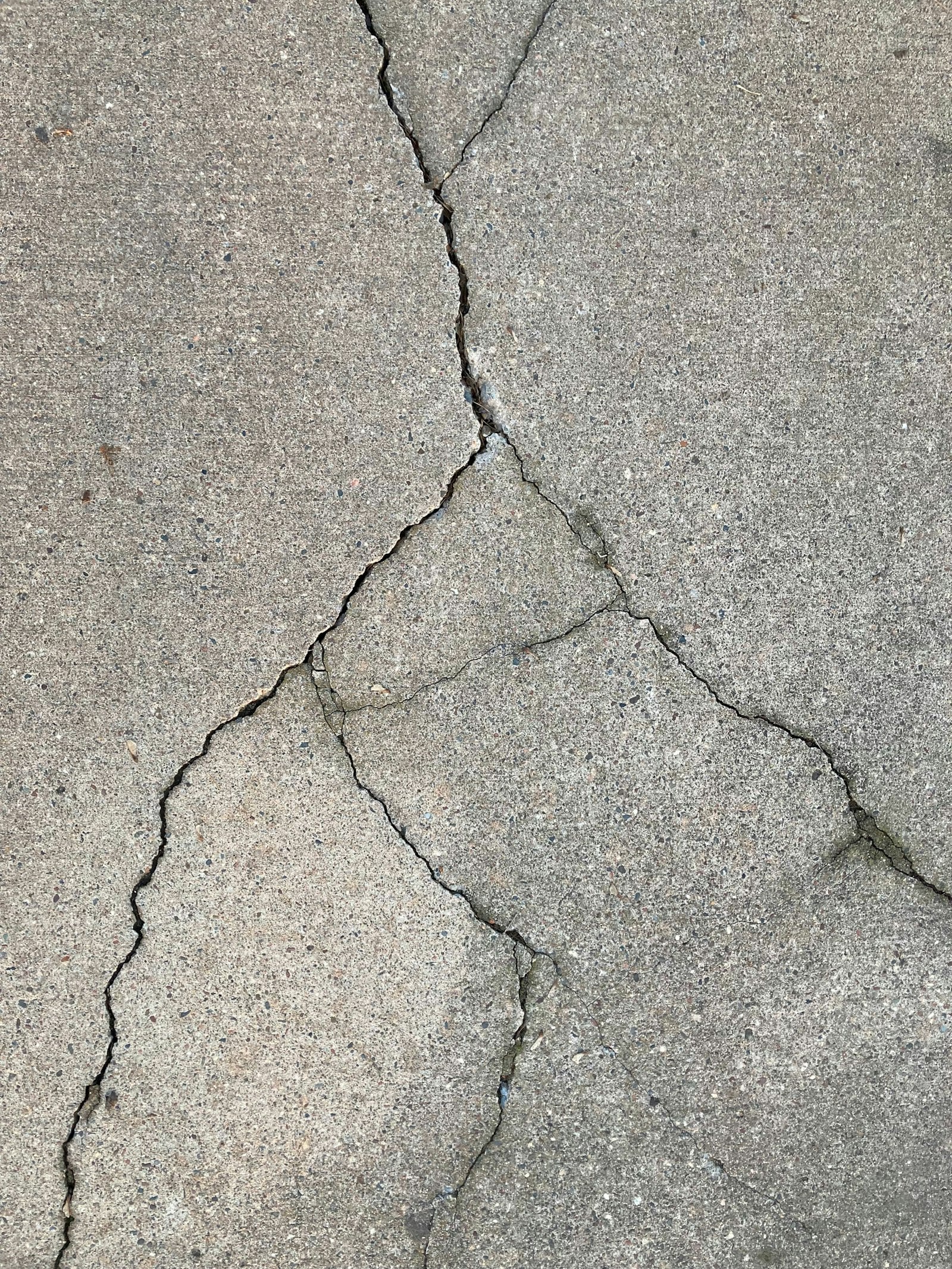
Flat lots and heavy clay mean water sits. Where it sits next to a slab, the soil swells and the house notices.
Drainage and Root Barriers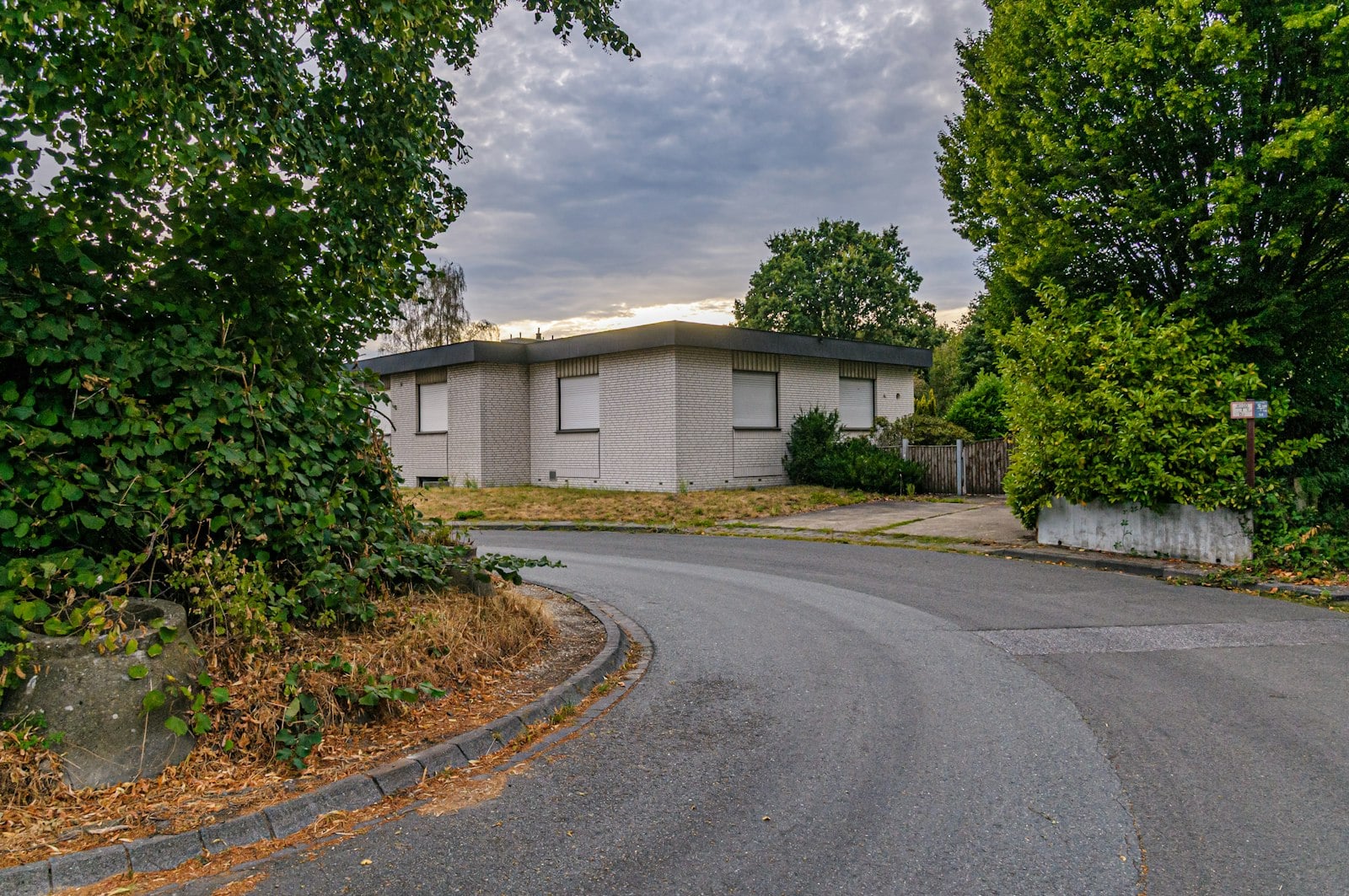
Houses around old Manor predate the subdivisions by generations and many still sit on piers over a crawl space.
Pier and Beam RepairThe thing that stands out about Manor is how flat it is. Water that falls on a lot with almost no slope does not leave quickly, and Blackland clay absorbs it slowly, so it sits against the foundation instead. Then a drought summer arrives and the same clay contracts. That swing between saturated and cracked-dry is the mechanism behind most of the movement we measure here, and it is why drainage gets as much attention as piers on this side of the service area.
Tell us which part of town you are in when you book. A house in one of the newer developments off US-290 is typically a post-tension slab under ten years old with a builder's grading plan and young trees. A house a few blocks from the old town center might be seventy or a hundred years old, possibly pier and beam, possibly with an added slab room that behaves differently from the rest of the structure. Those two visits look nothing alike.
Note where puddles sit after a storm and how long they last. On a flat lot that is the single most useful observation you can give us.
Where an older house has a newer slab addition, the joint between the two is normally where the cracks appear first.
Consistency beats volume. A yard soaked once a month and left to bake in between is harder on a slab than steady, modest watering.
On flat ground the drainage question comes first more often than anywhere else we work. If water has been standing against one side of the house for years, the soil there has been swelling while the far side dried, and correcting that may stop the movement before piers are needed. If the readings already show a substantial drop, the structural repair and the drainage work get planned together so the second one protects the first.
If you are weighing up a quote, read our comparison of pressed concrete and steel piers so the terms in it make sense, and the warning signs worth acting on to judge how far things have gone. Continuing east on US-290 we also cover Elgin, and the full list is on the service areas page.
The quote is driven by how many piers the house needs, what type they are and how accessible each spot is, plus any drainage work. Nobody can price it properly without measuring your floor first. Pflugerville Foundation Repairs inspects, gives you a written itemized quote upfront and leaves the decision with you. See what the inspection covers.
Pflugerville Foundation Repairs covers Manor for slab repair, pier and beam work and drainage correction. When you get in touch, mention whether you are in one of the newer developments or closer to the old town center, because the two need different inspections.
Inspections are generally arranged within a few days, depending on the schedule and the weather. Heavy rain limits what can be judged outside, so a wet week may move things. Pflugerville Foundation Repairs confirms a time for your Manor address when you call.
Not dangerous to you, but it is the most reliable way to damage a slab over time, and it also breeds mosquitoes. Keep children away from any open excavation and do not try to dig a drain line yourself without locating utilities first. Call 811 before anyone puts a shovel in the ground, and see drainage correction for what a proper fix involves.
It can, though more often it does not. New houses on reactive clay move while the backfill settles and the landscaping establishes, and most of those cracks are cosmetic. The deciding factor is whether elevation readings show a genuine difference and whether it is still changing. Check your builder's structural warranty before paying for anything.
It makes drainage harder, which amounts to the same thing. With little natural fall, water leaves slowly and has time to soak the clay next to the slab, then that clay gives the moisture up again in a dry summer. Getting surface water away from the perimeter matters more here than in neighborhoods with a natural slope.
Tell us what the house is doing and we will plan the right inspection.