Slab Foundation Repair
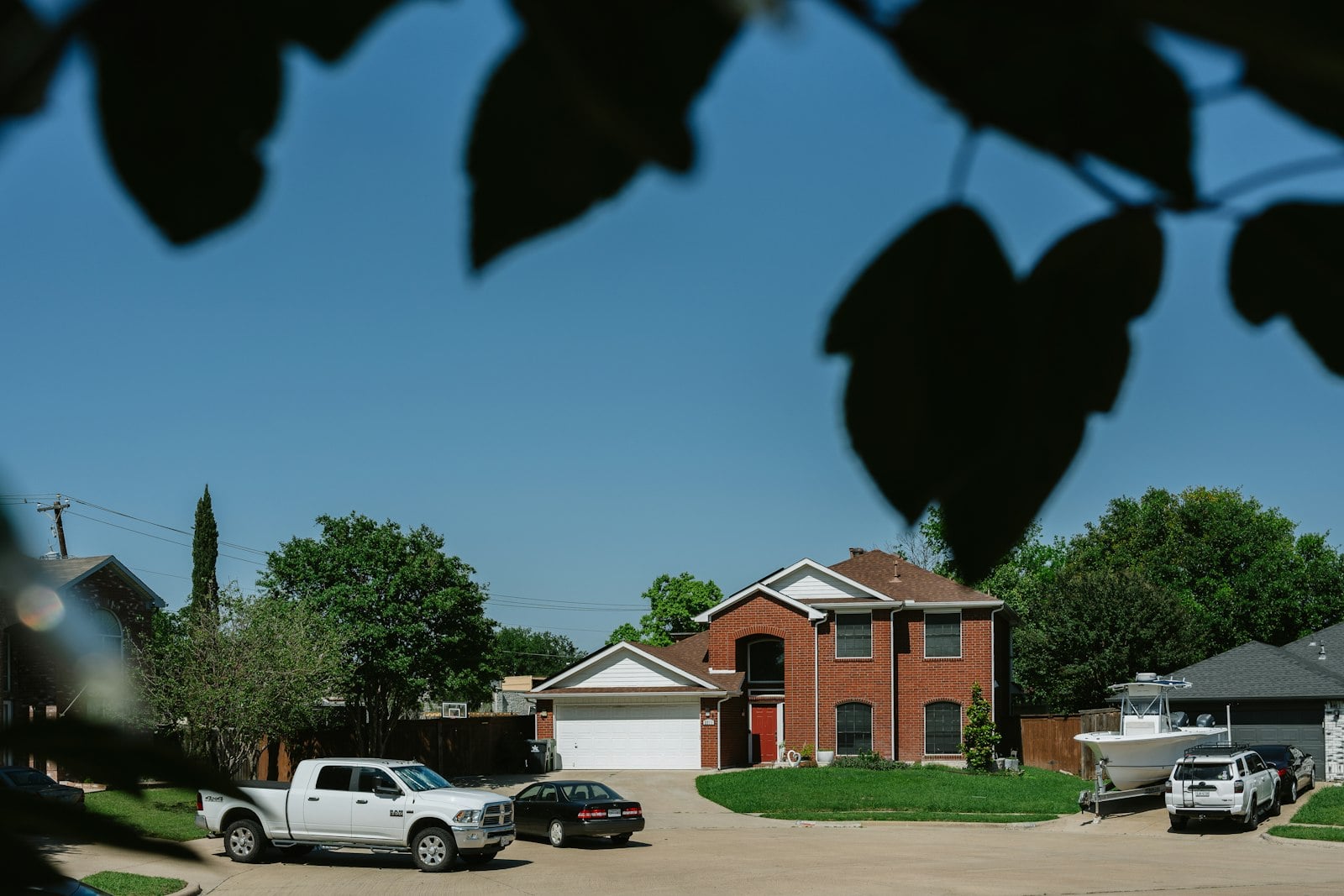
Slab houses from the 1970s onward, many with original plumbing still running under the concrete.
Slab Foundation RepairThe neighborhoods around Parmer Lane, Tech Ridge and North Lamar were built mostly between the 1970s and the 1990s, on slabs that have now been through several serious droughts. Pflugerville Foundation Repairs inspects these houses and explains what the readings actually show.
Slab houses from the 1970s onward, many with original plumbing still running under the concrete.
Slab Foundation Repair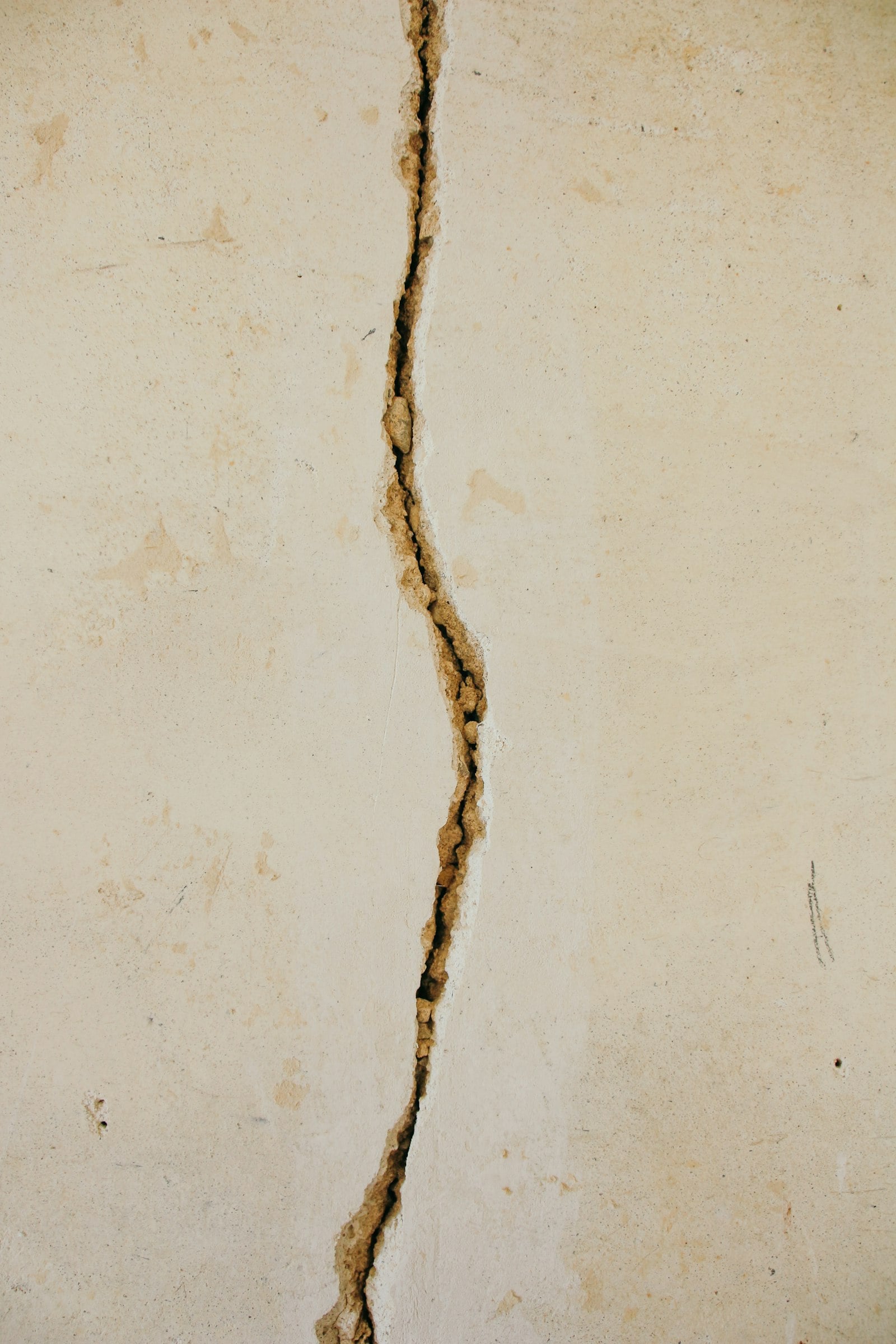
Where a corner has dropped, the goal is a measured recovery with the readings recorded before and after.
Foundation Leveling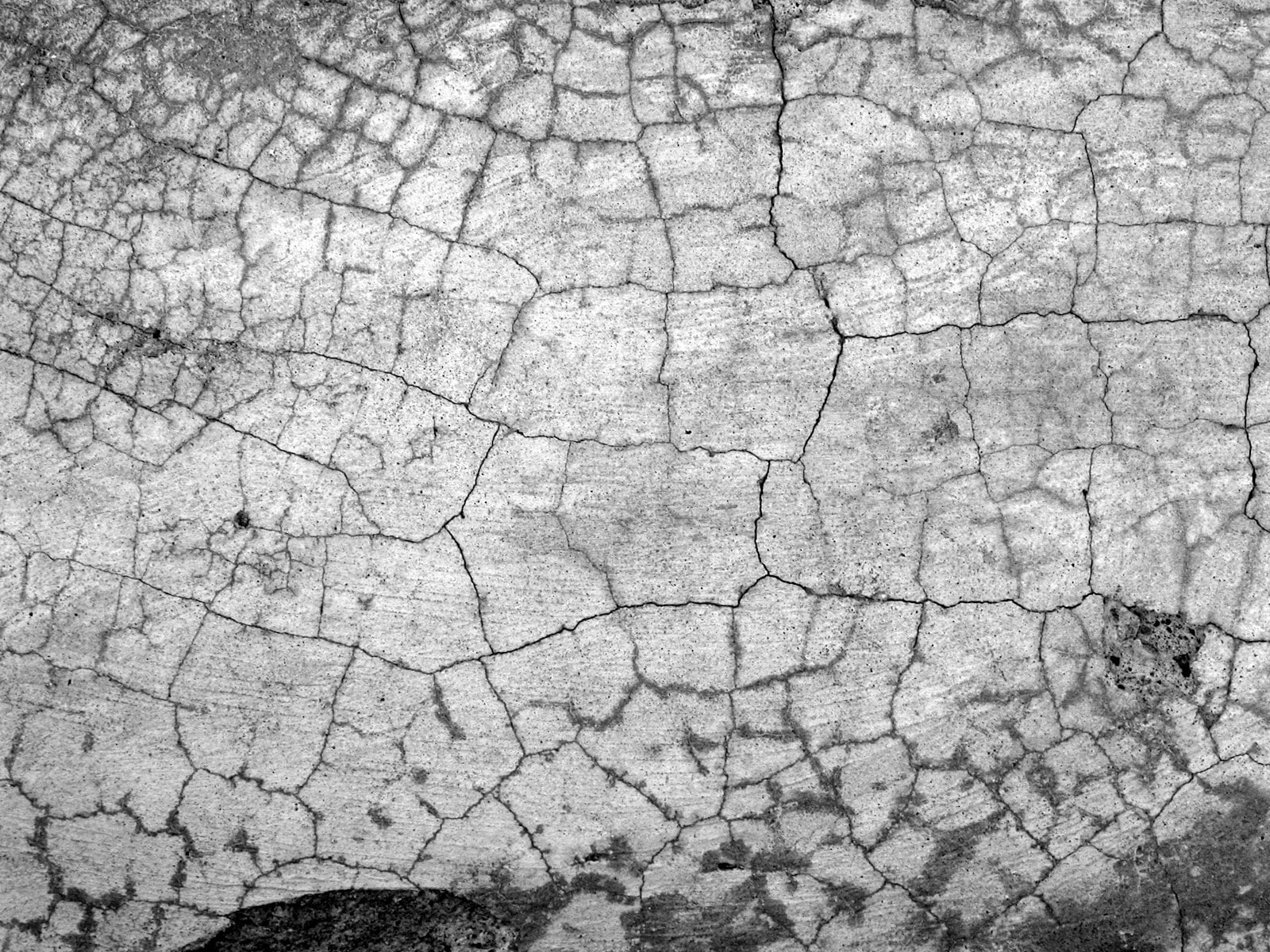
Fifty-year-old live oaks and post oaks sitting close to the walls pull a lot of moisture out of the clay.
Drainage and Root BarriersThis part of the metro has the classic combination for foundation movement: slab-on-grade houses of a certain age, reactive soil and very large trees that were planted or left standing close to the buildings. A slab poured in 1978 has been through every drought since, and each one has given the clay under it another chance to shrink unevenly. Most of these houses are fine; the ones that are not usually have an obvious contributing factor such as a tree at the corner, a downspout emptying at the foundation or a long-running plumbing leak.
That last point is worth taking seriously on houses of this age. Supply lines cast into a slab decades ago can develop a pinhole that keeps one patch of clay permanently wet, and the slab reacts to that just as it does to weather. If you have a spot that stays damp with no rain to explain it, or a water bill that crept up without a change in habits, say so at the inspection. A pressure test is far cheaper than piers installed for the wrong reason.
Note which large trees are within about their own height of the house and whether the canopy overhangs the roof.
On a house of this age, rule out an under-slab leak before assuming the weather caused the movement.
Added rooms, sunrooms and patio slabs poured later usually move independently of the main slab, and the joint shows it.
The most common mistake on a house like this is fixing the symptom. Piers installed while a leak keeps soaking one area, or while a tree keeps drawing moisture from under the corner, are being asked to do a job they were not designed for. The sequence that holds up is: find the cause, remove it, then repair the structure if the readings justify it.
If a quote has already been put in front of you, read how pressed concrete and steel piers compare so the line items make sense, and how to water a foundation through a Texas summer for the part you control. Immediately north we cover the same era of housing in Wells Branch, and you can request an inspection for your address whenever you like.
It comes from the pier count, the pier type and how accessible each location is, plus any drainage or root barrier work. On older houses, a plumbing test may be recommended first, which can change the whole plan. Pflugerville Foundation Repairs inspects and gives you an itemized written quote before anything is scheduled.
Pflugerville Foundation Repairs covers the North Austin neighborhoods around Parmer Lane, Tech Ridge and North Lamar for inspections, slab repair, leveling and drainage work. Tell us the build year and whether you have noticed any damp spots. See the full service list.
Usually within a few days, subject to availability and weather. Late summer is the busiest stretch, because that is when dry clay pulls back from slabs and doors start sticking all over the neighborhood, so book earlier if you can.
Small cracks in a slab are extremely common and mostly harmless, since concrete cracks as it cures. Take notice if one is wide enough to catch a shoe, has a vertical lip between the two sides, or runs with other symptoms like sticking doors. Keep flooring flat so nobody trips, and get it measured rather than filled and forgotten.
On a house of this age, yes, and it is worth ruling out first. A leaking line under the slab keeps one area of clay saturated year round, which moves the slab in a pattern that can look just like drought damage. A pressure test answers it. Repairing the structure while the leak continues wastes the money. See what the inspection covers.
Age plus trees plus soil. The slabs are old enough to have lived through multiple severe droughts, the trees planted when the streets were new are now large enough to dry out the ground under a corner, and the clay does the rest. That combination is also why root barriers and steady watering do more good here than most people expect.
Tell us what the house is doing and we will plan the right inspection.