Slab Foundation Repair
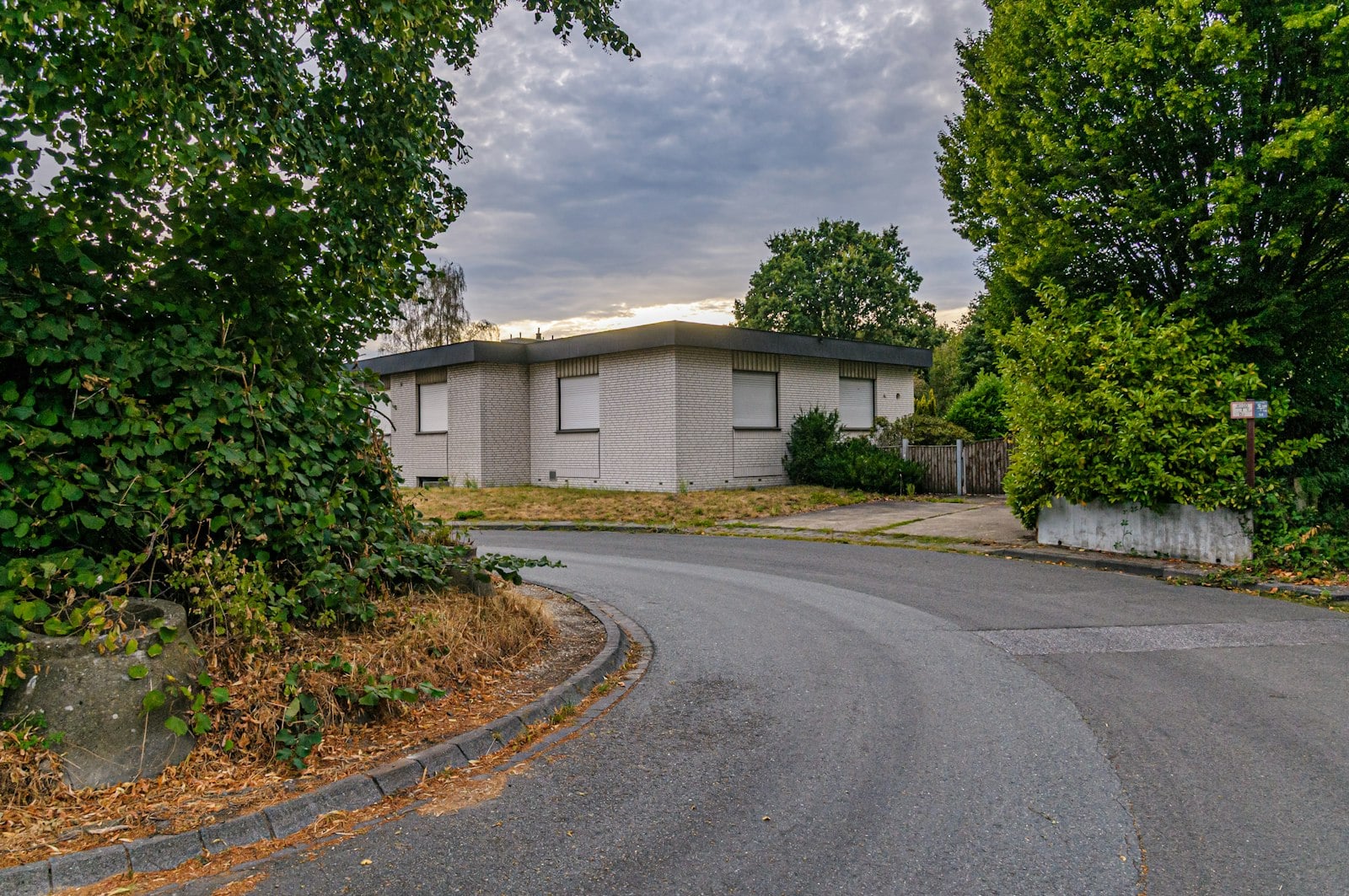
Early 1980s slabs that have been through four decades of Central Texas droughts and wet winters.
Slab Foundation RepairWells Branch was built out as a municipal utility district in the 1980s, so most of its slabs and most of its shade trees are the same age. Forty-year-old root systems next to forty-year-old foundations is a combination Pflugerville Foundation Repairs sees constantly here.
Early 1980s slabs that have been through four decades of Central Texas droughts and wet winters.
Slab Foundation Repair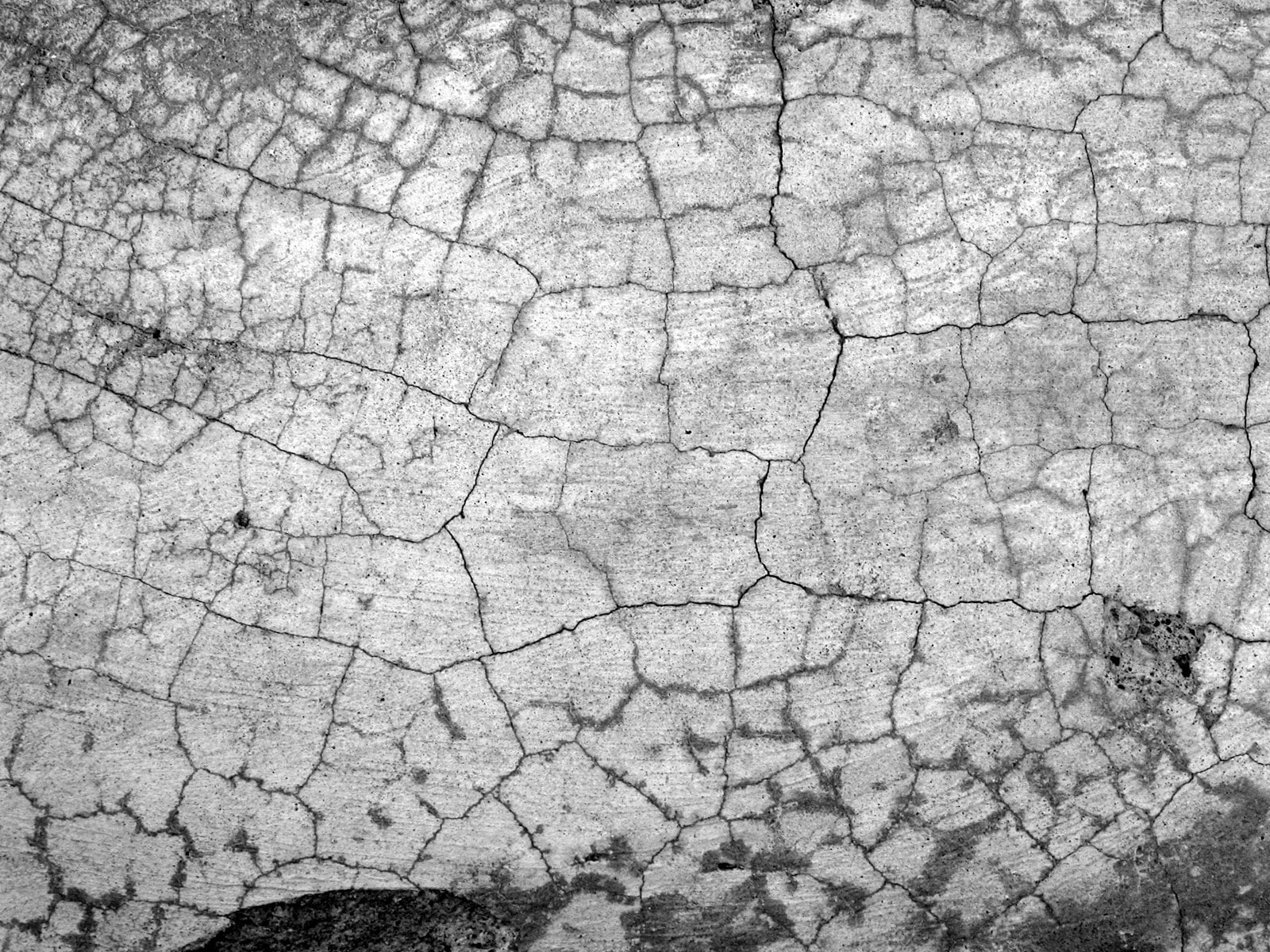
Mature trees close to the wall are the single most common factor we find on this side of the service area.
Drainage and Root Barriers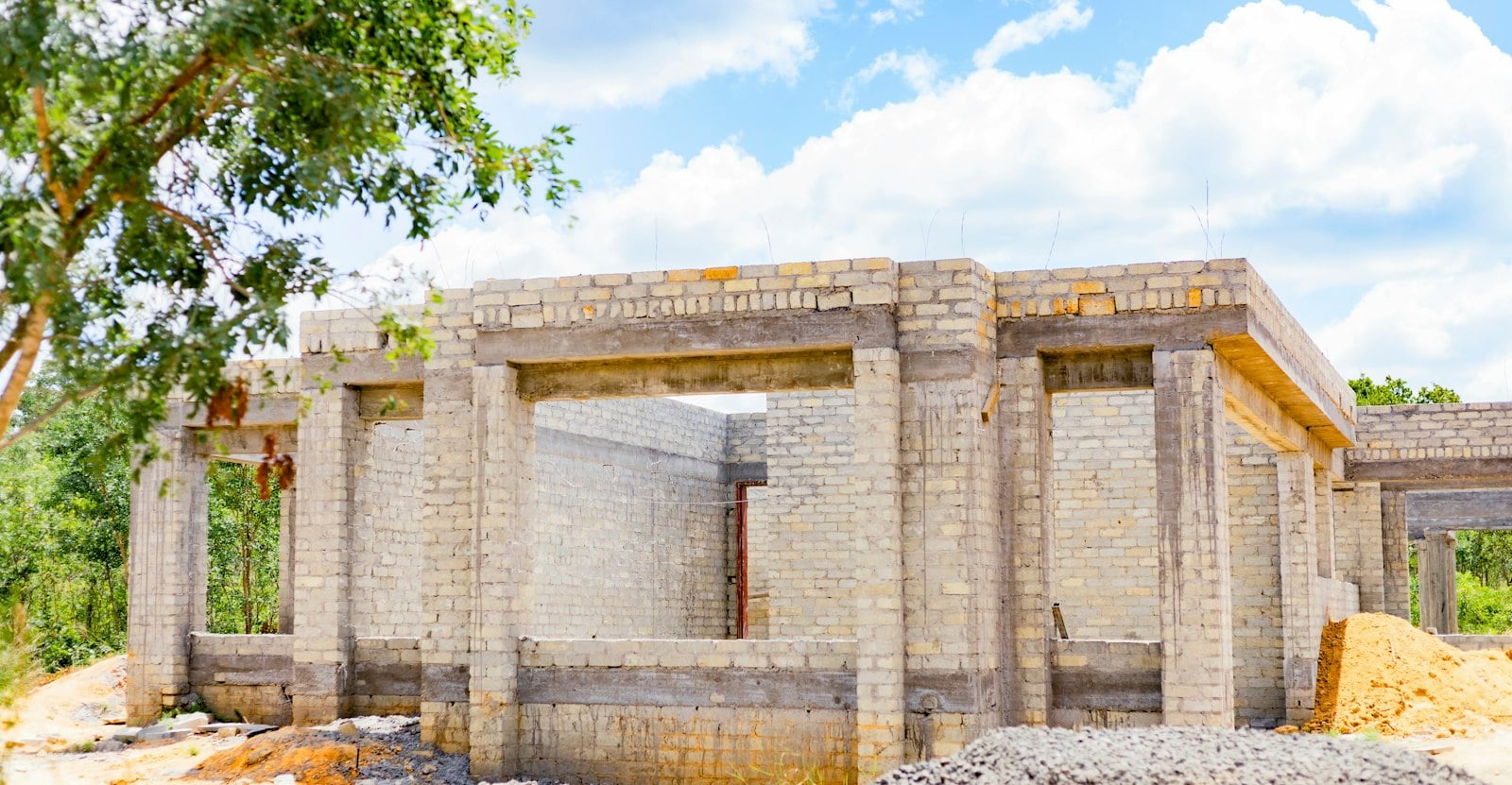
Where a corner has genuinely dropped, piers carry the load past the soil that keeps changing volume.
Piers and UnderpinningA neighborhood built in one decade ages in one decade. The slabs here were poured in the 1980s and early 1990s, the trees that came with them are now full grown, and a large tree in a drought summer will take an enormous amount of water out of the clay directly under its canopy. When that canopy overhangs a corner of the house, that corner dries and drops while the shaded side stays damper. It is a textbook pattern and it responds well to root barriers and consistent watering.
The other thing worth knowing about older neighborhoods is that some houses have already been worked on. Previous piers, a crack that was patched in the 1990s or a drain line that somebody installed and then covered over all change what the readings mean. If you know of any past repair, say so when you book, and dig out the paperwork if you have it. Warranty documents from an earlier contractor can still be worth something.
Measure roughly how far the nearest large trunk is from the house and whether the canopy reaches the roof. It genuinely affects the plan.
Old piers, patched cracks and past releveling change the picture. Any paperwork you still have is useful at the inspection.
A permanently damp patch with no rain to explain it can be a line under the slab. A pressure test answers that cheaply.
The decision on a forty-year-old slab is usually about whether the movement is still active. A house that shifted during a drought a decade ago, was patched and has been stable since is in a different position from one where the same crack has widened over three consecutive summers. Elevation readings plus your own account of when things changed usually answer it.
Where trees are the driver, a root barrier and a watering routine often do more good than piers, and cost far less. Where a corner has genuinely gone down, read the comparison of pressed concrete and steel piers before approving a quote, and see how to water a foundation properly to protect the result afterward. Just south we also cover North Austin, with a similar era of housing, and the full list is on the service areas page.
Pier count, pier type and access drive the number, and a root barrier or drainage run is priced separately by the length of trench. On a forty-year-old house, previous repairs can also affect the scope. Pflugerville Foundation Repairs inspects, measures and gives you a written quote upfront rather than a figure over the phone.
Pflugerville Foundation Repairs covers Wells Branch for inspections, slab repair, piers and root barriers. Mention the trees near the house and any repair history when you get in touch. Details of the visit are on our foundation inspection page.
Normally within a few days, subject to availability. Late summer is the busiest period, because that is when dry soil pulls away from slabs and doors start sticking, so allow a little more time if you are calling in August or September.
Usually not an immediate one, but keep away from any brick that is loose, bulging or has a crack wide enough to see daylight through, and do not let children climb on it. Get it looked at rather than patched. What matters structurally is whether the wall has moved, which the readings will show. See which cracks matter.
Not as a first step. Taking out a mature tree lets the soil under it rehydrate over the following seasons and swell, which can lift that part of the slab just as surely as drying dropped it. A root barrier with steady watering gives you a controlled result and keeps the shade. See root barriers.
Because they were built at the same time, to the same standards, on the same clay, and landscaped in the same few years. When the neighborhood hits a drought, a lot of houses respond at once. It is not a sign that yours is unusually bad, and it also means your neighbors' quotes are a useful sanity check.
Tell us what the house is doing and we will plan the right inspection.