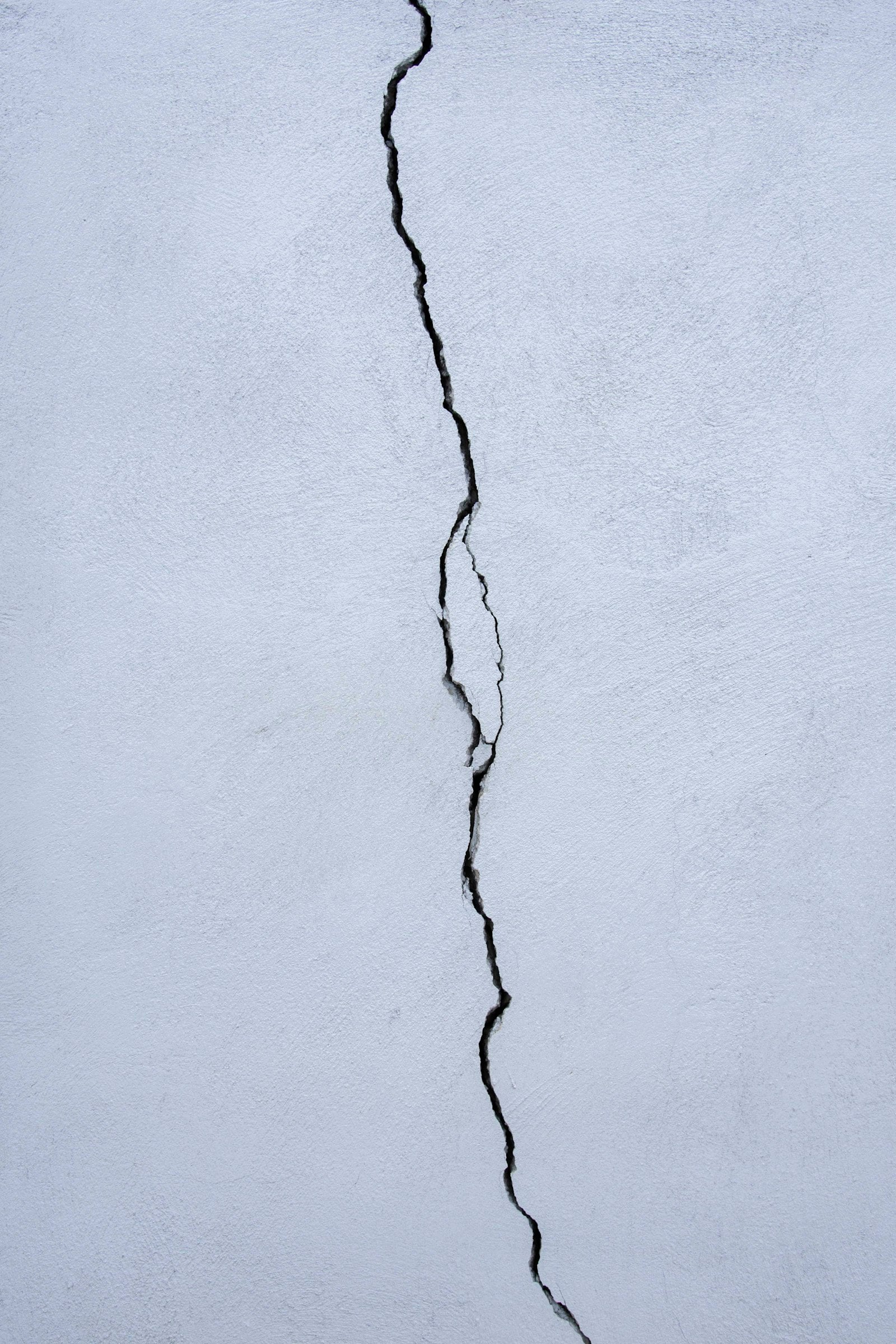
Foundation Inspection
On ground this variable, elevation readings across the whole floor are the only way to tell a settled corner from a cosmetic crack.
Foundation InspectionCedar Park sits on the limestone edge northwest of Austin, where soil is often thin over rock and the clay that does exist lies in pockets. Its subdivisions went up largely between the 1990s and the 2010s, many of them on lots cut and filled to make a flat pad. Pflugerville Foundation Repairs works out which part of your house is on what before recommending anything.
On ground this variable, elevation readings across the whole floor are the only way to tell a settled corner from a cosmetic crack.
Foundation Inspection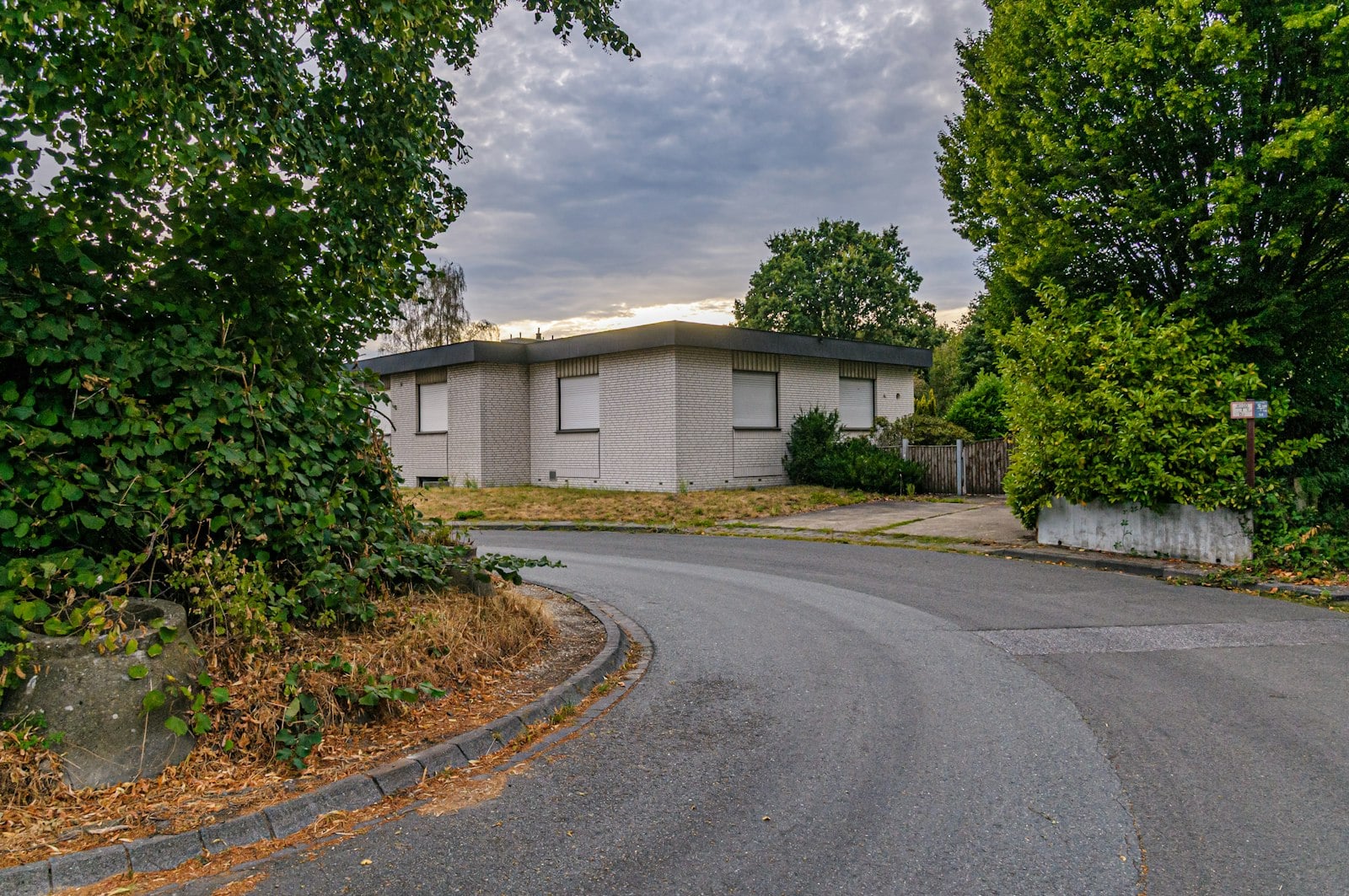
Older houses on the edges of town still sit over a crawl space, where sagging floors trace back to pads, beams and water.
Crawl Space Repair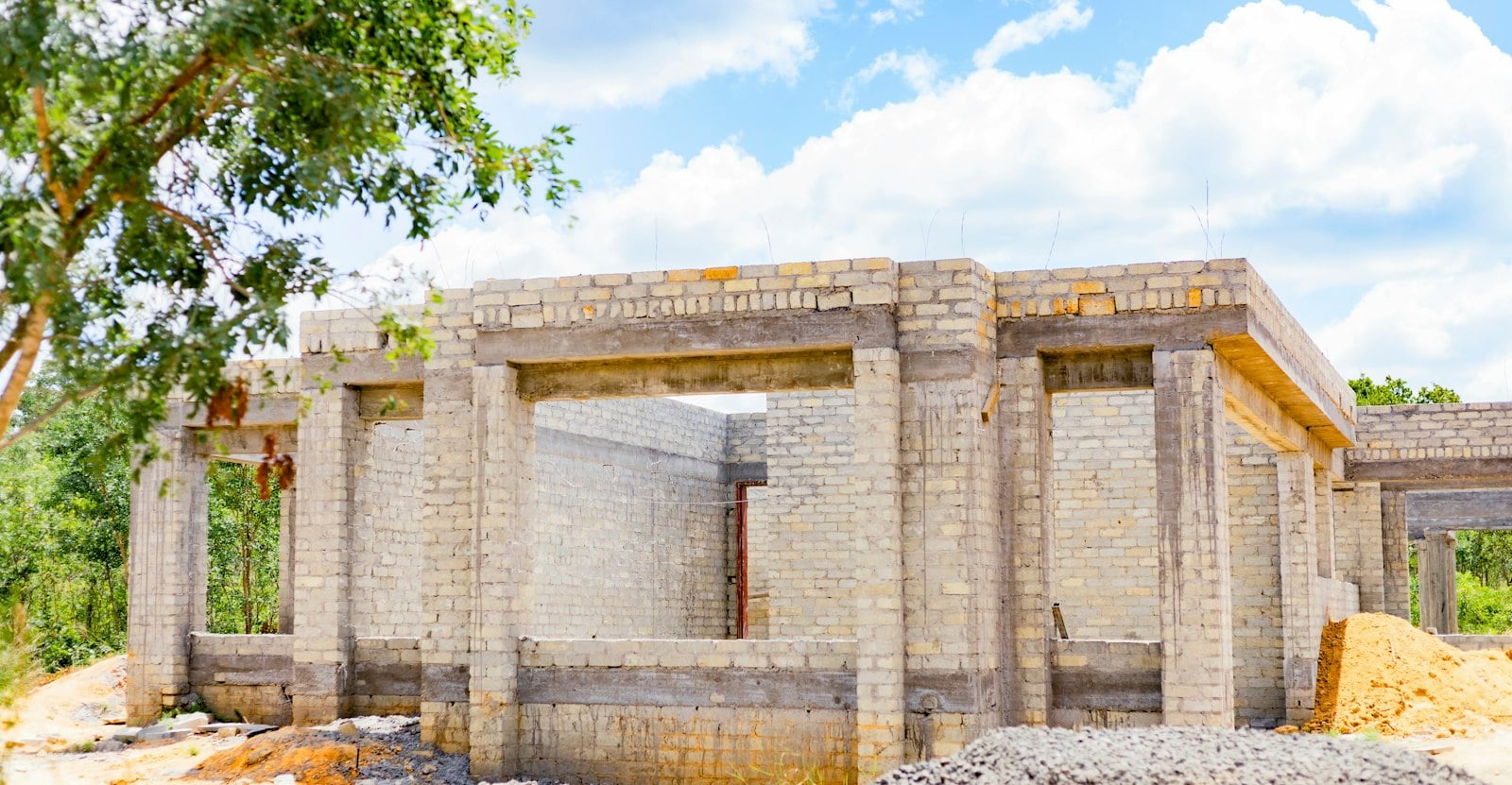
Where rock is shallow, pier depth and placement look very different from the deep-clay side of the metro. The quote should say so.
Piers and UnderpinningThe useful local fact is how quickly the ground changes. On the Edwards limestone edge, one part of a lot can have rock close enough to the surface to blunt an auger while the next corner has several feet of clay or imported fill above it. A slab bridging both does not rise and fall evenly with the seasons the way a house on deep Blackland clay does. Instead it tends to hinge, which is why cracks here often cluster in one part of the house and leave the rest untouched.
Lot shaping is the second factor. A great deal of Cedar Park was built on ground that slopes down toward Brushy Creek and Cypress Creek, so builders cut into the high side and filled the low side to get a level pad. Filled ground settles and compacts for years. Tell us the build year, which side of the house sits downhill, whether water stands anywhere after a storm and how close the nearest large tree is. US-183, 183A and RM 1431 are helpful for describing where you are, but the appointment is confirmed against the address.
Shallow limestone limits how deep a pier can be driven and changes which pier type makes sense. It is worth knowing before a pier count is quoted.
The filled side of a graded pad is usually the side that settles. Matching the readings to the original grading often explains the whole pattern.
Water running off the high side and along a foundation wall does more damage here than seasonal shrink-swell does. It is also the cheapest thing to fix.
Movement that concentrates in one corner invites an obvious question: is the house dropping, or was that corner never fully supported in the first place? On fill over rock, the answer is often the second, and it changes the repair. Piers may only be needed along one elevation, set to refusal on rock rather than driven deep into clay, and the quote should state both the locations and the reasoning.
Before approving work, read the comparison of pressed concrete versus steel piers, because shallow rock is exactly the condition where the difference between them matters most. If a crack is what brought you here, see foundation crack repair for how cracks are read before they are filled. Neighbors to the east on deeper clay can compare notes on our Round Rock page, and you can request an inspection whenever you are ready.
The pier count, the pier type and how deep each one has to go before it reaches refusal, which on this ground varies from one side of a house to the other. That is why no honest number exists before someone measures. Pflugerville Foundation Repairs provides an upfront written quote after the inspection, itemized by location, and you keep it whether or not you proceed.
Pflugerville Foundation Repairs covers Cedar Park for both inspections and repairs, on slabs and on older houses over a crawl space. Have the build year and the address to hand when you get in touch, and see what a visit covers on our foundation inspection page.
Often, yes. Appointments are usually arranged within a few days, subject to availability and the weather, because heavy rain limits what can be judged around the outside of a house. Pflugerville Foundation Repairs confirms the time against your Cedar Park address when you call.
Be careful. Utility lines, irrigation and the slab edge itself are all close to the surface around a house, so anything beyond a shallow scrape needs the utilities located first. Photographing cracks, marking their ends with a date and noting which doors have changed is safe and genuinely useful. Lifting or jacking any part of the house is not. Call Pflugerville Foundation Repairs instead.
On a sloping Cedar Park lot, drainage frequently comes first. If the readings show only modest movement and water is clearly running against one wall, correcting that and watching through a season often settles the question without piers. If a corner has already dropped, both happen together. See drainage and root barriers for what that work involves.
Yes, just different ones. Rock itself does not shrink and swell, but the clay pockets and the builder's fill above it do, and a slab spanning both moves unevenly. Houses here are less likely to need a full perimeter of piers and more likely to need a targeted run along one side. Pflugerville Foundation Repairs maps the floor first so the plan matches the ground, and the service areas page explains how nearby towns differ.
Tell us what the house is doing and we will plan the right inspection.