
Slab Foundation Repair
Most houses here sit on a concrete slab poured straight onto clay that moves with the weather.
Slab Foundation RepairDoors that stick, stair-step cracks in the brick and floors that no longer feel flat usually trace back to the clay under the slab. Pflugerville Foundation Repairs connects you with independent foundation repair providers who can take floor elevation readings. Availability varies by provider.
Most houses here sit on a concrete slab poured straight onto clay that moves with the weather.
Slab Foundation Repair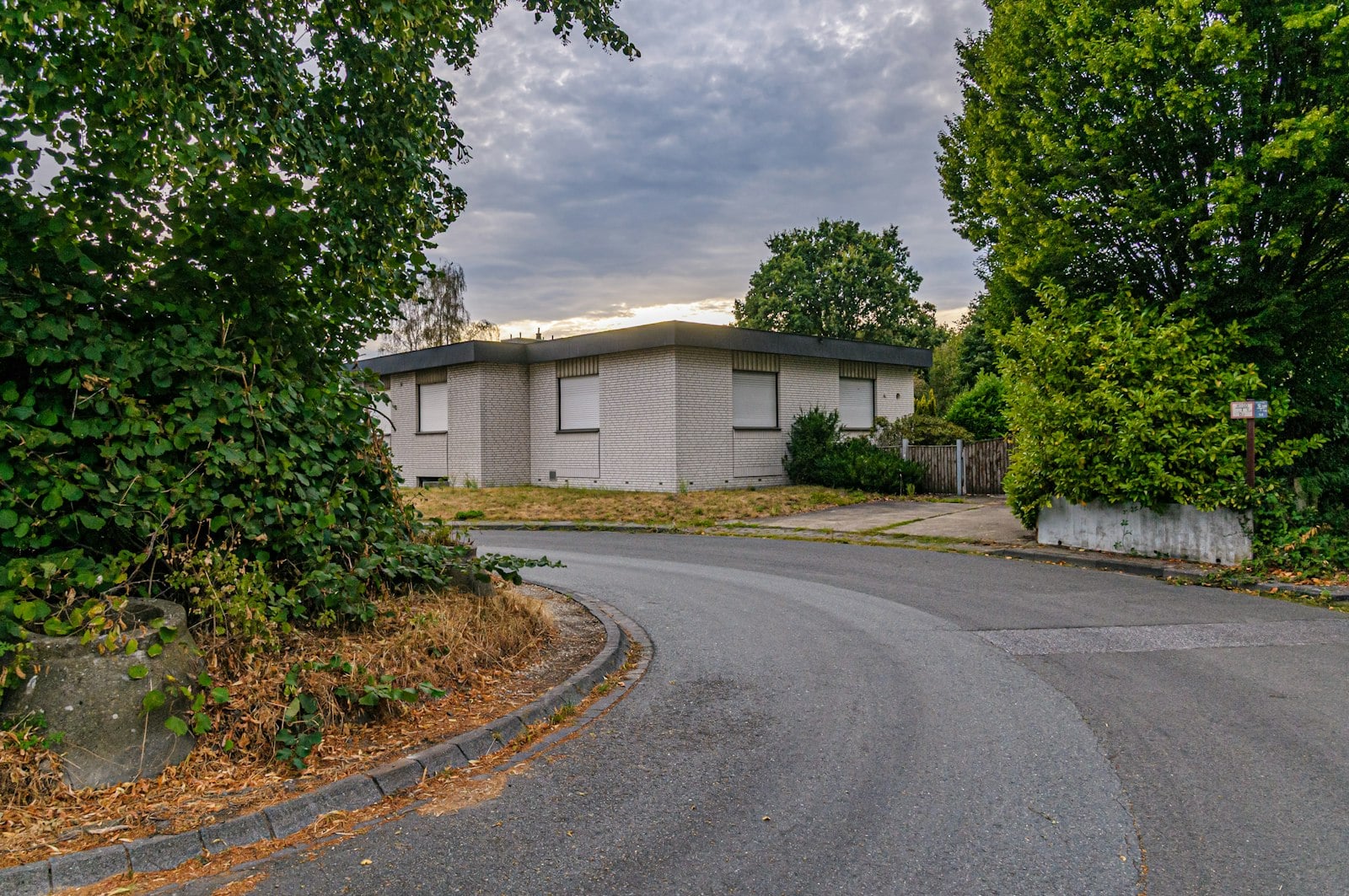
Older houses on a crawl space sag when pads settle or a beam loses its bearing.
Pier and Beam Repair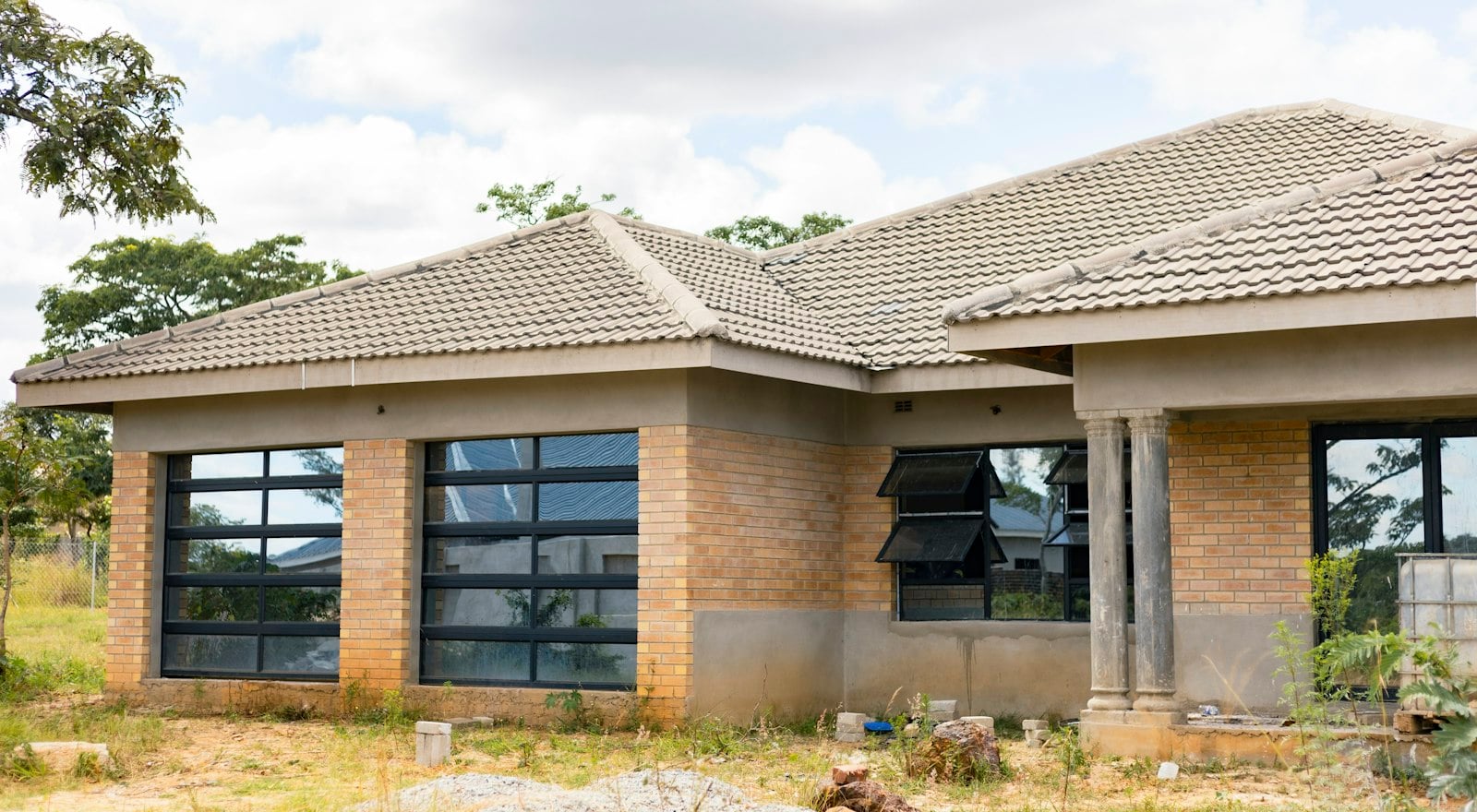
Lifting a settled corner is measured work, not guesswork, and the target is recorded first.
Foundation Leveling
Piers carry the load down to firmer ground. Which type suits your house depends on what is under it.
Piers and Underpinning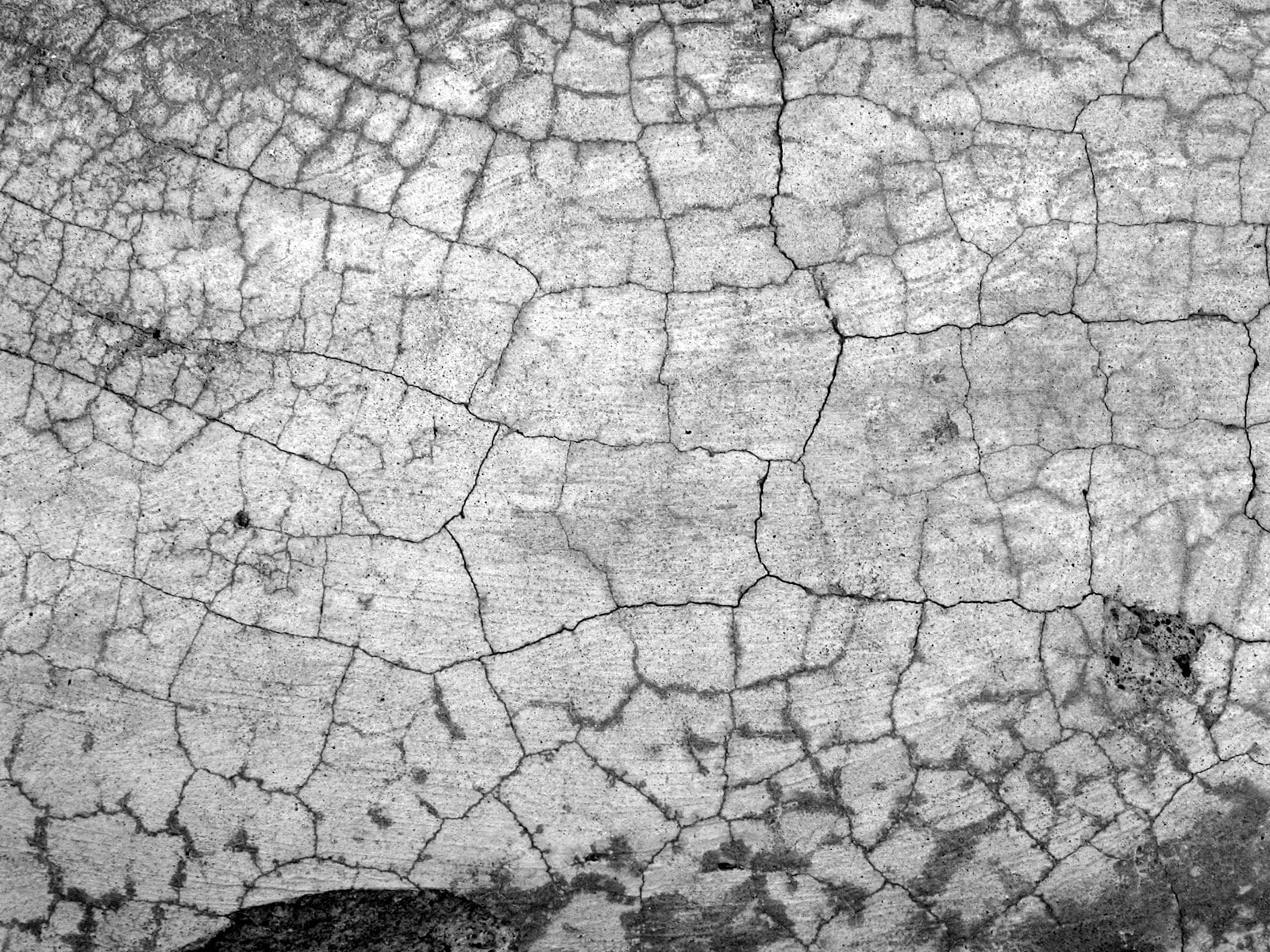
Keeping soil moisture steady around the slab is half the job, and often the cheaper half.
Drainage and Root Barriers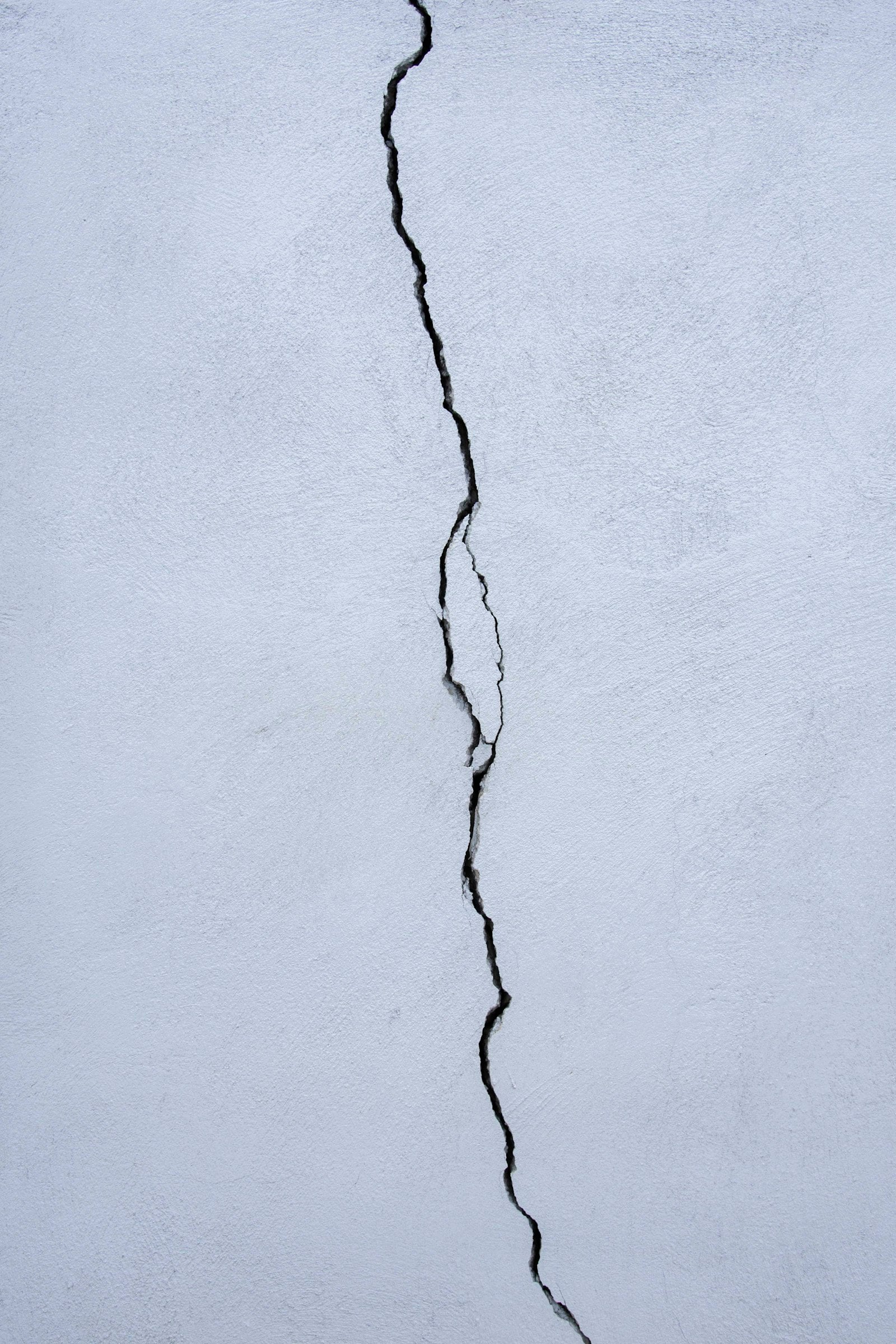
An inspection with elevation readings tells you whether the movement matters yet.
Foundation Inspection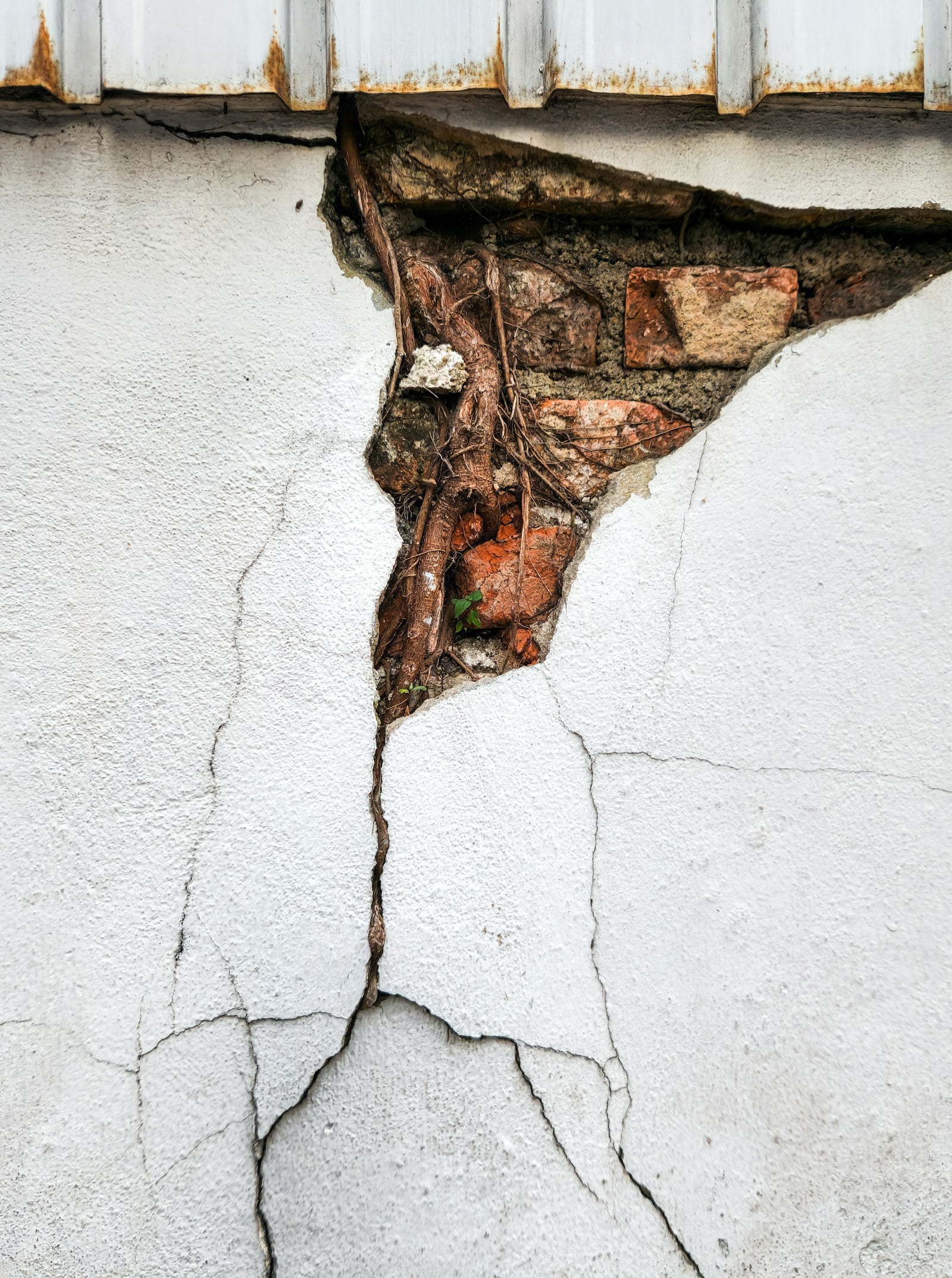
Cracks get read before they get filled, because some are finished moving and some are still reporting a problem.
Foundation Crack Repair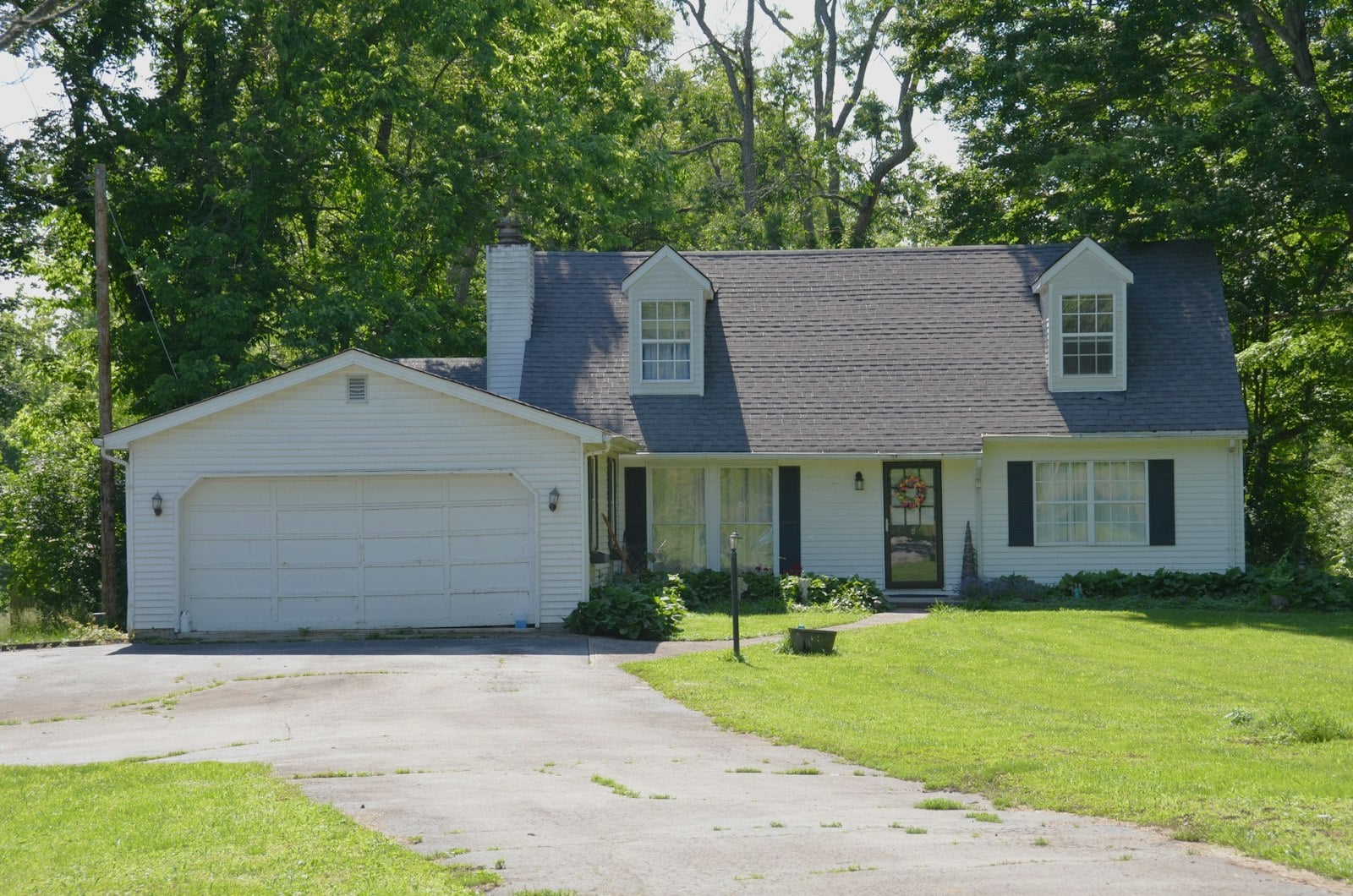
Sagging floors, damp soil and settled pads under an older house, treated as one job with the water that caused them.
Crawl Space Repair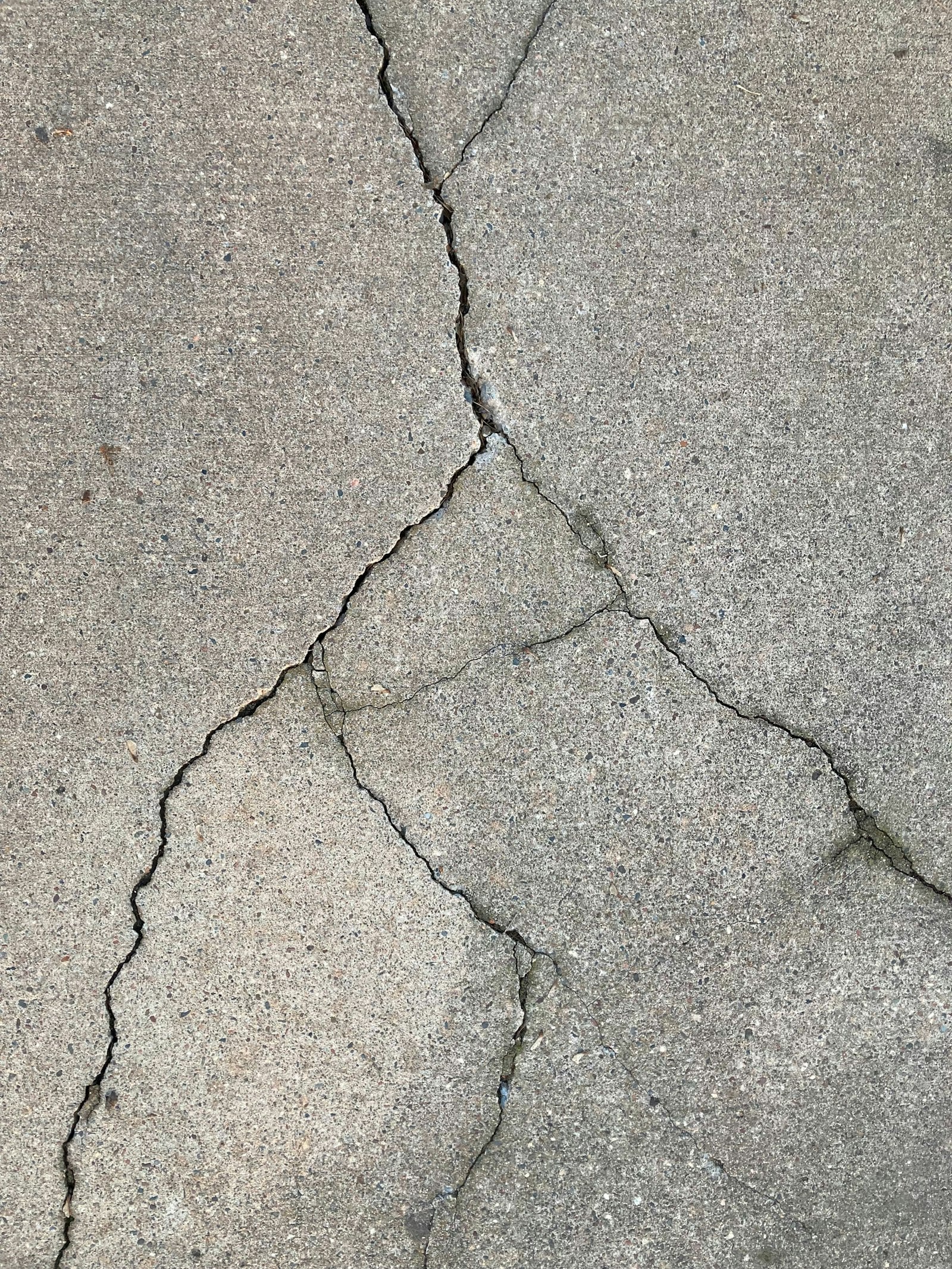
Shops, offices and warehouses need work planned around opening hours and floor loads.
Commercial FoundationsThe inspection starts with floor elevation readings across the house, so the conversation is about how much the slab has moved and where, not about how bad a crack looks.
Ask the independent provider to write down what is proposed, how many piers, where they go and what any warranty terms are, before you decide whether to go ahead.
Not every crack needs piers. If the readings show the house is within a normal range, an honest provider will say so and suggest what to watch over the next season.
Pflugerville sits on Blackland Prairie clay, which swells when it takes on water and shrinks back when it dries. A drought summer followed by a wet winter can move the soil under one corner of a slab far more than under another, and the house has to go along with it. That is why cracks here tend to appear, close up and come back on a seasonal rhythm.
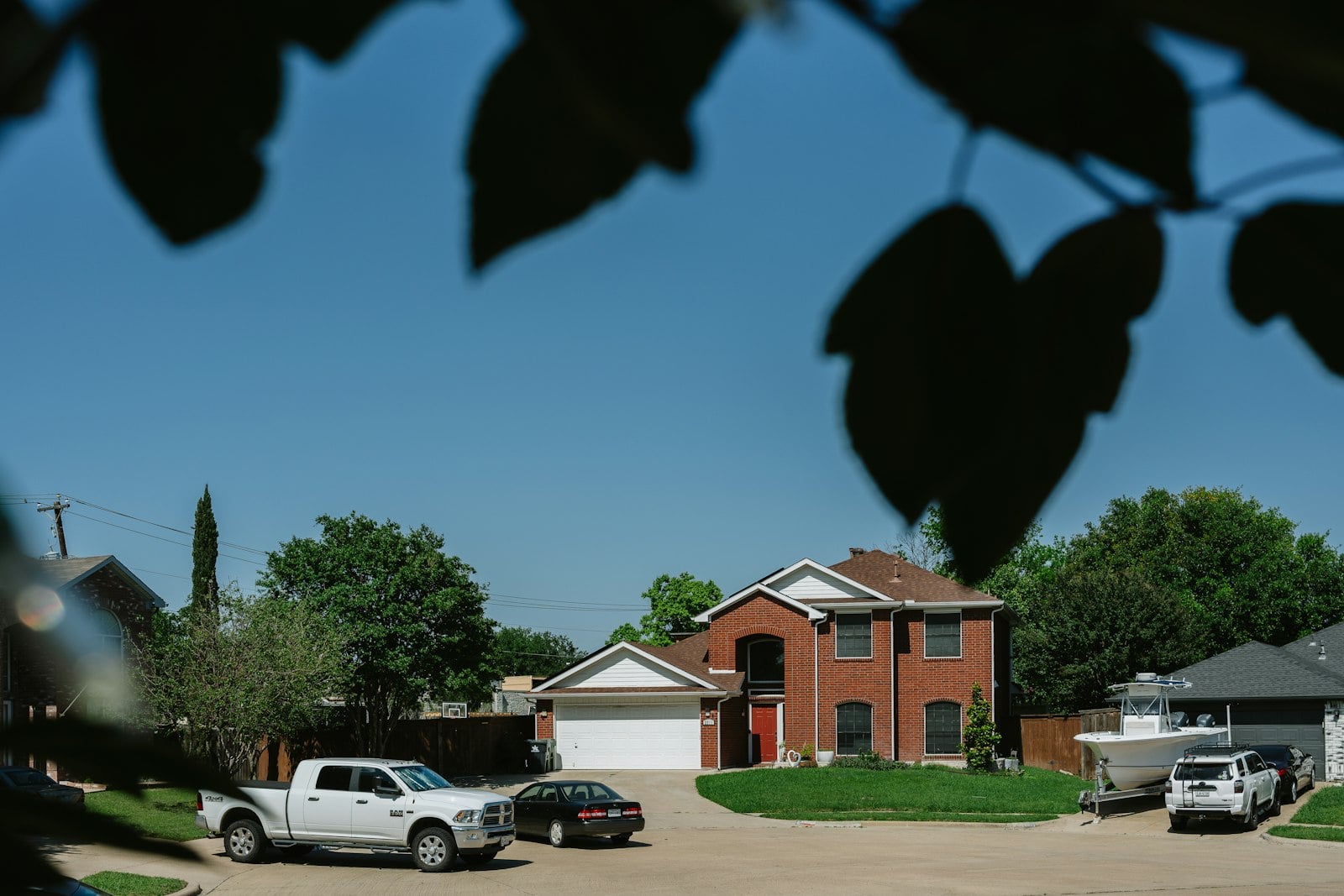
A door that latched fine in spring and drags by September is usually reporting movement, not swelling wood. An independent provider can check whether the frame is out of square and how far.
What to look for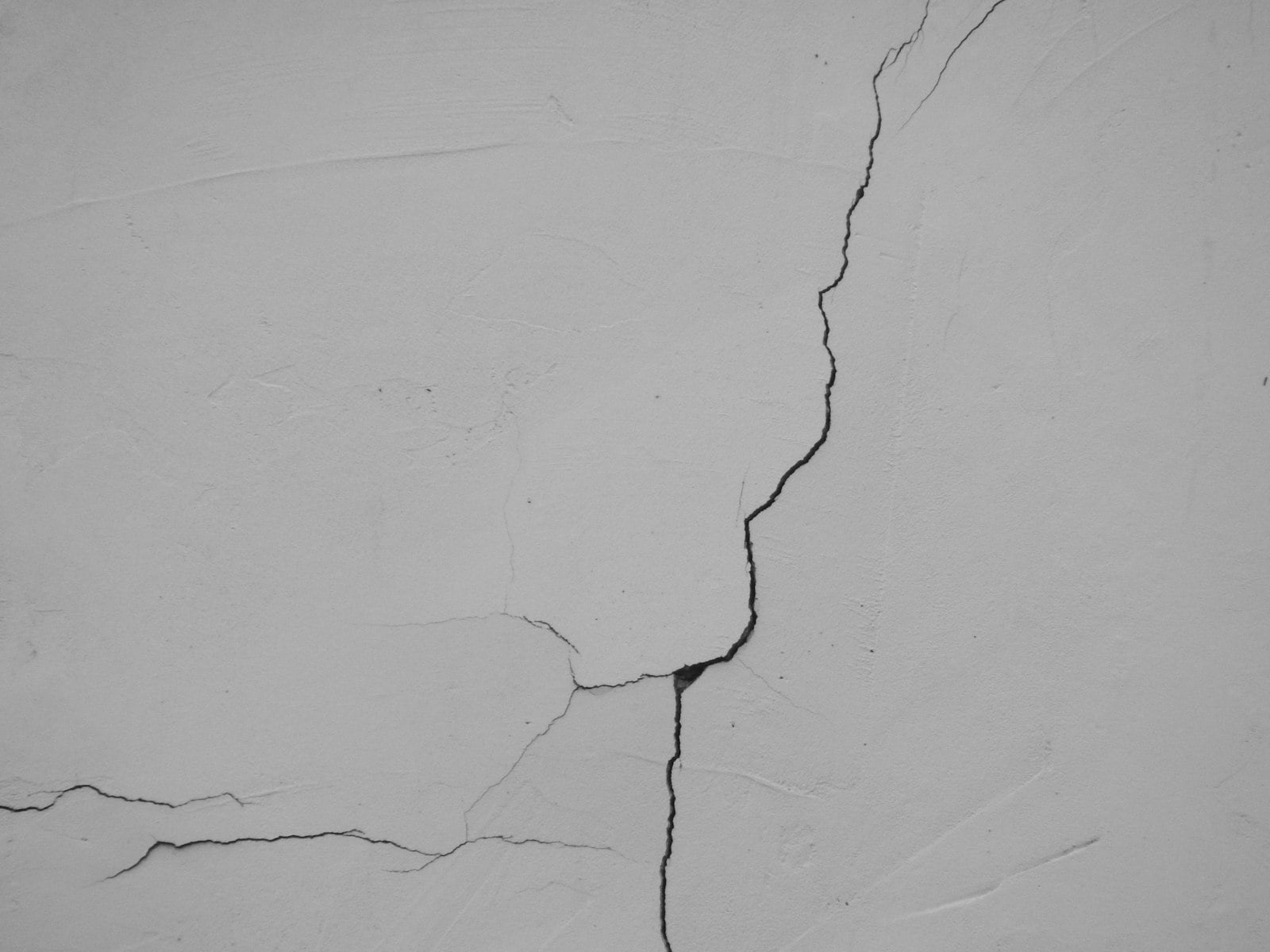
Hairlines above a door frame and stair-step cracks in mortar joints mean different things. The width, direction and where they stop all matter.
Which cracks matter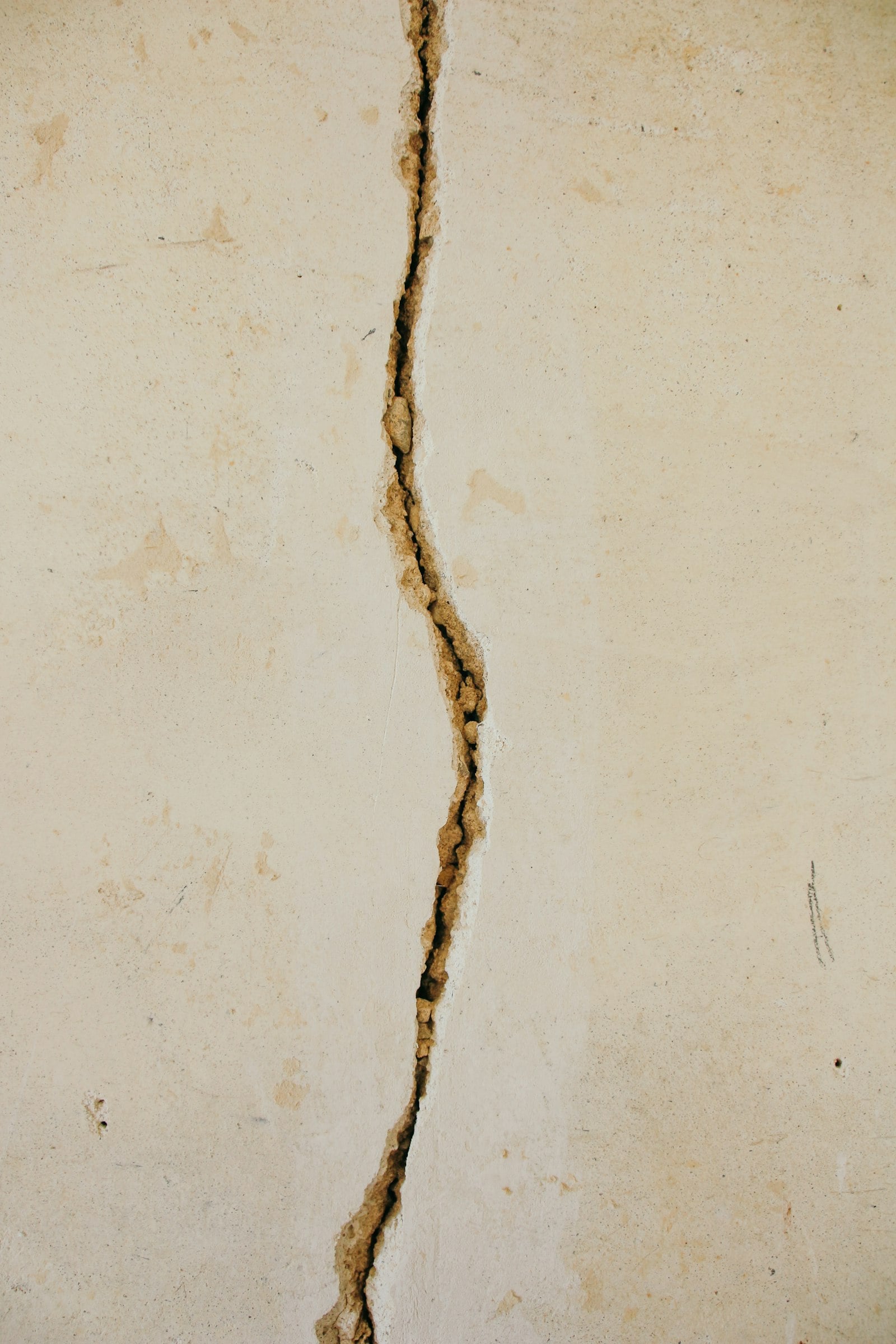
A marble that rolls the same way in every room is worth taking seriously. An independent provider should map the floor with elevation readings before recommending anything.
Floor levelingSeparation at crown molding, a gap opening above a window or a garage frame pulling away from the brick all point to one part of the house moving relative to another.
Ask for an inspectionA visible gap between the dirt and the slab edge in August means the clay has shrunk. Steady watering through a dry spell is the cheapest thing you can do.
How to water a slabMovement that has stopped is a different problem from movement that is still going. That is the question an inspection is meant to answer.
Fix now or waitDescribe which doors stick, where the cracks are and when you first noticed them. Photos help, and so does knowing whether it started after a dry summer.
The independent provider confirms the address and a time when someone can walk the house with the inspector. Access to the perimeter, the crawl space hatch and the garage helps.
Ask the provider for the elevation readings, what they mean, and the options in writing, including the option of waiting and watching if that is the honest answer.
If you go ahead, agree the scope, pier locations, cleanup and any warranty terms with the provider in writing before anyone digs. Nothing should start on a handshake.
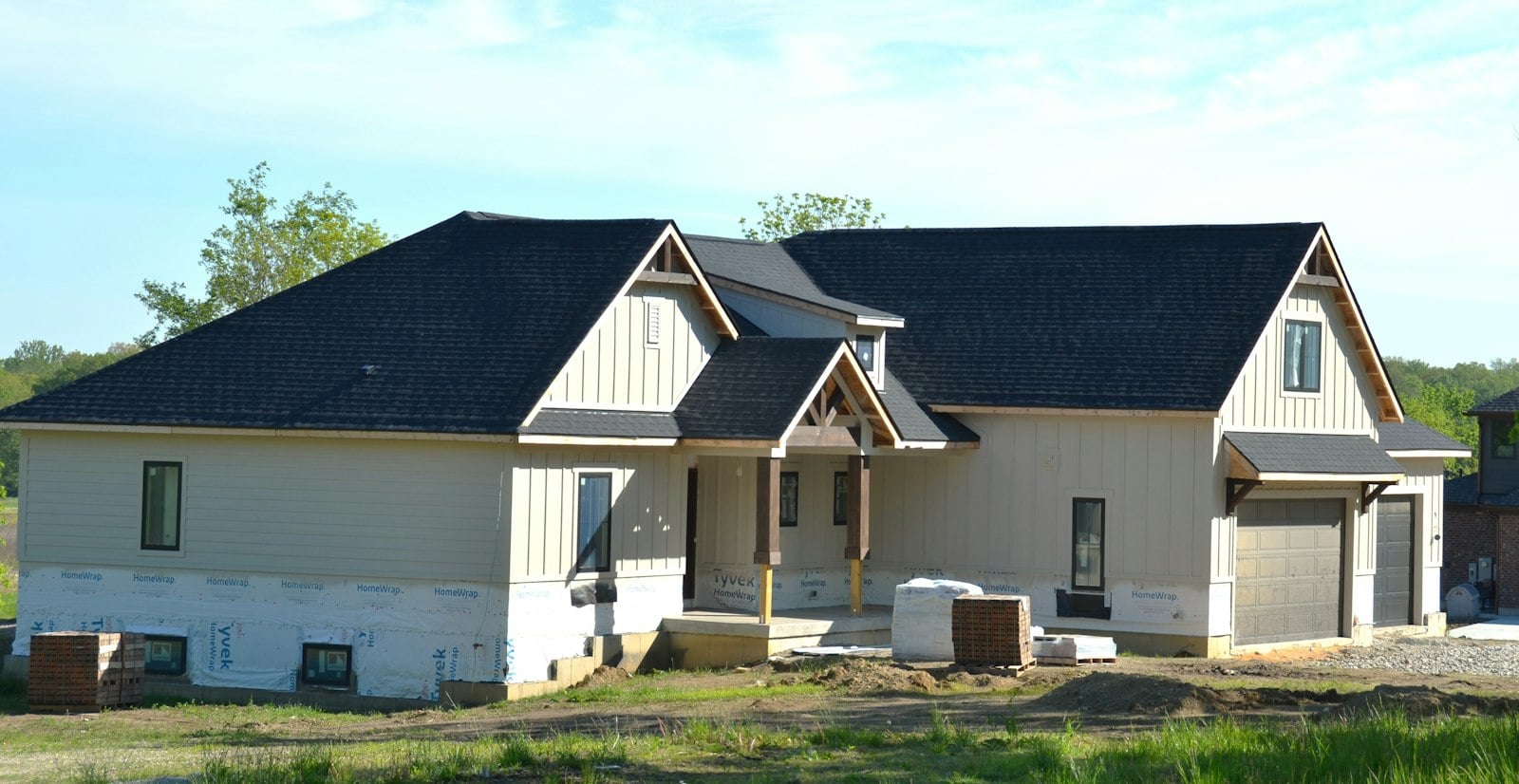
Farmland turned into subdivisions in a hurry, on some of the deepest clay in Williamson County.
View Hutto service
New rooftops along US-290 sitting on young slabs, plus an old town center with much older houses.
View Manor serviceThe clay here was good enough to build a brick industry on. It is just as active under a slab.
View Elgin serviceA 1980s MUD community where the original slabs and the original trees have grown up together.
View Wells Branch service
Century-old pier and beam houses near downtown and brand new slabs on the edge of town.
View Taylor serviceLimestone on the west side of I-35, clay on the east, and a large retirement community on both.
View Georgetown serviceSlab houses from the 1970s through the 1990s with mature trees close to the foundation.
View North Austin service
Thirty years of subdivisions across the line where deep clay gives way to shallow soil over rock.
View Round Rock serviceLimestone close to the surface, clay in pockets and a lot of pads cut and filled into a slope.
View Cedar Park serviceThere is no honest figure before someone measures your floor. The number comes from the pier count, the pier type, how deep each one has to go and how hard the locations are to reach, plus any drainage work. Ask the independent provider for a written, itemized quote after the inspection, before you authorize work. See what the inspection covers.
Usually doors that start catching, diagonal cracks from the corners of door and window frames, stair-step cracks in brick mortar joints, and floors that feel like they fall away toward one wall. What matters is whether those signs keep getting worse across seasons. Read the warning signs guide.
Both are common here, and the difference is whether the movement is still active. Elevation readings across the floor plus a record of when cracks changed will tell you. An honest inspection sometimes ends with no repair recommended at all. Ask about an inspection.
Pflugerville Foundation Repairs connects callers in Pflugerville and nearby towns including Hutto, Manor, Elgin, Wells Branch, Taylor, Georgetown and North Austin with independent providers. Availability depends on the provider and the address. See the full service area.
Neither is automatically better. Pressed concrete pilings are the common residential choice and usually cost less per location; steel pipe piers generally reach deeper and suit heavier loads. The right one depends on your soil, loads and access. Compare pressed concrete and steel piers.
Blackland Prairie clay swells when it takes on water and shrinks when it dries, and the volume change is large. Drought summers followed by wet winters move the soil under one part of a house more than another, and the slab follows. See how drainage steadies soil moisture.
Yes, steadily rather than heavily. A soaker hose about twelve to eighteen inches out from the slab edge on a timer keeps moisture consistent, which is the goal. Check current local water restrictions first. Read how to water a foundation properly.
Direction and change matter more than length. Hairlines in fresh concrete or new drywall are usually normal; stair-step cracks in brick, horizontal cracks, cracks with a lip between the two sides and anything that widens across seasons deserve measuring. See which cracks matter.
A short run of exterior piers is often a matter of days, while larger jobs with interior work take longer, and rain stops excavation. Ask the independent provider for a schedule with the quote and which rooms are affected. See how the process works.
Warranty terms, if any, are set by the independent provider and vary a lot, so read them rather than assuming. Ask what is covered, how long it runs, what voids it and whether it transfers to a buyer, and get all of that in writing with the quote. See what a pier quote should state.
Call, describe the house, and get connected with an independent provider.