Which Foundation Cracks Matter
Not every crack means the foundation is failing, and some small ones matter more than big ones. Pflugerville Foundation Repairs explains how to read cracks in drywall, brick and concrete in a Pflugerville house, and which ones are worth a call.
- Upfront Quotes
- Slab & Pier and Beam
- Residential & Commercial
By the Pflugerville Foundation Repairs team · Updated September 2026
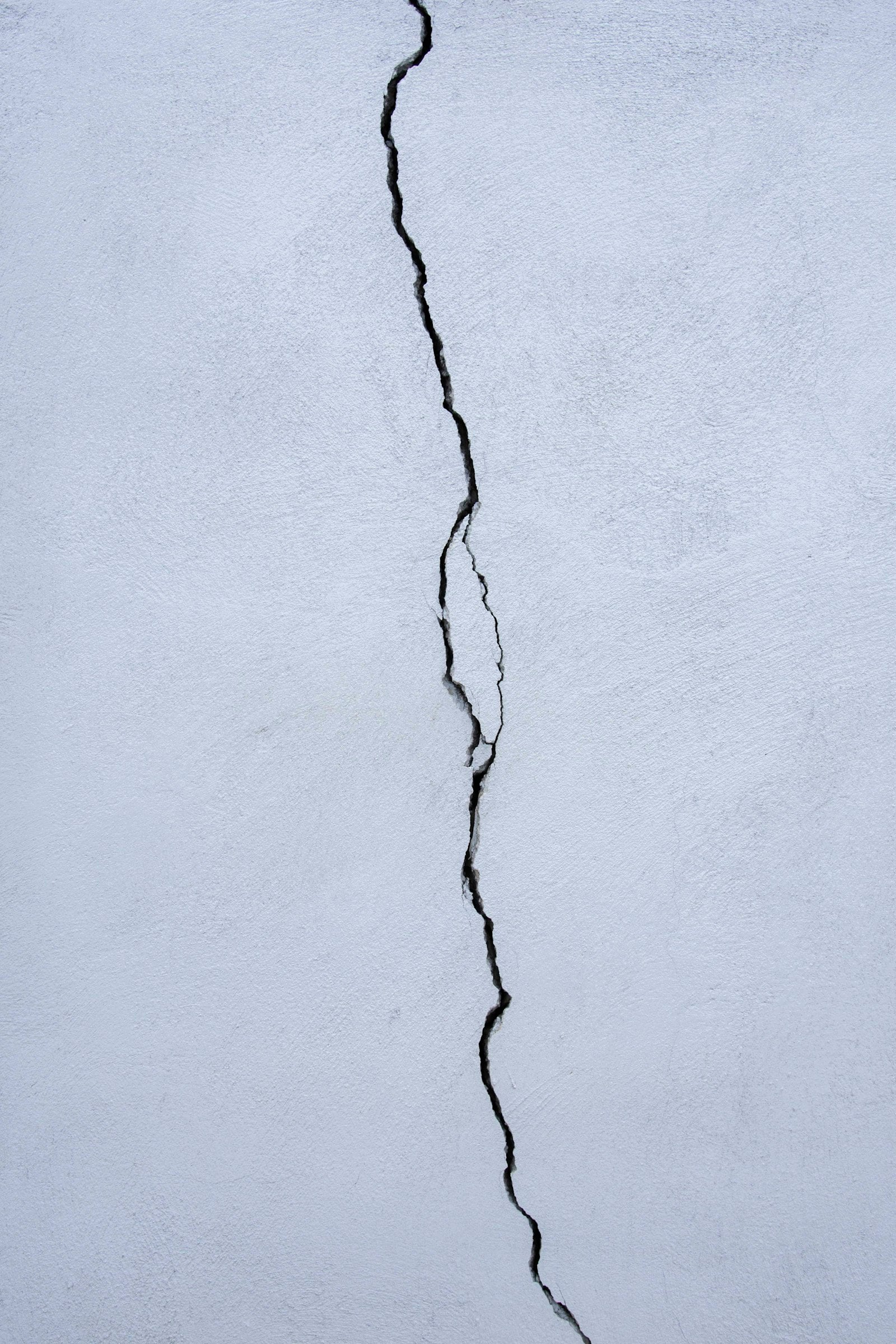
Concrete Cracks. That Is Normal.
Concrete shrinks as it cures, and shrinkage cracks appear in almost every slab ever poured. Hairlines in a garage floor, a spider pattern in a patio, fine lines in a driveway: these are usually just concrete doing what concrete does. They matter when they are more than a hairline wide, when one side has lifted above the other, or when they line up with other symptoms inside the house.
The same goes for drywall. New houses shed a crop of small cracks in the first couple of years as framing dries and settles, typically above door frames and at the corners of windows. That is not a foundation report; it is a house finishing its shrinkage. What makes a drywall crack worth attention is repetition: one that is patched, repainted and comes back in the same place each dry season is telling you the wall keeps moving.
Direction Tells You More Than Length
A vertical crack in drywall is often shrinkage. A diagonal crack running up and away from the corner of a door or window is a stress crack, because that corner is where a wall is weakest and where movement concentrates. Diagonal cracks that appear at several openings along the same wall usually mean that part of the house has dropped or lifted relative to the rest.
Horizontal cracks are the ones to take most seriously, especially in masonry, because they can indicate lateral pressure rather than settlement. In brick, a stair-step crack following the mortar joints is the signature of foundation movement: the wall stays intact but shifts as a block, and the joints give way where they are weakest. A crack straight through the brick units themselves suggests more force than the mortar could absorb.
Width, Lips and Change Over Time
Three things are worth measuring. Width is the obvious one, and anything you can slide a coin into is past the cosmetic stage. A lip, where one side of the crack sits proud of the other, matters even at small widths, because it means two pieces of structure are no longer in the same plane. And change over time is the most informative of all: a crack that has been exactly the same for ten years is history, while one that opened a quarter of an inch over two summers is current.
Measure rather than remember. Mark the ends of the crack with a pencil and write the date, or photograph it with a coin taped alongside for scale, then repeat every few months. Homeowners consistently over-estimate how much a crack has grown, and just as often miss slow widening. The record settles it.
Cracks That Are Not About the Foundation
Plenty of cracking has other causes. Ceiling cracks along a joist line are often truss uplift, a seasonal effect in attics where temperature and humidity change. Fine crazing in stucco or plaster is usually surface behavior. A crack at the joint between an older house and a later addition normally reflects two structures with different foundations moving independently, which is real but not the same as a failing slab. Nail pops are a framing issue, not a foundation one.
None of this means ignoring them. It means the crack alone is not the diagnosis. Elevation readings across the floor, taken with the crack pattern in hand, are what separate a cosmetic issue from active movement.
Cracks in Pflugerville Houses
Because Pflugerville sits on highly reactive Blackland clay, seasonal cracking is normal background here. In the 1980s and 1990s subdivisions you tend to see stair-step brick cracks near corners where a mature tree has been drying the soil for years. In the newer post-tension slab neighborhoods you tend to see fine drywall cracks above openings while the lot settles and the landscaping establishes. Older houses on piers near the original town center crack differently again, in plaster and at the joints between rooms added in different decades. In the newer subdivisions covered on our Hutto foundation repair page, the great majority of those early cracks turn out to be cosmetic.
When to Stop Watching and Get It Measured
Call someone when cracks are widening across seasons, when several appear along the same wall or at the same end of the house, when a crack has a lip, when doors and floors have changed too, or when you can see daylight or feel a draft. Also call before you patch anything you plan to use as evidence, and before repairing cosmetically if structural work might follow, because the repairs will just move again.
Arrange an Inspection
Pflugerville Foundation Repairs measures floor elevations and reads the crack pattern together, then tells you plainly whether this is a maintenance conversation or a repair one. Learn what the visit covers on the foundation inspection page, read about slab foundation repair if piers have been mentioned to you, compare pressed concrete and steel piers, or request an inspection.