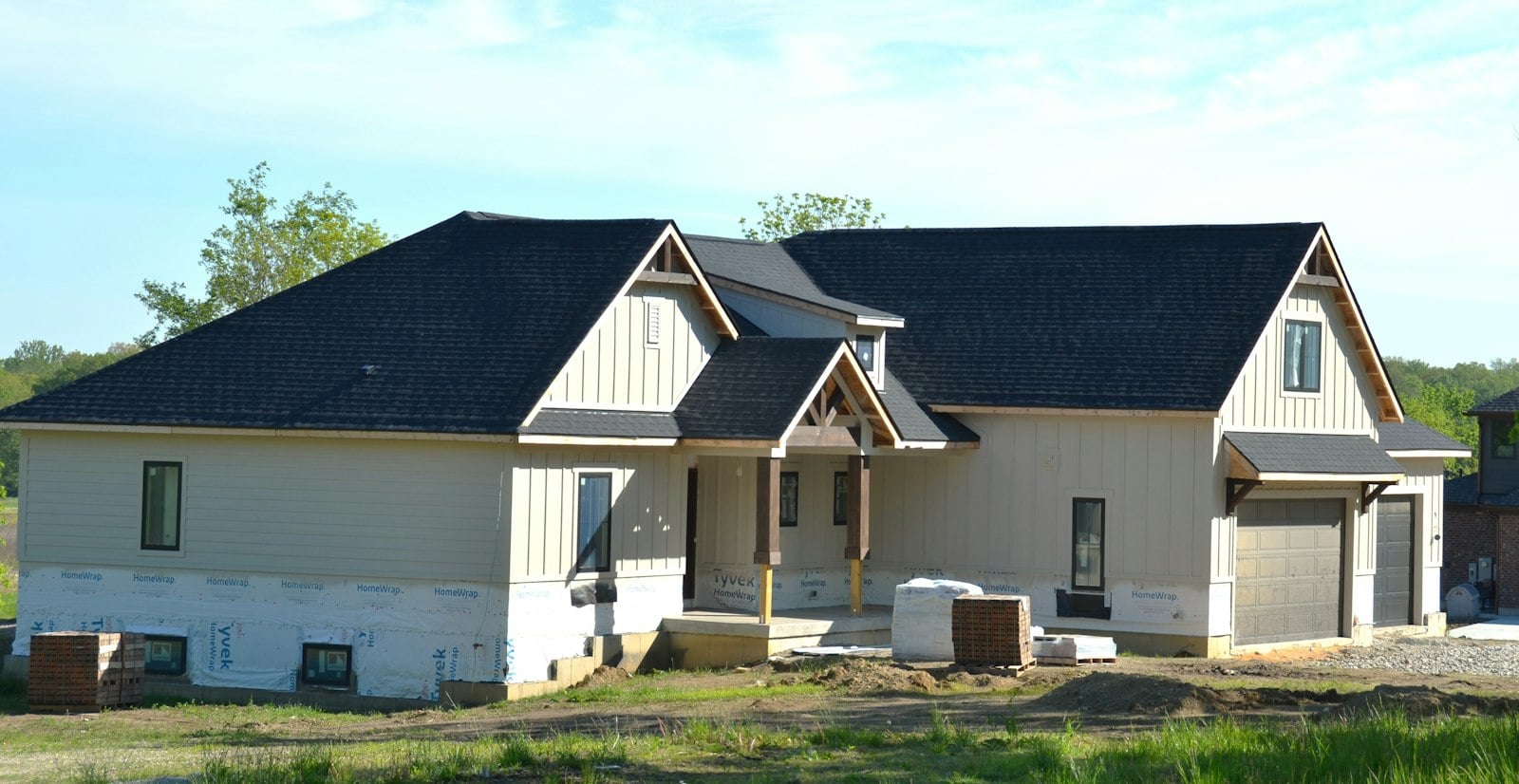
Slab Foundation Repair
Nearly every Hutto house built since 2000 is slab-on-grade, and many are post-tension slabs that need care before anything is cut.
Slab Foundation RepairHutto went from cotton fields to subdivisions in about two decades, and the soil those fields were valued for is the same deep, reactive Blackland clay now sitting under thousands of slabs. An independent provider can inspect houses across Hutto and explain what the movement actually measures.
Nearly every Hutto house built since 2000 is slab-on-grade, and many are post-tension slabs that need care before anything is cut.
Slab Foundation Repair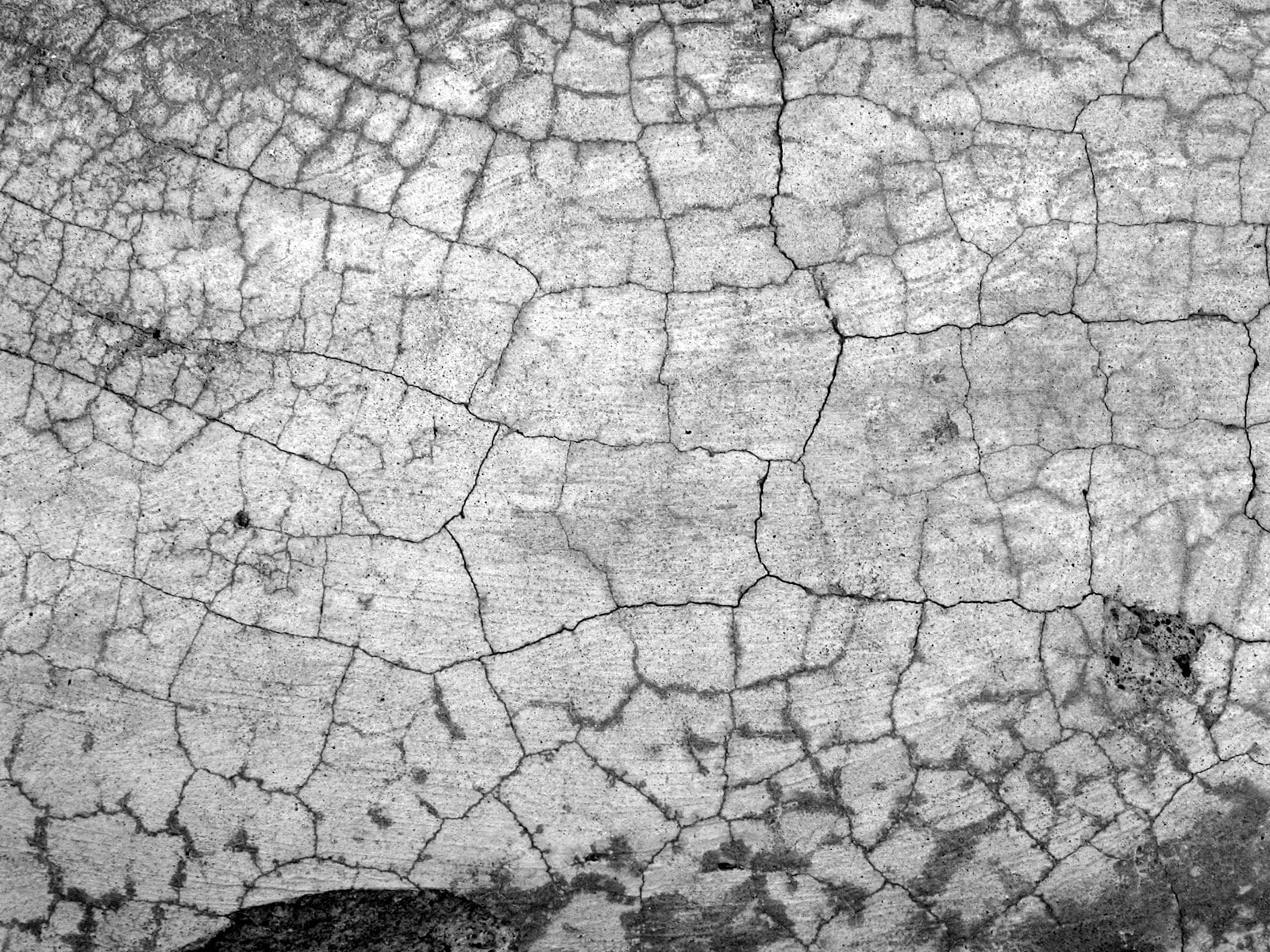
Newer lots are graded tight to the house and young landscaping does not hold moisture evenly. Both show up at the slab edge.
Drainage and Root Barriers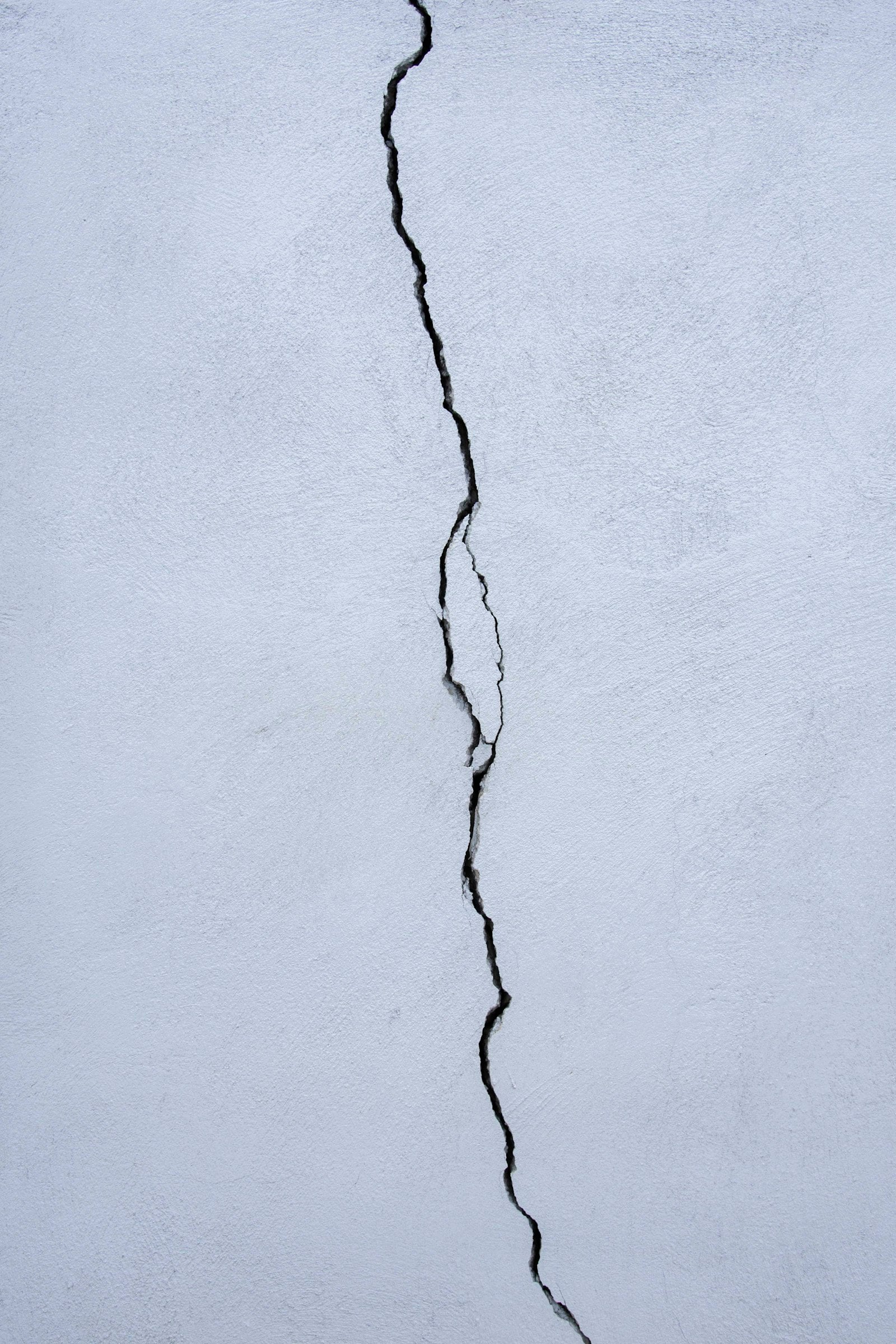
On a house under ten years old, the useful question is whether this is normal settling or something that is still moving.
Foundation InspectionHutto sits on some of the deepest farmland clay in Williamson County, which is precisely why it grew cotton so well and precisely why slabs here move. A few feet of soil that swells after a wet winter and pulls back in a drought summer will lift and drop the edge of a slab, and the effect is strongest where the ground around the house dries unevenly.
Newer neighborhoods have their own pattern. A house three or four years old is still in the period when the builder's backfill is compacting, irrigation habits are being established and the trees are too small to shade anything. That combination produces genuine movement and also a lot of cracks that turn out to be cosmetic. Elevation readings separate the two. Note the build year, whether the lot slopes toward the street or the fence, and whether your irrigation runs on a schedule or only when you remember.
Standard in recent Hutto construction. The cables must be located before any coring or cutting, which changes how interior work is approached.
On a newer house, check what your structural warranty still covers and what the claim process is before paying for repairs yourself.
Bare beds and thin sod let the clay dry out fast in July. A soaker hose on a timer is often the cheapest useful step.
On a newer Hutto house the honest first question is whether anything needs doing at all. Plenty of three-year-old slabs show a hairline over a door frame and measure within a normal range. What matters is a pattern that keeps developing in the same part of the house across two dry seasons, together with readings that show a real difference between rooms.
When piers are recommended, understand what you are being quoted. Our guide to pressed concrete versus steel piers covers how each behaves in this soil. Before that, read whether to fix a foundation now or wait, and if you are just north on US-79, see the older housing stock in Taylor as well. West along SH-45 the ground changes again, which is why Round Rock has its own notes. You can call about an inspection whenever you are ready.
It depends on the pier count, the pier type and how easy each location is to reach, which is why no honest number exists before someone measures your floor. Ask the independent provider for a written quote after the inspection, itemized by pier location, before authorizing work. Plenty of Hutto inspections end with no repair recommended at all.
Pflugerville Foundation Repairs connects Hutto callers with independent providers for inspections and repairs, on slabs and older pier and beam houses. Have the address and the build year ready when you call, and see what an inspection includes on our foundation inspection page.
Timing depends on the independent provider and the property location, and heavy rain affects what can be assessed outside. Call Pflugerville Foundation Repairs to check whether a provider is available for your Hutto address.
No. Lifting any part of a house puts several tons on equipment that has to be properly placed and supported, and a jack that slips on clay soil is dangerous. On a post-tension slab there is the added risk of cutting a tensioned cable. Watching and recording the problem is safe; lifting is not. Call to reach an independent provider instead.
If the readings show only modest movement and there is an obvious water problem, correcting drainage first and watching through a dry summer is often the better order. If the house has already dropped significantly, both happen together, because piers set in soil that keeps flooding and drying are fighting the ground. See drainage and root barriers.
Two reasons that have nothing to do with build quality: the clay here is unusually reactive, and a new lot has disturbed backfill, young landscaping and no mature shade. Moisture around the slab swings hard in the first years. An independent provider should measure rather than guess, and a fair number of those houses turn out to need watering advice rather than piers.
Call, describe the house, and get connected with an independent provider.