Pflugerville Foundation Repair This Fall
Pflugerville foundation repair questions often pick up in fall, after months of heat dry out the clay soil and the first steady rains soak it again. That shrink-and-swell cycle can open cracks, stick doors and shift slabs. This page explains what fall changes, which signs matter, and when to call for an inspection.
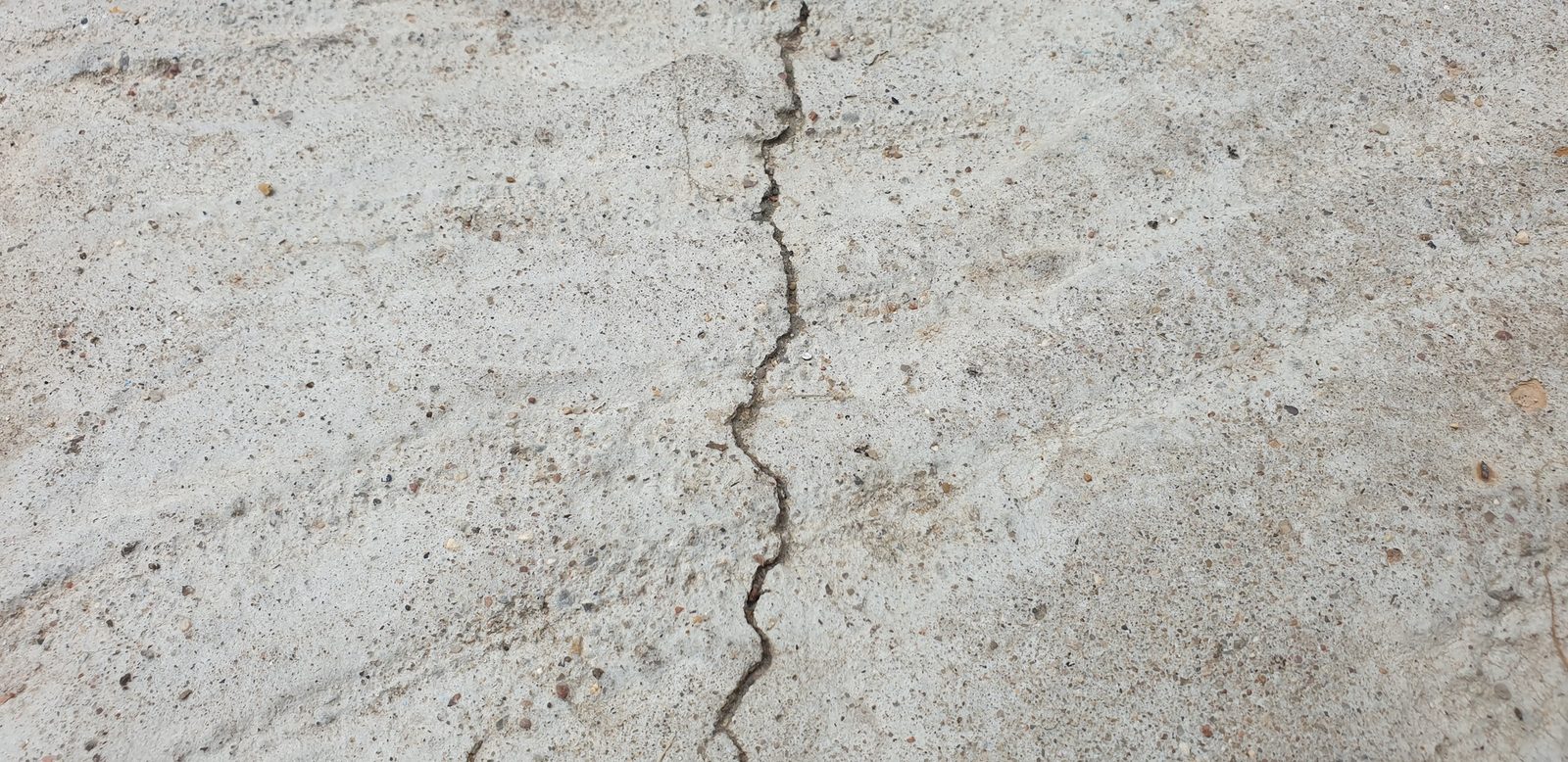
- The Blackland Prairie, with highly expansive clay that shrinks and swells with moisture, runs from north of Dallas south to San Antonio, including parts of the Austin area.
- Houston Black clay can crack 1/2 to 4 inches wide at a 12-inch depth during dry periods, according to USDA NRCS.
- In 2024, 97.9% of new single-family homes in the Texas, Oklahoma, Arkansas and Louisiana census division were built on slab foundations (NAHB).
- Fall is a good time to compare summer damage with how the house reacts once rain returns, before the Austin area's average first freeze around December 1.
- Call to be connected with a local provider who can inspect, explain options and give a written quote before any work.
Why do foundation problems show up in Pflugerville in the fall?
Foundation problems often show up in Pflugerville in fall because the soil has just gone through its biggest swing of the year. Long summer heat dries and shrinks expansive clay under and around the slab. When fall rain returns, that clay takes on water and swells again, and the slab can move unevenly as it does.
The movement is usually slow. Many homeowners first notice it as a door that suddenly sticks, a crack that looks wider than it did in spring, or a gap along a baseboard. None of these signs alone proves a structural problem, but fall is a smart time to look closely and write down what you see. Our guide to foundation warning signs covers the full list.
What does a hot, dry summer do to clay soil under a slab?
A hot, dry summer pulls moisture out of clay soil, and expansive clay shrinks as it dries. The soil can pull away from the edge of the slab and open cracks in the ground. The edges of a slab often lose support first, because they dry faster than the center under the house.
- Perimeter drying: soil near the edges dries out first, so corners and outside walls may settle.
- Uneven support: the center may stay higher than the edges, which can show up as interior cracks or sloping floors.
- Trees and shrubs: roots near the house pull extra water from the soil in summer.
- Drainage: when rain finally comes, poor grading can send water toward one side of the home and swell the soil there faster.
This is why the same house can look fine in April and show new cracks by October.
Which fall signs mean you should call about Pflugerville foundation repair?
Call about Pflugerville foundation repair if you see changes that are new, growing, or showing up in several places at once. One hairline crack in a garage slab is common. Stair-step cracks in brick, doors that no longer latch, and floors that feel sloped are signs worth a professional inspection.
- Stair-step cracks in brick or mortar, especially near corners
- Interior doors that stick, swing open on their own, or no longer latch
- Windows that are hard to open or show gaps at the frame
- Drywall cracks that start at the corners of doors and windows
- Gaps between baseboards, trim or cabinets and the wall or floor
- Cracks in the slab or tile that are wider on one end
If you see severe signs, such as large or fast-growing cracks or walls that look out of line, ask for an inspection by a qualified provider or a structural engineer. You can learn more about foundation crack repair and which cracks tend to matter.
Need help now? Call to be connected with a local provider in Pflugerville who can check availability for your address.
Should you wait until after the fall rains to decide?
Often it makes sense to watch the house through a few weeks of fall rain before deciding on repairs, as long as the signs are minor and not growing quickly. Some cracks close a bit as the soil swells back. Others stay open, which can point to movement that soil moisture alone will not reverse.
Watching does not mean ignoring. A simple record helps a provider see what is happening:
- Take dated photos of each crack with a ruler or coin for scale.
- Mark the ends of interior cracks lightly with a pencil and note the date.
- Write down which doors stick and when it started.
- Note where water collects in the yard after a rain.
If changes keep growing after the soil is wet again, or if anything looks severe, call for an inspection instead of waiting. Our post on fixing the foundation now or later covers this decision in more depth.
Does fall drainage work help protect a Pflugerville slab?
Fall is a practical time to look at drainage around a Pflugerville slab, because rain shows you exactly where water goes. Water that pools against the foundation can swell the soil on one side of the house faster than the rest, which adds to uneven movement.
Things to check after a fall rain:
- Gutters that overflow or downspouts that empty right next to the slab
- Low spots or flower beds that hold water against the foundation
- Soil or mulch that slopes toward the house instead of away
- Large trees planted close to the home
A local provider can look at grading, gutters and root issues and explain options such as drainage correction and root barriers. Drainage work does not replace repair when a slab has already moved, but it can be part of a long-term plan. For steady soil moisture during dry months, see how to water your foundation in Texas.
What happens during the visit?
A foundation visit starts with an inspection of the inside and outside of the home. The provider looks at cracks, doors, windows and drainage, and often takes floor elevation readings to see how the slab has moved. Then they explain what they found and which options fit your house.
- Inspection: a walk-around outside, a look at interior cracks and doors, and elevation measurements across the floor.
- Options explained: this may include monitoring, drainage changes, slab leveling or piers, depending on what the readings show.
- Written quote: you should get a written quote that lists the scope of work before anything starts.
Bring your dated photos and notes from the summer and fall. They help show whether the movement is seasonal or ongoing. If you would like a closer look at the visit itself, see the foundation inspection page.
What repair options are common for slab homes after a dry summer?
Common options for slab homes after a dry summer include monitoring, drainage correction, and leveling with piers when the slab has settled. Which one fits depends on how much the slab has moved, where, and whether the movement is still active. A provider should explain why they recommend one approach over another.
- Monitoring: for minor, seasonal movement, the provider may suggest rechecking later.
- Drainage and root work: to reduce uneven moisture swings under the slab.
- Leveling with piers: to support and lift settled areas, often with pressed concrete or steel piers.
For more detail, see slab foundation repair and our comparison of pressed concrete vs. steel piers.
What makes fall foundation movement common around Pflugerville?
Pflugerville sits in a part of Central Texas where soil and weather both push slabs to move. A few sourced facts help explain why:
- Expansive clay: the Blackland Prairie stretches from north of Dallas south to San Antonio, and its Houston Black clays "shrink and swell markedly with changes in moisture content," according to a USDA NRCS sheet hosted by the Texas Water Development Board.
- Deep summer cracks: NRCS describes Houston Black soil cracking 1/2 to 4 inches wide at 12-inch depths during dry periods.
- Long, hot summers: Austin's record high is 112°F, and in 2011 Austin had 90 days of 100°F or higher, per the National Weather Service.
- Mostly slab homes: NAHB reports 97.9% of new single-family homes in the West South Central census division were built on slab foundations in 2024.
- Winter is next: the average first freeze at Austin's Camp Mabry is December 1 (1991-2020), so fall is a good window to check the house before cold weather.
These conditions are not limited to one neighborhood. Homeowners in Pflugerville, Hutto, Manor, Wells Branch and Round Rock see the same seasonal patterns. Soil varies from lot to lot, so only an inspection can tell you what is happening under your home.
Related pages
Questions people ask
Is fall a good time for Pflugerville foundation repair?
Yes, fall is often a good time to look at Pflugerville foundation repair, because summer damage is easy to see and the soil starts to regain moisture. An inspection then shows how the house reacts once rain returns.
Why did new cracks show up in my house after the summer in Pflugerville?
New cracks after summer usually come from clay soil shrinking as it dries in the heat. When the soil under the slab loses moisture unevenly, parts of the foundation can settle and cause cracks in drywall, brick or tile.
Can foundation cracks close up on their own after it rains?
Some can, at least partly. As expansive clay takes on water and swells, minor cracks may narrow. Cracks that stay open or keep growing after the soil is wet again are worth an inspection.
How do I know if a foundation crack is serious?
A crack is more concerning if it is wider than a hairline, wider at one end, growing over time, or paired with sticking doors and sloped floors. Stair-step cracks in brick are also a common warning sign.
Should I wait until spring to get my foundation looked at?
Waiting is reasonable only if signs are minor and not changing. If cracks are growing, doors are getting worse, or anything looks severe, call for an inspection now rather than waiting months.
Does clay soil in the Austin area really move that much?
Yes. The Blackland Prairie clays found in parts of the Austin area shrink and swell markedly with moisture, and USDA NRCS describes Houston Black soil cracking 1/2 to 4 inches wide during dry periods.
Are newer slab homes in Pflugerville safe from foundation problems?
No home is immune. Newer slab homes can still move if the clay under them dries and swells unevenly, especially with poor drainage or trees close by. Age alone does not decide it.
What should I do before calling about foundation repair?
Take dated photos of cracks with a coin or ruler for scale, list which doors stick, and note where water pools after rain. These notes help a provider understand what changed.
Does watering my foundation in summer prevent damage?
Steady soil moisture may help reduce extreme drying, but watering is not a proven way to prevent foundation damage. Treat it as one part of good home care, not a fix.
What happens during a foundation inspection?
The provider checks the outside and inside of the home, looks at cracks and doors, and usually takes floor elevation readings. Then they explain options and give a written quote before any work.
Will I get a written quote before foundation work starts?
You should. Ask for a written quote that lists the scope of work before anything begins, and ask questions about anything that is not clear.
Does homeowners insurance pay for foundation repair in Texas?
It depends on your policy. The Texas Department of Insurance lists damage to foundations or slabs as an optional endorsement, so check your own policy and document everything before you call.
When should I call a structural engineer instead of waiting?
Call for a qualified inspection or a structural engineer if cracks are large or growing fast, walls look out of line, or doors and windows suddenly stop working. Do not wait on severe signs.
Can I sell my Pflugerville house if the foundation has moved?
Yes, homes with foundation movement are sold, but buyers and their inspectors will likely ask about it. An inspection and a written quote help you understand your options before you list.
Is foundation movement worse in Pflugerville than in Round Rock or Hutto?
Not necessarily. Pflugerville, Round Rock, Hutto and Manor share similar Central Texas weather, and soil varies lot by lot. Only an inspection can tell you what is happening under your home.
How do I get connected with a foundation provider in Pflugerville?
Call the number on this page to be connected with a local foundation provider in Pflugerville who can check availability for your address and explain the next step.
Talk to someone about your foundation problem
Call to be connected with a local provider who can check availability for your address and explain the next step.