Foundation Settlement Repair in Pflugerville
Foundation settlement repair in Pflugerville starts with one question: why did part of the house sink? Settlement happens when the soil under a slab or pier shrinks, softens or washes away. A provider measures how far the foundation dropped, finds the cause, and explains options such as drainage changes, piers or leveling.
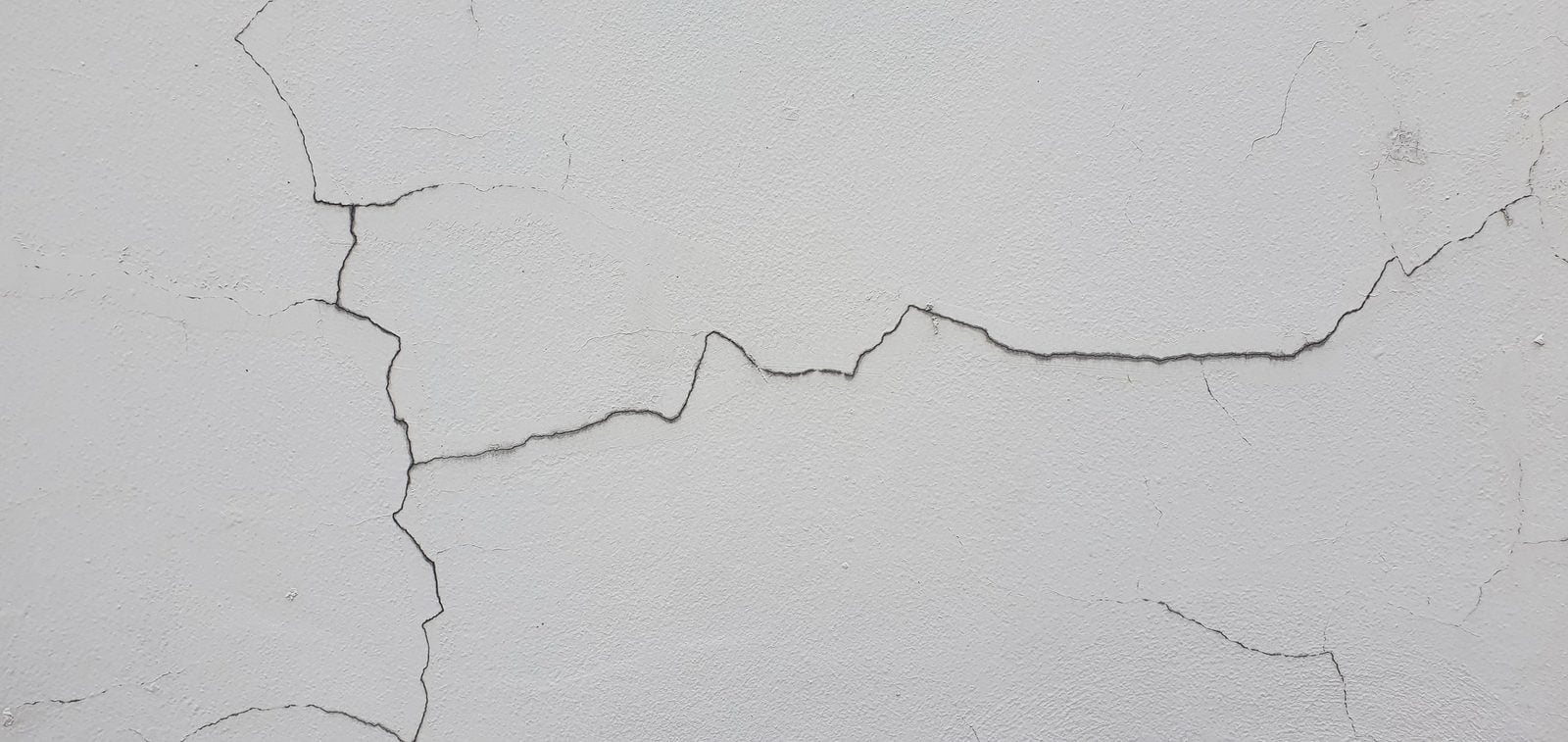
- Settlement means part of a foundation has moved down. Heave means part has been pushed up by swelling soil. Expansive clay can cause both.
- Common signs of settlement are a floor that slopes toward one corner, doors that stick or swing on their own, and stair-step cracks in brick near a low spot.
- Repairs usually address both the cause (drainage, leaks, trees) and the support (piers or leveling), because lifting a slab without fixing the cause rarely lasts.
- Blackland Prairie clays found in parts of the Austin area shrink and swell markedly with changes in moisture content, so slabs here move with the weather.
- Call (512) 325-3481 to be connected with a local provider who can inspect, explain options and give a written quote before any work.
What is foundation settlement repair?
Foundation settlement repair is work that stops a sinking section of a foundation from dropping further and, when possible, brings it back closer to level. It usually pairs new support under the low area, such as piers, with fixes to whatever caused the soil to give way in the first place.
Every house settles a little after it is built as the soil under it compresses. That early, even settling is normal. The problem is differential settlement, when one corner or one side drops more than the rest. That uneven drop is what bends a slab, racks door frames and cracks brick, and it is what settlement repair targets.
Why do homes settle on Pflugerville clay?
Homes settle on Pflugerville clay mainly because the soil loses moisture and shrinks. When expansive clay dries out during long, hot summers, it pulls away from and under the edges of a slab, and the part of the house sitting on that dried soil can drop.
Other common causes include:
- Poorly compacted fill: soil brought in to build up a lot can keep compressing for years if it was not compacted well.
- Plumbing leaks: a leaking pipe under or beside the slab can soften soil in one spot, or wash fine soil away.
- Drainage problems: downspouts that dump water at the wall, or yards that slope toward the house, create wet and dry zones side by side.
- Trees: large trees close to the house can draw a lot of water out of the soil under a corner during dry months.
Uneven moisture is the common thread. The guide to watering your foundation covers how soil moisture around a slab changes through the year.
How is settlement different from heave?
Settlement is downward movement, where part of the foundation sinks because the soil under it shrank or compressed. Heave is upward movement, where swelling clay pushes part of the slab up. On Pflugerville clay, both can happen to the same house, sometimes in different seasons or on different sides.
The difference matters because the repair is different:
- Settlement: the low area often needs added support, such as piers driven or pressed to firmer soil, and then careful lifting.
- Heave: the high area cannot simply be pushed back down. The work usually centers on finding the water source, often a leak or a drainage problem, and stabilizing moisture so the soil calms down.
Treating heave as settlement can make things worse, so a floor elevation survey and a leak check are a normal part of a good diagnosis.
Need help now? Call to be connected with a local provider in Pflugerville who can check availability for your address.
What are the signs of foundation settlement?
The signs of foundation settlement usually cluster around one low area of the house. Look for a floor that slopes toward a corner, doors that stick or will not latch, and cracks that are wider at one end. When several signs point to the same spot, settlement is a likely cause.
- Interior doors that drift open or closed, or that rub at the top corner.
- Gaps between baseboards and the floor, or between cabinets and the wall.
- Stair-step cracks in brick or mortar near one corner.
- A porch, patio or garage slab pulling away from the house.
- Windows that are hard to open on one side of the house.
This site already has detailed guides on foundation warning signs and on which foundation cracks matter. Note where your signs cluster; that helps an inspector separate settlement from heave.
What foundation settlement repair options might a provider discuss?
A provider may discuss several foundation settlement repair options, depending on how far the house has dropped, what caused it and what type of foundation it has. The options range from monitoring and drainage work to piers and leveling. Most plans combine fixing the cause with adding support.
- Monitoring: for minor, stable movement, tracking elevations over time before deciding on repair.
- Drainage correction and root barriers: gutters, extensions, grading or barriers that even out soil moisture. The drainage and root barriers page explains these.
- Leak repair: if a plumbing test finds a leak under the slab, that is usually handled first.
- Piers and underpinning: pressed concrete, steel or helical piers that carry the low section down to firmer soil.
- Leveling: lifting the settled area back closer to level once support is in place.
- Pier and beam adjustments: for raised homes, re-shimming or replacing supports in the crawl space.
No single method suits every house. Ask why a provider recommends a method for your home specifically, and how the plan addresses the cause.
Does a settled slab always need piers?
No, a settled slab does not always need piers. If the movement is small, has stopped, and the cause can be corrected, a provider may suggest drainage changes and monitoring first. Piers are usually discussed when the drop is significant, still active, or affecting doors, walls and plumbing.
The answer turns on how far the low area is out of level, whether it is still moving, and whether a clear cause, like a leak, has been fixed.
When the signs are severe or the opinions you get disagree, an independent structural engineer can review the house. An engineer evaluates the structure and writes a report rather than selling the repair.
Can foundation settlement be stopped without lifting the house?
Sometimes foundation settlement can be stopped without lifting the house. When the cause is moisture related, evening out the soil moisture with drainage fixes, leak repair or root barriers can slow or stop further sinking. The house may stay slightly out of level, but the movement can settle down.
Lifting is a separate decision. Some owners choose to stabilize first and only lift if doors, floors or finishes keep being a problem. A provider can explain the trade-offs, including the chance that lifting reopens some drywall or tile cracks.
What happens during the visit?
During the visit, the provider inspects the house inside and out, measures floor elevations to map the low areas, and looks at drainage, trees and any signs of leaks. Then they explain whether the pattern looks like settlement, heave or both, walk through the options, and give a written quote before any work starts.
- Inspection: a walk-around, a look at cracks, doors and windows, and an elevation survey of the floors.
- Options explained: what is causing the movement and which approaches fit, from drainage work to piers and leveling.
- Written quote: the scope listed item by item, so you can compare and ask questions.
Before the visit, write down when you first noticed each sign and gather any older inspection reports. The foundation inspection page covers what an inspection includes.
Why is foundation settlement common around Pflugerville and Hutto?
Foundation settlement is common around Pflugerville and Hutto because many homes sit on expansive clay that shrinks hard in dry, hot weather, and nearly all new homes in the region are built on slabs that rest directly on that soil. A few sourced facts explain the local conditions:
- Expansive clay: the Blackland Prairie runs from north of Dallas south to San Antonio, and its Houston Black clays "shrink and swell markedly with changes in moisture content," according to a USDA NRCS sheet hosted by the Texas Water Development Board.
- A known building limitation: NRCS says the very high shrink-swell potential of these soils commonly is a limitation affecting building site development in metro areas.
- Deep cracks when dry: the NRCS official description of Houston Black soil reports cracks 1/2 to 4 inches wide at 12-inch depths during dry periods.
- Long heat waves: in 2011 Austin had 90 days of 100°F or higher, according to the National Weather Service.
- Mostly slab homes: NAHB reports that 97.9% of new single-family homes in the West South Central census division were built on slab foundations in 2024.
Homes in Pflugerville, Hutto, Wells Branch, Manor and Round Rock share these conditions, though soil can change from one lot to the next. Call (512) 325-3481 to be connected with a local provider who can check whether your house has settled.
Related pages
Questions people ask
What does foundation settlement repair in Pflugerville usually involve?
It usually involves finding the cause of the sinking, correcting it, and adding support under the low area. Depending on the house, that can mean drainage fixes, leak repair, piers, leveling or a mix.
How do I know if my house is settling or if the ground is heaving?
You usually need a floor elevation survey to tell for sure. Settlement shows a low area that dropped, while heave shows a high spot pushed up, often near a leak or a wet zone.
Is it normal for a new house in Pflugerville to settle?
A small amount of even settling is normal in new homes. Uneven settling that causes sticking doors, sloping floors or growing cracks is not, and it should be checked.
Why does my floor slope toward one corner of the house?
A floor that slopes toward one corner often means that corner has settled. Dry clay, a leak or poor drainage near that corner are common causes worth checking.
Can foundation settlement get worse over time?
Yes, it can if the cause is still active. A leak, a drainage problem or soil that keeps drying out can keep the low area sinking until the cause is addressed.
Does clay soil cause foundation settlement in Central Texas?
Yes, expansive clay is a major cause in Central Texas. It shrinks as it dries and swells when wet, so slabs resting on it can drop in dry spells and lift after heavy rain.
Will watering around my foundation stop it from settling?
Watering may help keep soil moisture more even, but it is not a sure fix on its own. Fixing drainage and leaks matters as much, and a settled area may still need support.
Can a plumbing leak under my slab make my house settle?
Yes, a leak can soften soil or wash it away in one spot, letting that part of the slab sink. A leak can also cause heave in clay, which is why a leak check is often part of the diagnosis.
Is foundation settlement dangerous?
Most settlement develops slowly, but no article can say a specific house is safe. If you see severe signs, like doors that will not close or walls that bow, get a qualified inspection or a structural engineer quickly.
Is pier and beam settlement repaired differently than slab settlement?
Yes. Pier and beam homes are often adjusted from the crawl space by re-shimming or replacing supports, while slabs usually need piers placed under the low area and careful lifting.
What should I ask before agreeing to a foundation settlement repair plan?
Ask what caused the settlement, how the plan fixes that cause, and why the chosen method suits your house. Also ask for the elevation readings and a written, itemized quote.
Should I get a structural engineer for foundation settlement?
An engineer is a good idea when the signs are severe, when repair opinions disagree, or when you are buying or selling. They give an independent report rather than selling the repair.
Can I sell my house in Pflugerville if the foundation has settled?
Yes, but buyers' inspectors will likely notice. Many sellers get an inspection or engineer's report first so they can share clear information and decide whether to repair before listing.
Why did my foundation start settling after a dry summer?
Dry summers pull moisture out of clay, and the soil shrinks under the edges of the slab. Around Pflugerville, long stretches of heat can make that shrinkage deeper than usual.
Do houses in Hutto and Round Rock settle the same way as in Pflugerville?
Many do, because they share similar clay soils and slab construction. Soil can still vary from lot to lot, so each house needs its own inspection.
How do I get help with foundation settlement repair in Pflugerville?
Call (512) 325-3481 to be connected with a local provider. They can inspect the house, explain your options and give a written quote before any work.
Talk to someone about your foundation problem
Call to be connected with a local provider who can check availability for your address and explain the next step.