Foundation Warning Signs to Watch
Most foundation problems announce themselves long before anything dramatic happens. Pflugerville Foundation Repairs explains which signs are worth acting on in a Pflugerville house, which ones are normal, and what to write down while you decide.
- Upfront Quotes
- Slab & Pier and Beam
- Residential & Commercial
By the Pflugerville Foundation Repairs team · Updated September 2026
Start With the Doors
Doors are the most sensitive instrument in your house. A door frame is built square, and it stays square only as long as the wall around it does. So when an interior door that closed cleanly for years starts catching at the top corner, or the front door needs a shoulder in August and swings free again in February, the frame is being pushed out of shape by something.
The seasonal version of that is common here and not automatically a crisis. Central Texas clay swells in a wet winter and shrinks in a drought summer, and a house can rock gently through that cycle for decades. What matters is whether the sticking gets worse each year, whether it affects several doors at the same end of the house, and whether it now fails to come back in the wet season. That last one is the important signal: movement that no longer reverses is movement that has gone somewhere.
Cracks: Where, Not How Long
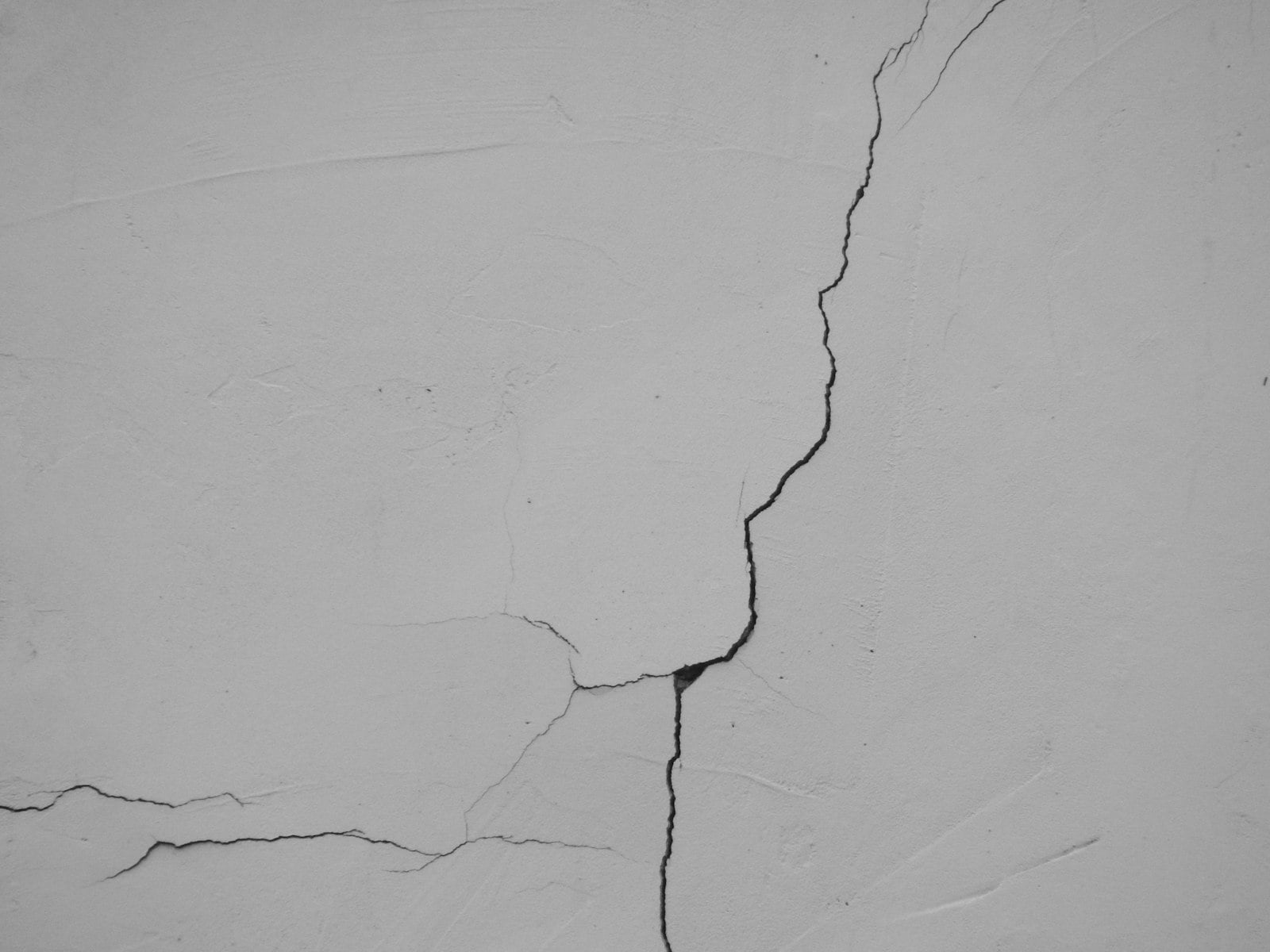
People instinctively measure crack length. Location and direction tell you far more. A hairline running straight up from the corner of a door or window frame is the classic stress point, because that corner is the weakest part of the wall. A stair-step crack following the mortar joints in brick means the wall has moved as a unit, which is structurally more interesting than a crack through a single brick.
Horizontal cracks and cracks that are wider at one end than the other deserve attention sooner. So does any crack that has a lip, where one side sits proud of the other, because that means two parts of the structure have moved out of plane rather than just separated. Our guide to which foundation cracks matter goes through this in more detail.
Floors That Have Stopped Being Flat
Slope is harder to notice than you would expect, because people adjust to it. The usual first clues are indirect: a chair that rocks in one spot, a rug that creeps toward the same wall, a gap under a kitchen cabinet that was not there before, or grout lines cracking in a straight run across a tiled floor. The marble test is crude but genuinely useful, and if a ball rolls the same direction in more than one room it is worth measuring properly.
On a pier and beam house the signs are different again: bounce when you walk across a room, squeaks that have got worse, gaps opening between the baseboard and the floor. Those point under the house rather than into the walls, and are covered on our pier and beam repair page.
The Outside of the House
Walk the perimeter every few months. Look for a gap opening between the soil and the slab edge, which tells you the clay has shrunk away from the foundation. Check where the downspouts empty, because roof water dumped at a corner soaks that patch of clay while the rest of the lot dries. Look at the brick joints, at the seal where the garage frame meets the wall, and at any point where an addition joins the original structure, since that joint is usually the first to open.
Also look for water. A patch of ground that stays damp with no rain to explain it, or a water bill that crept up without a change in habits, can point to a plumbing line leaking under the slab, and that keeps one area of clay permanently wet. It moves a foundation just as effectively as drought does, and it is far cheaper to find with a pressure test than to discover after piers have been installed.
What to Write Down
Keep a short record. Note the date you first saw each sign, take a photo with something for scale next to the crack, and repeat the photo every few months from the same spot. Note whether the house has been through a dry summer since you noticed it. If there has been previous foundation work, find the paperwork. That record turns "I think it is getting worse" into evidence, and it is the single most useful thing a homeowner can bring to an inspection.
Signs in Pflugerville Houses
Pflugerville sits on Blackland Prairie clay with strong shrink-swell behavior, so this is normal background here rather than a sign of poor building. Houses in the 1980s and 1990s subdivisions have been through several severe droughts and now have mature trees close to the walls. Newer post-tension slabs in the growth areas off SH-45 and SH-130 are still settling in with young landscaping and disturbed backfill. Both patterns produce cracks; the difference is whether the readings show real movement. The same combination shows up just south in the older slab neighborhoods covered on our North Austin foundation repair page.
Arrange an Inspection
If the signs are getting worse across seasons, or several of them are appearing in the same part of the house, get elevation readings taken rather than guessing. Pflugerville Foundation Repairs can measure the floor and give you the numbers in writing, including the answer "nothing needs doing yet" where that is what the readings show. Read what the visit covers on the foundation inspection page, see how drainage and root barriers address the cause, or request an inspection for your address.