Helical Piers Foundation Repair in Pflugerville
Helical piers foundation repair is one way to support a settling slab in Pflugerville by screwing steel shafts with helix plates down into firmer soil. It is not the right answer for every home. This page explains how helical piers work, how they compare with other piers, and when to call for an inspection.
- Helical piers are steel shafts with screw-like plates that are turned into the ground, then tied to the foundation to support it.
- They are one of several pier types, along with pressed concrete piers and push piers. A provider should explain why one fits your home better.
- The Blackland Prairie, with highly expansive clay that shrinks and swells with moisture, runs from north of Dallas south to San Antonio, including parts of the Austin area.
- In 2024, 97.9% of new single-family homes in the Texas, Oklahoma, Arkansas and Louisiana census division were built on slab foundations (NAHB).
- Call to be connected with a local provider who can inspect, explain options and give a written quote before any work.
What is helical piers foundation repair?
Helical piers foundation repair uses steel shafts with one or more round, screw-like plates near the tip. Equipment turns each pier into the ground like a large screw until it reaches soil that can carry the load. A bracket then connects the pier to the edge of the foundation so the house rests on the piers instead of the shifting soil near the surface.
Because the plates are screwed in rather than pushed, the installer can track the turning force as the pier goes down. That reading helps show when the pier has reached soil firm enough to hold. Once the piers are set, the provider may lift settled areas back toward level, or simply hold them where they are, depending on the house.
How do helical piers compare with pressed concrete and push piers?
Helical piers, pressed concrete piers and steel push piers all aim to move the weight of the house onto deeper, steadier soil. The main difference is how each one is installed and what it relies on to hold. None is right for every home, so the choice should come from an inspection, not a sales pitch.
- Helical piers: screwed into the soil and hold mainly through the helix plates. They do not depend on the weight of the house to drive them in, so they can work on lighter structures.
- Pressed concrete piers: stacked concrete cylinders pushed down using the weight of the house. They are common on Central Texas slab homes.
- Steel push piers: steel tubes driven down using the weight of the structure as resistance, usually for heavier buildings.
For a closer look at two of these options, see our comparison of pressed concrete vs. steel piers and the overview of foundation piers and underpinning.
When are helical piers a good fit for a Pflugerville home?
Helical piers can be a good fit for a Pflugerville home when the structure is fairly light, when access is tight, or when the provider wants to confirm holding strength as each pier goes in. They are also used on additions, porches and garages that settled apart from the main house.
Situations where a provider may bring up helical piers include:
- A one-story home or a lighter addition that may not be heavy enough to drive pressed piers deep
- A sunroom, porch or garage slab pulling away from the main house
- Spots where large equipment cannot reach easily
- New work, such as an addition, that needs support placed before the slab is poured
Other homes do just as well with pressed concrete piers, drainage changes or monitoring alone. The right answer depends on what the inspection and floor readings show.
Need help now? Call to be connected with a local provider in Pflugerville who can check availability for your address.
What signs suggest a slab may need piers?
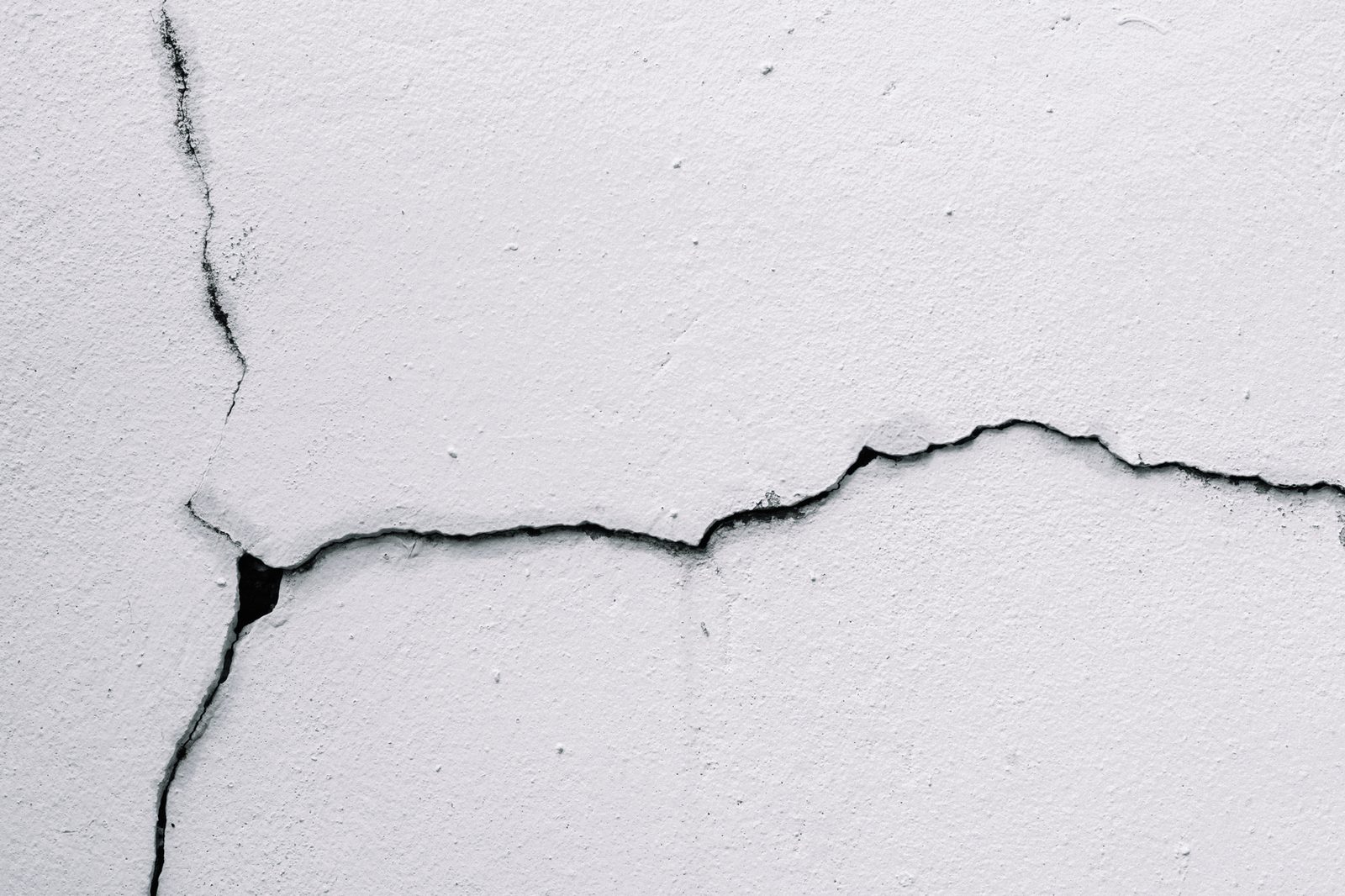
A slab may need piers when it has settled unevenly and the signs keep growing, not just when one small crack appears. Stair-step cracks in brick, sticking doors and sloped floors that get worse over time are common reasons homeowners call for a pier evaluation.
- Stair-step cracks in brick or mortar, often near corners
- Doors that stick, swing on their own or no longer latch
- Drywall cracks running from the corners of doors and windows
- Gaps between trim, cabinets or baseboards and the wall or floor
- Floors that feel sloped or tile that cracks in a line
If cracks are large, growing fast, or walls look out of line, ask for a qualified inspection or a structural engineer. Our guide to foundation warning signs covers more examples.
Do helical piers work in expansive clay soil?
Helical piers can work in expansive clay soil because the goal is to set the helix plates below the zone where the clay swells and shrinks the most. The upper soil may keep moving with the seasons, but the piers are meant to carry the house on firmer ground below it.
How deep that firmer ground sits changes from lot to lot. That is why the installer watches the turning force on each pier instead of guessing a depth ahead of time. Piers also do not stop the soil near the surface from moving. Good drainage, gutters that carry water away and attention to trees near the house still matter after pier work. See drainage correction and root barriers for more on that side of the job.
What are the trade-offs of helical piers?
The main trade-offs of helical piers are that they need suitable soil for the plates to bite into, and that they are one option among several, not an upgrade for every home. A provider should explain the downsides as clearly as the benefits.
- Soil fit: very rocky ground or buried debris can make it hard to turn a pier down.
- Scope: piers support the areas where they are placed. A house may need piers in more spots than you expect, or fewer.
- Lifting limits: not every slab can or should be lifted all the way back to level. Older cracks may stay visible.
- Other causes: plumbing leaks or poor drainage can cause movement that piers alone will not solve.
What happens during the visit?
A foundation visit starts with an inspection inside and outside the home. The provider looks at cracks, doors, windows and drainage, and usually takes floor elevation readings to map how the slab has moved. Then they explain what they found and which repair options fit your house.
- Inspection: a walk around the outside, a look at interior cracks and doors, and elevation measurements across the floor.
- Options explained: this may include helical piers, pressed concrete piers, drainage changes or monitoring, with the reasons for each.
- Written quote: you should get a written quote that lists the number and type of piers and the scope of work before anything starts.
Bring dated photos of cracks and notes on when doors began to stick. You can read more on the foundation inspection page.
Why do Pflugerville slabs settle enough to need piers?
Pflugerville sits in a part of Central Texas where the soil and the weather both push slabs to move. A few sourced facts explain why pier repair comes up so often here:
- Expansive clay: the Blackland Prairie stretches from north of Dallas south to San Antonio, and its Houston Black clays "shrink and swell markedly with changes in moisture content," according to a USDA NRCS sheet hosted by the Texas Water Development Board.
- A known building limit: USDA NRCS says the very high shrink-swell potential of Houston Black soils commonly is a limitation affecting building site development in the metro areas where they occur.
- Deep dry-season cracks: NRCS describes Houston Black soil cracking 1/2 to 4 inches wide at 12-inch depths during dry periods.
- Long, hot summers: Austin's record high is 112°F, and in 2011 Austin had 90 days of 100°F or higher, per the National Weather Service.
- Mostly slab homes: NAHB reports 97.9% of new single-family homes in the West South Central census division were built on slab foundations in 2024.
These patterns are not limited to one street. Homeowners in Pflugerville, Wells Branch, Hutto, Round Rock and Manor deal with the same clay and heat. Soil changes from lot to lot, so only an inspection can show what is happening under your home.
Related pages
Questions people ask
Is helical piers foundation repair a good option for my Pflugerville house?
Helical piers foundation repair can be a good option for a Pflugerville house that is fairly light, hard to reach, or settling at an addition or porch. Whether it fits depends on the inspection, floor readings and soil on your lot.
What exactly is a helical pier?
A helical pier is a steel shaft with one or more round, screw-like plates near the bottom. It is turned into the ground until it reaches firm soil, then bracketed to the foundation to help support it.
How is a helical pier different from a pressed concrete pier?
A helical pier is screwed into the soil, while a pressed concrete pier is pushed down in stacked sections using the weight of the house. Each holds the home in a different way, and a provider should explain which suits your slab.
Are helical piers better than steel push piers?
Not always. Helical piers do not need the weight of the house to install, so they often suit lighter structures, while push piers are usually used on heavier buildings. The right choice depends on your home and soil.
Can helical piers lift my foundation back to level?
Helical piers can often be used to lift settled areas back toward level, but not every slab can or should be raised all the way. A provider will explain how much lift is realistic for your Pflugerville home.
Do helical piers stop clay soil from moving?
No. Helical piers are meant to carry the house on firmer soil below the active clay layer, but the surface soil keeps shrinking and swelling with the seasons. Drainage and moisture control still matter.
How deep do helical piers go in Central Texas?
There is no single depth. The installer turns each helical pier down until the turning force shows it has reached soil firm enough to hold, and that depth varies from lot to lot around Pflugerville.
Why would a provider suggest helical piers for a porch or garage?
Porches, garages and additions are often lighter than the main house, so there may not be enough weight to press concrete piers deep. Helical piers can be installed without relying on that weight.
How many helical piers does a house usually need?
It depends on how much of the foundation has settled and where. A provider decides the number after taking floor elevation readings, and the written quote should list how many piers and where they go.
Is it worth getting a structural engineer before helical pier work?
It can be, especially when movement is severe, the house is being sold, or quotes disagree. An engineer's report gives an independent view of what the foundation needs before you choose a repair.
Does homeowners insurance cover helical pier foundation repair in Texas?
It depends on your policy. The Texas Department of Insurance lists damage to foundations or slabs as an optional endorsement, so check your own policy and keep records before you call.
What questions should I ask before agreeing to helical piers?
Ask why helical piers fit better than other pier types, how many are planned and where, whether lifting is part of the plan, and what drainage or plumbing issues should be handled too.
Should I fix drainage before or after pier repair?
Often both are part of one plan. Drainage problems can keep stressing the soil around a repaired slab, so ask the provider whether gutters, grading or root barriers should be handled with the pier work.
Are helical piers used for foundation repair in Hutto and Wells Branch too?
Yes, homes in Hutto, Wells Branch, Round Rock and Manor sit on similar Central Texas clay, so pier options there are much the same as in Pflugerville. Soil still varies lot by lot.
How do I get connected with a helical pier provider in Pflugerville?
Call the number on this page to be connected with a local foundation provider in Pflugerville who can inspect your home, explain whether helical piers fit and give a written quote.
Talk to someone about your foundation problem
Call to be connected with a local provider who can check availability for your address and explain the next step.