How to Repair a Cracked Foundation in Pflugerville
How to repair a cracked foundation in Pflugerville depends on the crack. A thin, stable hairline crack in a slab edge or garage floor can be cleaned and sealed by a careful homeowner. Wide, growing, stair-step or offset cracks point to movement, and that needs a qualified inspection, not a tube of sealant.
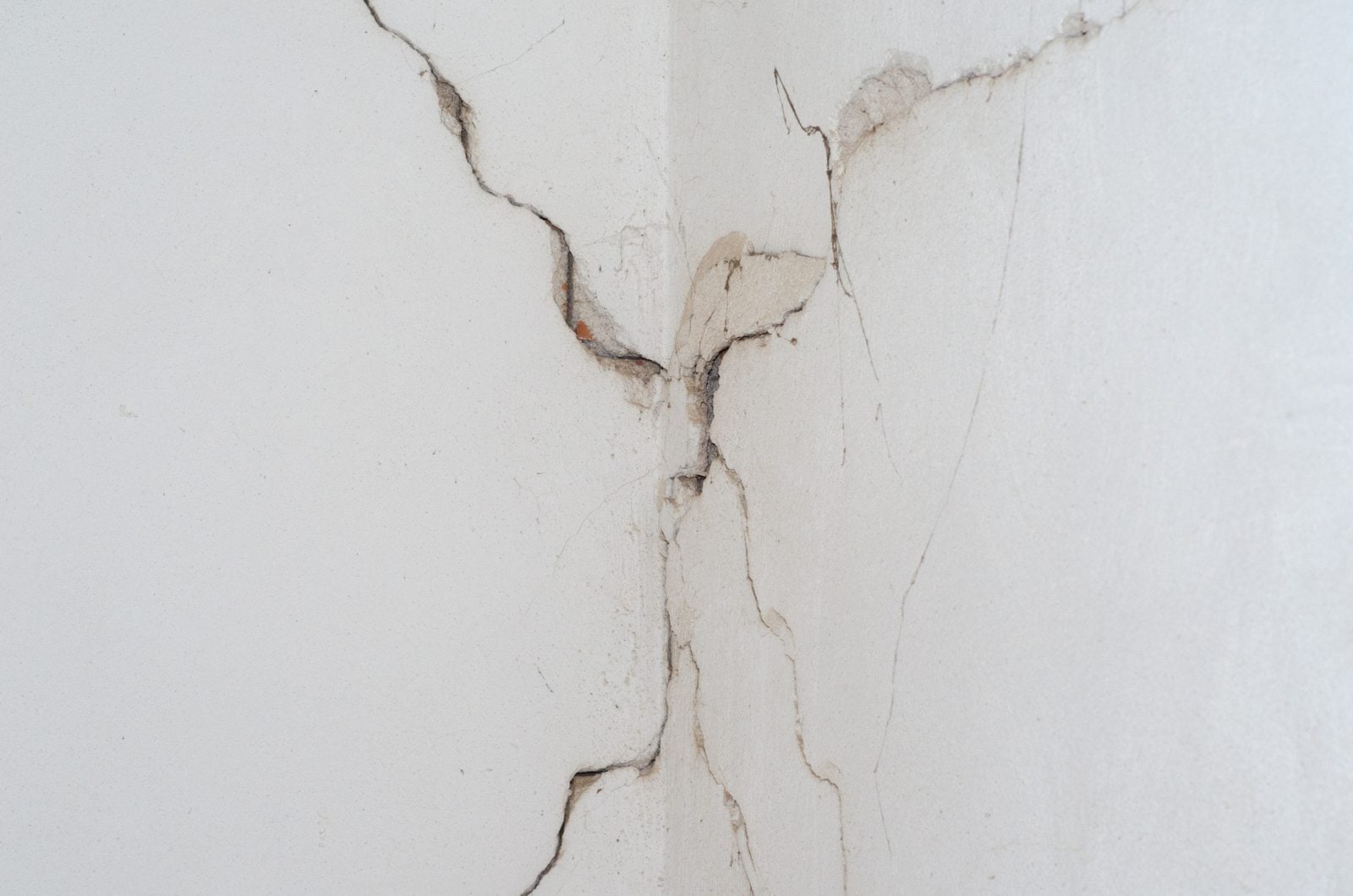
- Most structural foundation repair is not a DIY job. Sealing a crack covers it; it does not stop the soil or slab from moving.
- A homeowner can reasonably seal thin hairline cracks that are not growing, not offset and not leaking, after photographing and dating them.
- Wide, stair-step, horizontal or offset cracks, plus sticking doors and sloping floors, are signs to stop and call for an inspection or a structural engineer.
- Expansive Blackland Prairie clay, found in parts of the Austin area, shrinks and swells markedly with changes in moisture, so cracks here often open and close with the seasons.
- Call (512) 325-3481 to be connected with a local provider who can inspect, explain options and give a written quote before any work.
How to repair a cracked foundation: can you do it yourself?
You can repair some cracked foundations yourself, but only the small, cosmetic kind. A thin hairline crack that is stable can be sealed with a concrete crack filler. Anything that shows the foundation is moving, such as wide, growing or offset cracks, needs a professional inspection, because a sealant cannot lift or support a slab.
Sealing keeps out water and insects. It does not change the soil, level a slab or add support. If the ground keeps moving, a sealed crack will usually reopen. So the real first step is figuring out what kind of crack you have and whether it is still changing: photograph it beside a ruler, mark both ends with a dated pencil line, and check it every few weeks.
Which foundation cracks are safe to seal on your own?
The cracks that are reasonable to seal on your own are thin hairline cracks, about the thickness of a credit card or less, that run straight or slightly wavy, sit flat on both sides and have not grown over several weeks of watching. These are often shrinkage cracks that formed as the concrete cured.
- Good candidates: hairline cracks on the exposed edge of a slab, in a garage floor, or in a patio or porch slab that touches the house.
- Watch first: any crack you just noticed. Mark it and check it for a few weeks before sealing, so the sealant does not hide a change.
- Not candidates: cracks wider than a hairline, cracks where one side sits higher than the other, stair-step cracks in brick, horizontal cracks, and any crack with water coming through.
Not sure? That alone is a reason to have it looked at. The guide on which foundation cracks matter shows the common patterns.
How do you seal a hairline crack in a slab foundation?
To seal a hairline crack in a slab foundation, clean the crack, let it dry, and fill it with a flexible concrete crack sealant made for the job. Keep the repair neat so you can still see if the crack changes. The goal is to keep water out, not to bond the slab back together.
- Clean it: brush out dirt with a stiff brush or shop vacuum. Do not widen the crack with a chisel or grinder.
- Dry it: wait for a stretch of dry weather.
- Pick a flexible product: a polyurethane crack sealant can move a little with the slab. Rigid patch mixes tend to crack again.
- Apply and tool it: fill the crack, smooth it flush and wipe off extra so the line stays visible.
- Protect yourself: wear gloves and eye protection and follow the label for ventilation.
- Keep monitoring: check the sealed crack after long dry spells and heavy rain.
If the sealant splits again quickly, the slab is probably still moving.
Need help now? Call to be connected with a local provider in Pflugerville who can check availability for your address.
When is a cracked foundation not a DIY repair?
A cracked foundation is not a DIY repair when the crack is wide, growing, offset, horizontal or stair-stepped, or when it comes with other signs like sticking doors, gaps around windows, sloping floors or cracks in interior drywall. Those point to structural movement, and repairing that takes measurements, equipment and experience.
Structural repairs such as leveling with pressed concrete or steel piers, adjusting pier and beam supports, or correcting drainage involve jacks, excavation and careful elevation readings. Done wrong, lifting a house can crack walls, tile and plumbing.
There is also a safety point. Some slabs are post-tensioned, meaning steel cables inside the concrete are held under very high tension. If you are not certain what is inside your slab, do not drill, core or saw it.
When should you call a structural engineer about foundation cracks?
Call a structural engineer about foundation cracks when the signs are severe, when you want an independent opinion before major repair, or when you are buying or selling a home with foundation findings. An engineer evaluates the structure and writes a report; they do not sell the repair, which makes their opinion a useful check.
- Cracks that are clearly widening month to month.
- Large stair-step cracks in brick or a wall that bows.
- Floors with a noticeable slope or doors that will not close.
- Two repair proposals that disagree about what is wrong.
- A home sale inspection report that calls out the foundation.
No guide can say a specific foundation is safe; only an on-site evaluation can.
What causes foundation cracks to keep coming back?
Foundation cracks keep coming back when the cause underneath is still active. In clay soil, the usual drivers are moisture swings, poor drainage, plumbing leaks and tree roots drawing water from the soil near the slab. Until the cause is addressed, a sealed crack is a bandage.
- Moisture swings: clay shrinks in dry spells and swells after heavy rain, lifting and dropping parts of a slab unevenly.
- Drainage: downspouts that empty at the wall keep one side wetter than the rest.
- Leaks and trees: a slab leak can soften soil in one spot, while large trees can dry out soil under a corner.
The drainage correction and root barriers page explains how those fixes work alongside slab repair.
Should you seal the crack or wait for an inspection first?
If you are unsure, wait for an inspection first and seal afterward. Sealing before anyone sees a crack can hide its true width and pattern, which makes movement harder to judge. Dated photos and pencil marks help an inspector far more than a freshly filled crack.
The exception is a crack letting water or insects inside. A temporary seal is reasonable then, as long as you photograph and measure it first.
What happens during the visit?
During a foundation visit, the provider inspects the home inside and outside, checks cracks, doors, windows and drainage, and usually takes floor elevation readings to see how the slab has moved. Then they explain what they found and the options that fit, and give a written quote before any work starts.
- Inspection: a walk-around, a look at your cracks and photos, and elevation measurements.
- Options explained: monitoring, crack sealing, drainage changes, leveling or piers.
- Written quote: the scope of work listed item by item before anything begins.
The foundation crack repair page covers the professional options in more detail.
Why do foundations crack so often around Pflugerville?
Foundations crack often around Pflugerville because the area's clay soil and long, hot summers move slabs more than in many parts of the country. Watch a crack across the seasons before deciding on a repair. A few sourced facts explain why:
- Expansive clay: the Blackland Prairie runs from north of Dallas south to San Antonio, and its Houston Black clays "shrink and swell markedly with changes in moisture content," according to a USDA NRCS sheet hosted by the Texas Water Development Board.
- Soil cracks in dry spells: the NRCS official description of Houston Black soil reports cracks 1/2 to 4 inches wide at 12-inch depths during dry periods.
- Extreme heat: in 2011 Austin had 90 days of 100°F or higher, according to the National Weather Service.
- Mostly slab homes: NAHB reports that 97.9% of new single-family homes in the West South Central census division were built on slab foundations in 2024.
Homes in Pflugerville, Georgetown, Round Rock, Hutto and Wells Branch share these conditions, though soil still changes from lot to lot. Call (512) 325-3481 to be connected with a local provider who can look at your cracks in person.
Related pages
Questions people ask
Can you explain how to repair a cracked foundation in Pflugerville without making it worse?
Start by documenting the crack, not filling it. Photograph it with a ruler, mark the ends and watch it for a few weeks; only seal it yourself if it stays a thin, flat hairline, and call for an inspection if it grows or shows other signs.
Is it okay to just caulk a crack in my foundation?
For a thin, stable hairline crack, a flexible crack sealant is fine. If it reopens, the slab is moving and needs a professional look.
What is the difference between a cosmetic crack and a structural crack?
A cosmetic crack is thin, flat and stable, often from concrete shrinking as it cured. A structural crack tends to be wider, offset, growing or stair-stepped and usually comes with signs like sticking doors or sloping floors.
How wide does a foundation crack have to be before I worry?
Anything wider than a hairline deserves attention, and width matters less than change. A crack that is growing, has one side higher than the other or appears with other signs of movement should be inspected, whatever its size.
Can I use hydraulic cement or epoxy on my slab crack?
Not as a cure for a moving slab. On a slab edge or garage floor, a flexible sealant usually suits a hairline crack better, and structural epoxy injection is work for a provider.
Why does the crack in my garage floor keep reopening after I seal it?
Usually because the slab is still moving with the soil. Clay that shrinks and swells with moisture can reopen a sealed crack, so repeated reopening is a reason to have the foundation inspected.
Is it dangerous to drill into my foundation to fix a crack?
It can be. Some slabs are post-tensioned with steel cables under very high tension, so do not drill, saw or core into a slab unless a qualified provider has confirmed what is inside.
Do stair-step cracks in my brick mean I need foundation repair?
Stair-step cracks in brick often point to foundation movement and are not a DIY fix. Have them inspected, especially if doors stick or windows have new gaps nearby.
Can a cracked foundation be repaired without lifting the house?
Sometimes, yes. If the slab is stable, sealing and drainage changes may be enough; if it has settled or heaved, leveling with piers or adjusting supports is usually what the inspection recommends.
Should I fill foundation cracks before or after the summer in Central Texas?
Watch them through a dry spell and a wet spell first if you can. Clay soil in the Austin area moves with moisture, so seeing how a crack behaves across seasons tells you more than sealing it right away.
Do new houses in Pflugerville get foundation cracks too?
Yes, new homes can show hairline cracks as concrete cures. Many are cosmetic, but a crack that grows or comes with sticking doors should be checked.
Is a structural engineer or a foundation repair provider the right first call?
Either can be a reasonable first step. A provider inspection explains options and gives a written quote; an engineer gives an independent report, useful for severe signs or a home sale.
Can I sell my house in Round Rock or Pflugerville if I only sealed the foundation cracks?
You can, but buyers' inspectors may still flag the foundation. Many sellers get an inspection or engineer's report first so they can share clear information.
Does my insurance help with repairing a cracked foundation in Texas?
It depends on your policy. The Texas Department of Insurance lists damage to foundations or slabs as an optional endorsement, so check your own policy and document everything.
How do I get help repairing a cracked foundation in Pflugerville?
Call (512) 325-3481 to be connected with a local provider. They can inspect the cracks, explain your options and give a written quote before any work.
Talk to someone about your foundation problem
Call to be connected with a local provider who can check availability for your address and explain the next step.