How Much Is Foundation Repair in Pflugerville?
How much is foundation repair in Pflugerville? There is no single number, because the cost depends on your home: slab or pier and beam, how far it has moved, how many piers it needs, drainage and access. A written quote after an on-site inspection is the only reliable way to know.
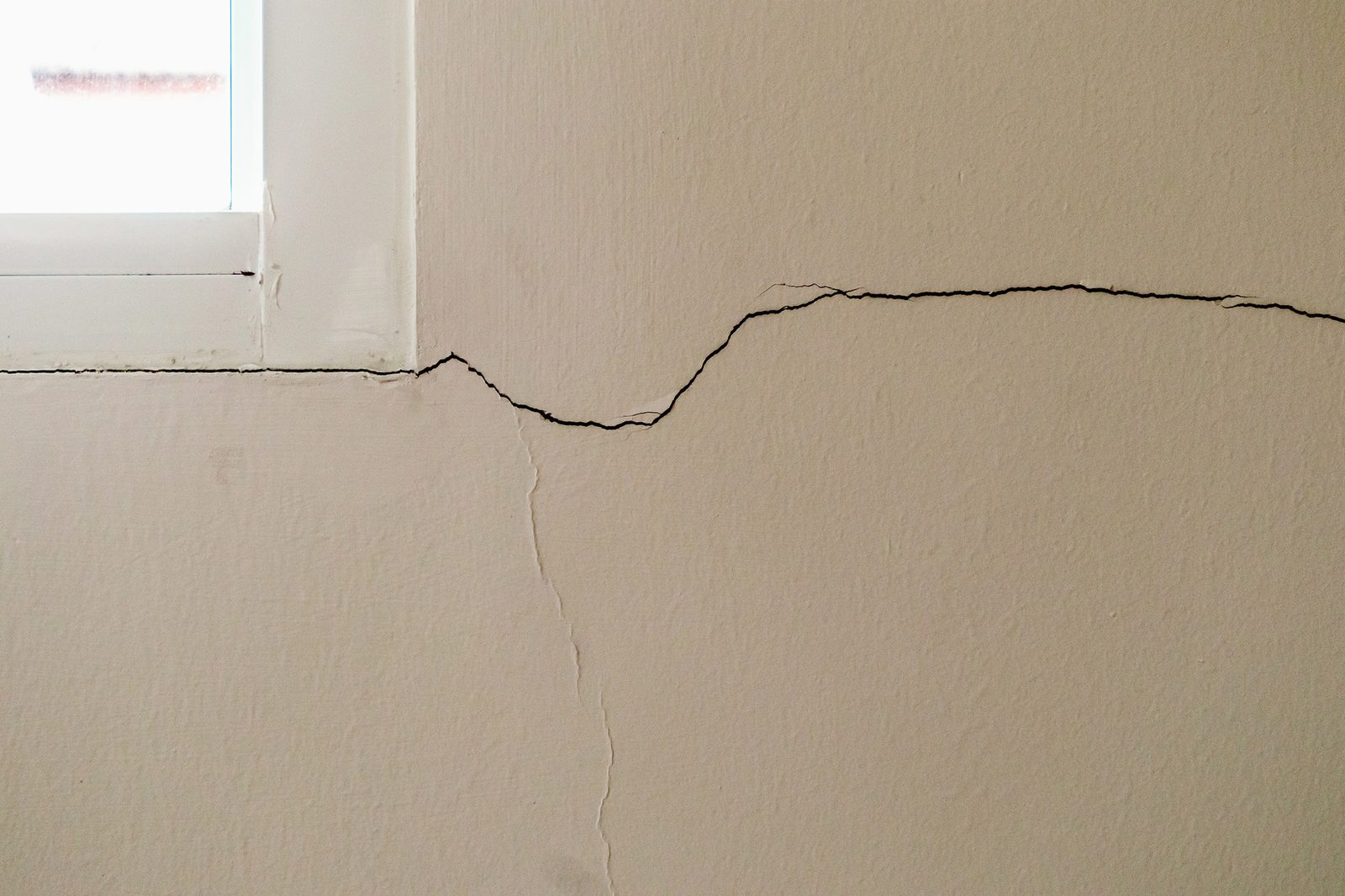
- Foundation repair cost in Pflugerville is set by the scope of work, not the size of the crack you see.
- The number of piers, the depth they must reach and access around the home are among the biggest cost drivers.
- Expansive Blackland Prairie clay, found in parts of the Austin area, shrinks and swells markedly with moisture, which is why movement and repair scope vary so much.
- The Texas Department of Insurance lists damage to foundations or slabs as an optional endorsement, so check your own policy.
- Call to be connected with a local provider who can inspect, explain options and give a written quote before any work.
How much is foundation repair in Pflugerville, really?
How much foundation repair costs in Pflugerville depends on what the inspection finds, so two homes on the same street can get very different quotes. A small crack sealed on one wall is a different job from leveling a whole slab with piers. The scope of work, not the crack itself, decides the cost.
That is frustrating when you just want a number. But a single figure from a website cannot see your soil, your slab or your drainage. What you can do is understand the factors that push a quote up or down, so you can read a written estimate with confidence and ask good questions. The rest of this guide walks through those factors one at a time.
What are the biggest factors in foundation repair cost?
The biggest factors in foundation repair cost are the type of foundation, how much and where it has moved, the repair method, and how many supports are needed. Access, drainage work, permits and any interior repairs after leveling can add to the total. A good quote lists each item.
- Foundation type: slab and pier and beam homes use different methods and materials.
- Amount of movement: a corner that dropped slightly needs less work than a slab that moved across several rooms.
- Repair method: crack sealing, shimming, pressed concrete piers and steel piers all differ in labor and materials.
- Number of piers: more settled area usually means more support points.
- Access: patios, driveways, landscaping and tight side yards can slow the work.
- Extra work: drainage correction, root barriers, plumbing tests or cosmetic repairs after leveling.
Does a slab or pier and beam home cost more to repair?
Neither type is always cheaper to repair. A slab home often needs piers driven along the outside edge or through the floor, while a pier and beam home may only need shims or new supports in the crawl space. The amount of movement and access matter more than the foundation type alone.
Most newer Pflugerville homes sit on slabs. For a slab, the provider usually works from outside, digging at set points around the home. If the settled area is in the middle of the house, they may need to go through interior floors, which adds steps. For pier and beam homes, crawl space height, wood rot and moisture under the house can change the scope. See slab foundation repair and pier and beam foundation repair for how each works.
Need help now? Call to be connected with a local provider in Pflugerville who can check availability for your address.
Why does the number of piers change the quote so much?
The number of piers changes the quote because each pier is its own unit of work: digging, driving or pressing the pier, setting the cap and lifting. More settled area usually means more piers. The depth the pier must reach before it finds firm support also affects the time and materials for each one.
Providers decide pier count from floor elevation readings, not from how bad a crack looks. A house with one dramatic crack may need fewer piers than one with many small signs spread across the slab. The type of pier also matters. Pressed concrete and steel piers differ in materials and in how deep they go. Our comparison of pressed concrete vs. steel piers explains the tradeoffs, and the foundation piers and underpinning page covers the process.
Can drainage and soil problems add to foundation repair cost?
Yes. If water pools against the slab or tree roots are drying the soil on one side, a provider may add drainage correction or a root barrier to the plan. That adds cost now, but it targets the cause of uneven soil movement rather than only the symptoms.
Common drainage items in a quote include:
- Regrading soil so it slopes away from the house
- Extending downspouts or adding underground drains
- Fixing low spots or flower beds that hold water against the foundation
- Root barriers between large trees and the slab
Drainage work does not replace leveling when a slab has already moved. It is usually part of a long-term plan. You can read more on drainage correction and root barriers.
What other costs can show up after foundation leveling?
After leveling, some homeowners need follow-up work that is separate from the foundation itself. Drywall cracks may need patching, doors may need adjusting, and tile or brick may need repair. A provider may also suggest a plumbing test, because a moving slab can stress pipes under the floor.
Ask the provider which of these items are in the quote and which are not. Some common extras:
- Plumbing tests before or after lifting
- Patching interior drywall and exterior brick or mortar
- Replacing concrete, landscaping or flatwork removed for access
- Engineering reports or permits, where required
- Follow-up elevation readings
Knowing these up front helps you compare quotes fairly and plan your budget without surprises.
Is it cheaper to fix a foundation now or wait?
Waiting can raise the cost if the movement is active, because more of the slab may settle and more cosmetic damage can build up. If the signs are minor and stable, monitoring for a while may be reasonable. An inspection tells you which situation you are in.
A practical approach is to take dated photos of cracks with a coin for scale, note which doors stick and when, and call for an inspection if anything grows or new signs appear. If cracks are large, growing fast, or walls look out of line, ask for a qualified inspection or a structural engineer right away. Our post on fixing the foundation now or later covers this decision in more depth, and foundation warning signs lists what to watch.
How can you compare foundation repair quotes fairly?
Compare foundation repair quotes by scope, not just the total. Check that each quote lists the method, the number and type of piers, where they go, any drainage work, and what is not included. Two quotes for different work are not really comparable, even if one looks lower.
- Ask to see the floor elevation readings behind the plan.
- Ask why they chose that pier type and that pier count.
- Ask what follow-up checks are included after the work.
- Ask who pulls any permits and whether an engineer is involved.
- Get every promise in writing before work begins.
If a quote seems very different from the others, ask the provider to walk you through it. A clear answer is a good sign.
What happens during the visit?
A foundation visit starts with an inspection inside and outside the home. The provider looks at cracks, doors, windows and drainage, and usually takes floor elevation readings to map how the slab has moved. Then they explain what they found, the options that fit, and give a written quote before any work.
- Inspection: a walk-around, a look at interior cracks and doors, and elevation measurements.
- Options explained: monitoring, drainage changes, leveling or piers, depending on the readings.
- Written quote: the scope of work, listed item by item, before anything starts.
Bring your photos and notes. They help show whether the movement is seasonal or ongoing. The foundation inspection page explains the visit in more detail.
Why do foundation repair costs vary so much around Pflugerville?
Foundation repair costs vary around Pflugerville because the soil and weather here make movement uneven from lot to lot, so the scope of work changes from house to house. A few sourced facts explain why:
- Expansive clay: the Blackland Prairie runs from north of Dallas south to San Antonio, and its Houston Black clays "shrink and swell markedly with changes in moisture content," according to a USDA NRCS sheet hosted by the Texas Water Development Board.
- Deep dry-season cracks: NRCS describes Houston Black soil cracking 1/2 to 4 inches wide at 12-inch depths during dry periods, which can leave slab edges with less support.
- Long, hot summers: in 2011 Austin had 90 days of 100°F or higher, per the National Weather Service.
- Mostly slab homes: NAHB reports 97.9% of new single-family homes in the West South Central census division were built on slab foundations in 2024.
These conditions are shared across Pflugerville, Hutto, Round Rock, Wells Branch and Manor. Soil still varies from lot to lot, so an inspection is the only way to see what your home needs. Call (512) 325-3481 to be connected with a local provider.
Related pages
Questions people ask
How much is foundation repair in Pflugerville?
It depends on your home. Foundation repair cost in Pflugerville is set by the foundation type, how much it moved, the repair method and the number of piers, so only a written quote after an inspection gives a reliable figure.
Why won't anyone give me a foundation repair price over the phone?
Because the cost depends on what is under and around your house. A provider needs floor elevation readings and a look at drainage and access before they can say what the job involves.
What makes foundation repair expensive?
The main drivers are the number of piers, how deep they must go, access around the home, and extra work like drainage correction or plumbing tests. Large areas of movement usually mean more work.
Is pier and beam foundation repair cheaper than slab repair?
Not always. Pier and beam repairs may only need shims or new supports, but crawl space access, wood rot and moisture can add work. Slab repairs depend mostly on pier count and access.
How many piers does a house usually need for foundation repair?
There is no typical number. Pier count comes from floor elevation readings and the size of the settled area, so a provider decides it after an inspection.
Are steel piers more expensive than pressed concrete piers?
They differ in materials and how deep they are installed, which affects cost. Ask the provider to explain why they recommend one type for your home and soil.
Does homeowners insurance cover foundation repair in Texas?
It depends on your policy. The Texas Department of Insurance lists damage to foundations or slabs as an optional endorsement, so check your policy and document everything before you file a claim.
Does a small crack mean my foundation repair will be cheap?
Not necessarily. Crack size alone does not set the cost. A small crack can come from broad slab movement, and a large crack can be cosmetic. Elevation readings show the real scope.
Will fixing my foundation cost more if I wait a year?
It can, if the movement is active. More settling can mean more piers and more cosmetic repairs later. If signs are minor and stable, monitoring may be reasonable until an inspection says otherwise.
What is usually not included in a foundation repair quote?
Common exclusions are drywall patching, brick or tile repair, replacing landscaping or concrete removed for access, and plumbing repairs. Ask the provider to list exclusions in writing.
Should I get more than one foundation repair quote in Pflugerville?
Many homeowners do. Comparing two or three written quotes helps you understand the scope, as long as you compare the method and pier count, not just the total.
Do I need a structural engineer before foundation repair?
Not always, but it is wise when signs are severe, such as large or fast-growing cracks or walls out of line. An engineer's report can also help when you are buying or selling a home.
Can drainage work lower the cost of foundation repair?
Drainage work adds to the quote now, but it targets the cause of uneven soil movement. It does not replace leveling if the slab has already settled.
Why do foundation repair quotes vary so much between companies?
Quotes often vary because providers propose different methods, pier types, pier counts or extras. Ask each one to explain their plan so you are comparing the same scope of work.
Does clay soil in Pflugerville make foundation repair cost more?
Expansive clay can make movement more uneven, which can affect the scope of work. Blackland Prairie clays found in parts of the Austin area shrink and swell markedly with moisture.
Do I have to fix my foundation before selling my house in Pflugerville?
Not always, but buyers and their inspectors will likely ask about it. An inspection and a written quote help you decide whether to repair first or disclose and negotiate.
Is foundation crack repair cheaper than foundation leveling?
Sealing a crack is usually a smaller job than leveling a slab, but sealing alone does not fix a slab that is still moving. An inspection shows which one your home needs.
What should I ask before I agree to a foundation repair quote?
Ask what the elevation readings show, why they chose that method and pier count, what is excluded, who handles permits, and what follow-up checks are included.
How do I get a foundation repair quote in Pflugerville?
Call (512) 325-3481 to be connected with a local foundation provider in Pflugerville who can inspect your home, explain options and give a written quote before any work.
Talk to someone about your foundation problem
Call to be connected with a local provider who can check availability for your address and explain the next step.